
塞尔维亚首例经导管使用Myval Octacor进行瓣中瓣植入术治疗生物人工主动脉瓣功能障碍
First Transcatheter Valve-in-Valve Implantation With Myval Octacor Into a Failed Biological Prosthetic Aortic Valve in Serbia.
作者信息
Jovanovic Valentina Balint, Farkic Mihajlo, Boljevic Darko, Bojic Milovan, Furtula Matija, Topic Dragan, Dobric Milan, Ielasi Alfonso, Zobenica Vladimir, Subotic Ida, Nikolic Aleksandra
机构信息
Dedinje Cardiovascular Institute, Belgrade, Serbia.
School of Medicine, University of Banja Luka, Banja Luka, Bosnia and Herzegovina.
出版信息
Cardiol Res. 2025 Feb;16(1):72-79. doi: 10.14740/cr1751. Epub 2025 Jan 4.
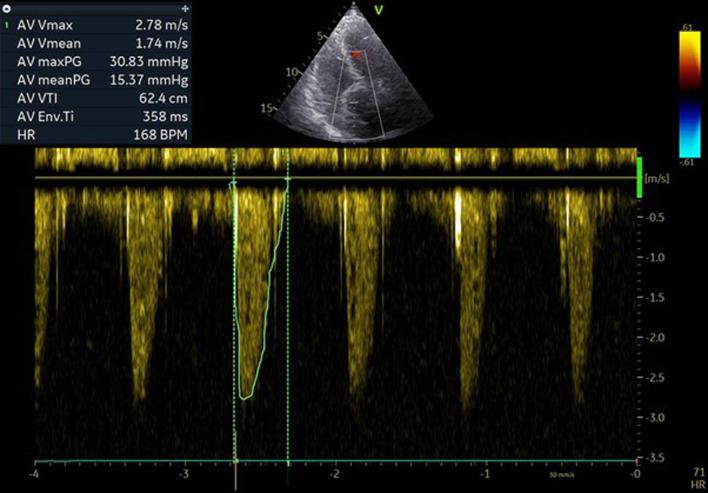
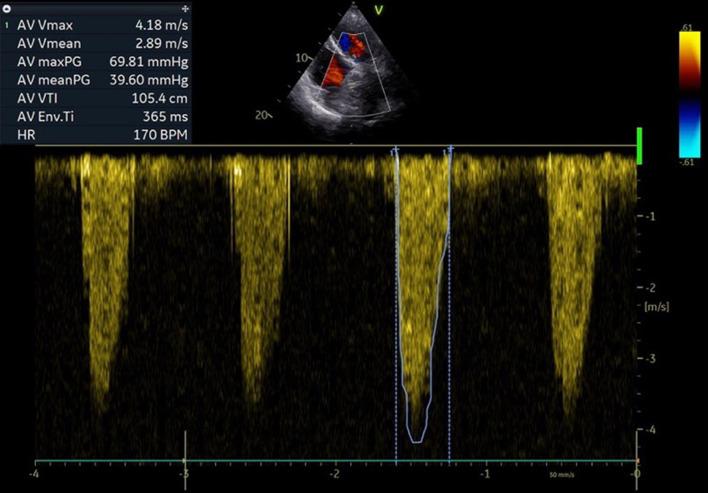
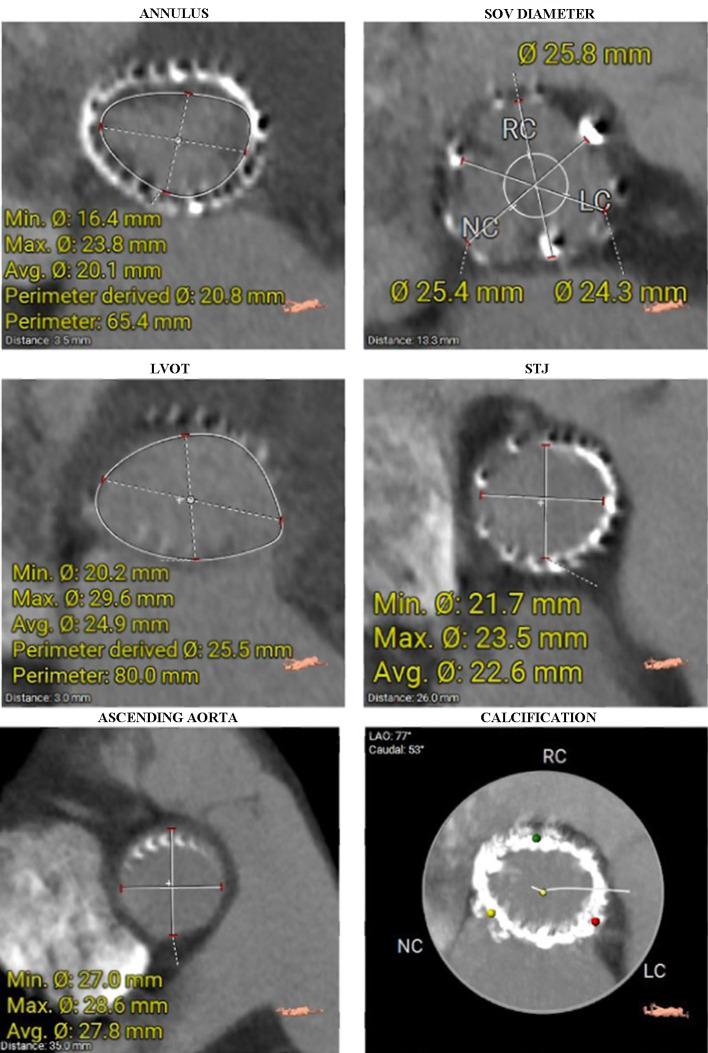
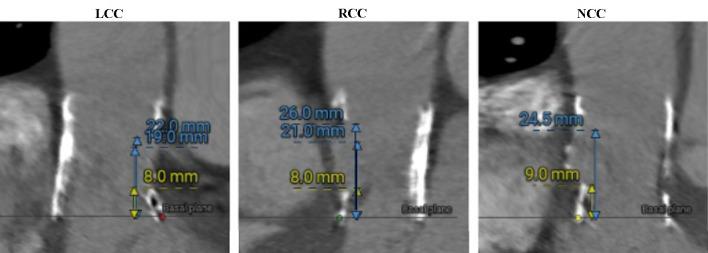
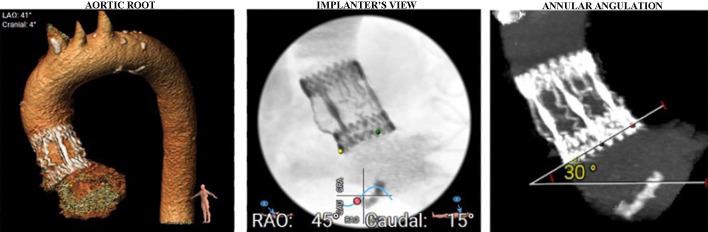
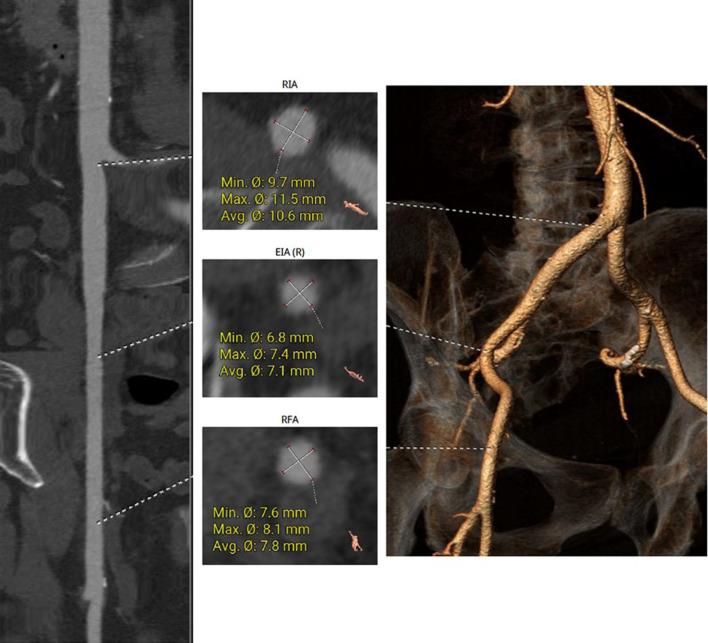
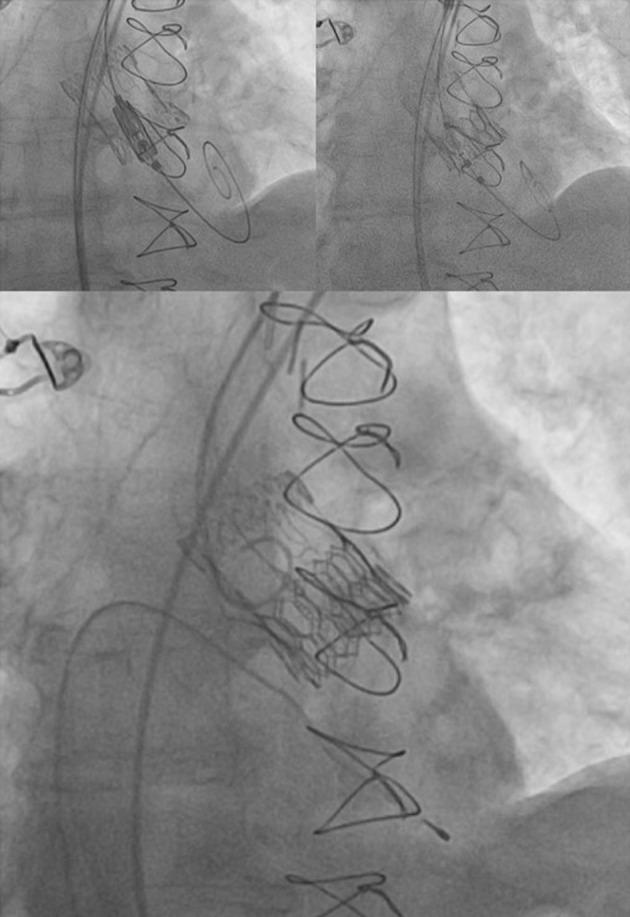
The natural progression of bioprosthetic valve degeneration over time requires further interventions for those experiencing symptomatic prosthesis dysfunction. Transcatheter aortic valve replacement (TAVR) emerges as a promising therapeutic option to alleviate symptoms in such patients. The valve-in-valve (ViV) technique eliminates the necessity for repetitive open-heart surgical procedures, offering particular advantages for individuals with higher surgical risks. In this report, we describe the case of a 78-year-old female patient presenting with severe symptomatic aortic restenosis of a biological aortic valve implanted 5 years prior. Given the patient's high surgical risk, a transcatheter ViV implantation was chosen as the treatment approach. Utilizing a balloon-expandable valve, the intervention resulted in the successful implantation of a functional TAVR, resulting in symptom relief and enabling a fast discharge from the hospital.
随着时间的推移,生物瓣膜退变的自然进程需要对出现症状性假体功能障碍的患者进行进一步干预。经导管主动脉瓣置换术(TAVR)成为缓解此类患者症状的一种有前景的治疗选择。瓣中瓣(ViV)技术消除了重复进行心脏直视手术的必要性,对于手术风险较高的个体具有特别的优势。在本报告中,我们描述了一例78岁女性患者的病例,该患者在5年前植入的生物主动脉瓣出现严重症状性主动脉瓣再狭窄。鉴于患者手术风险高,选择经导管ViV植入作为治疗方法。使用球囊扩张瓣膜进行干预,成功植入了功能性TAVR,症状得到缓解,患者得以快速出院。
 Zotero 插件