
单细胞测序为海龙科鱼类进化适应的发育遗传基础提供了线索。
Single-cell sequencing provides clues about the developmental genetic basis of evolutionary adaptations in syngnathid fishes.
作者信息
Healey Hope M, Penn Hayden B, Small Clayton M, Bassham Susan, Goyal Vithika, Woods Micah A, Cresko William A
机构信息
Institute of Ecology and Evolution, University of Oregon, Eugene, United States.
Knight Campus for Accelerating Scientific Impact, University of Oregon, Eugene, United States.
出版信息
Elife. 2025 Feb 3;13:RP97764. doi: 10.7554/eLife.97764.
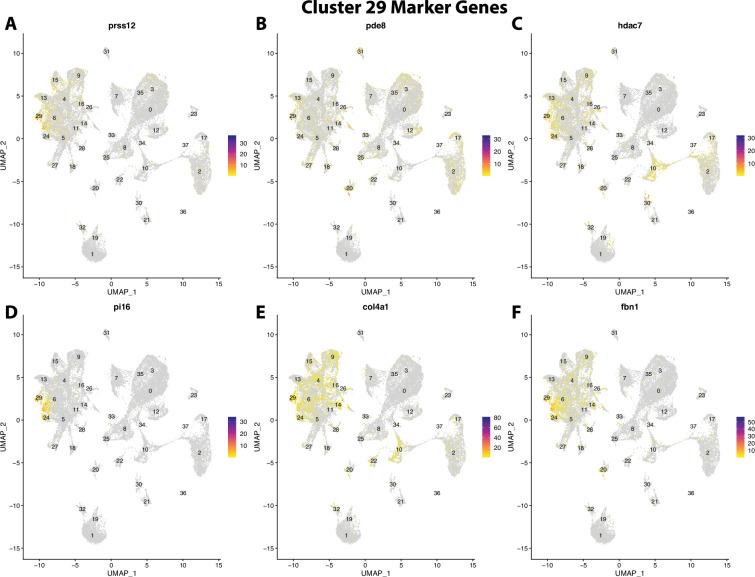
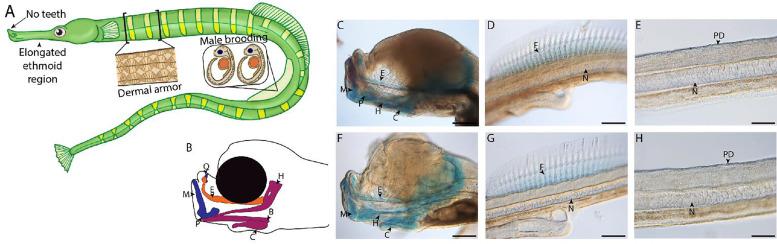
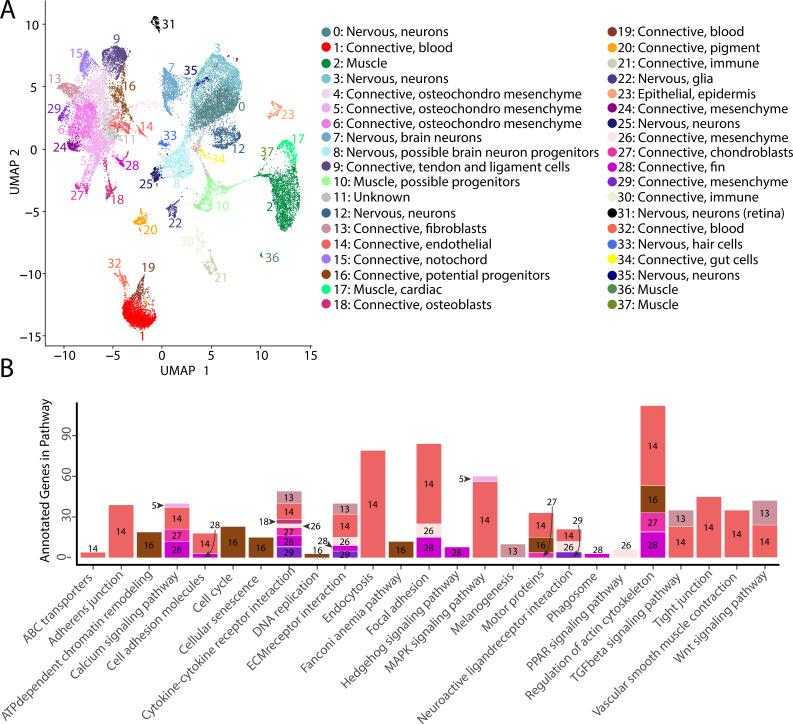
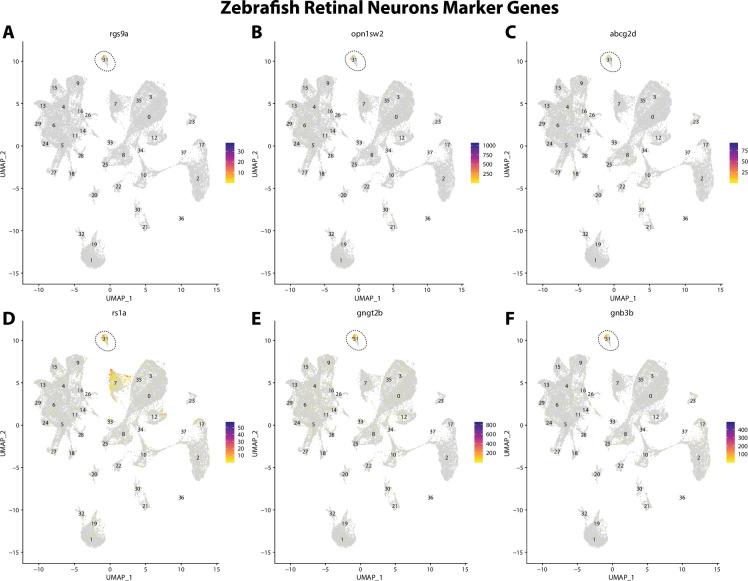
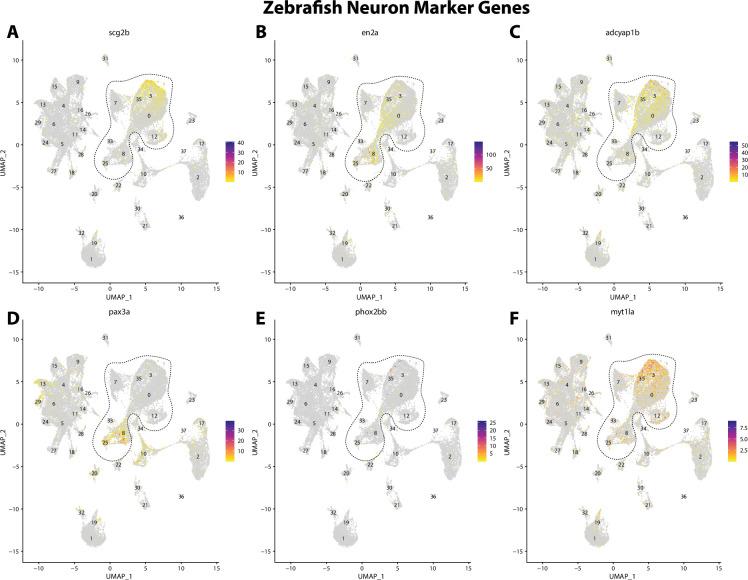
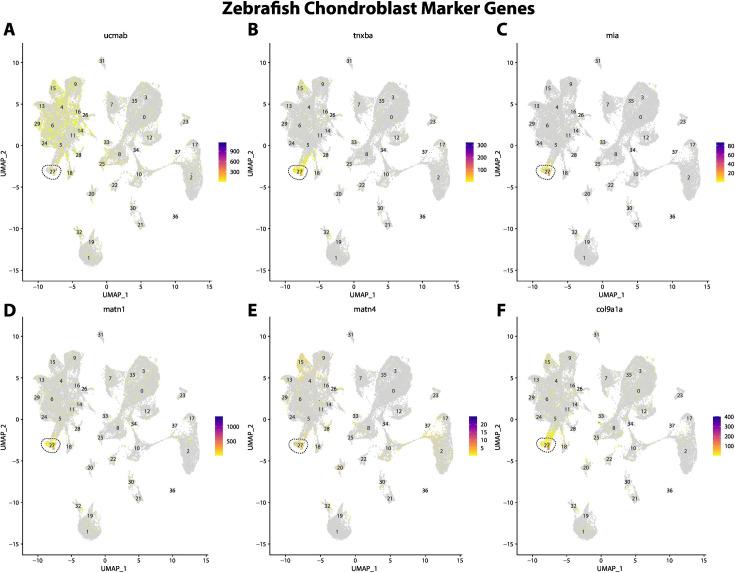
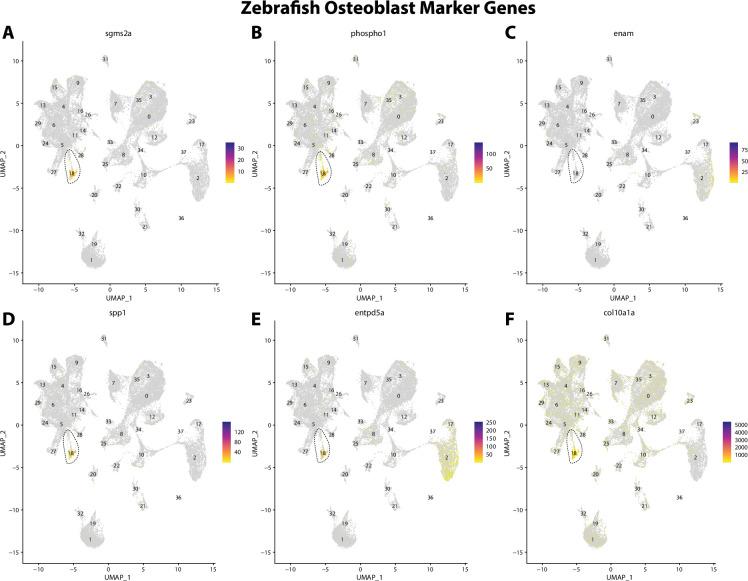
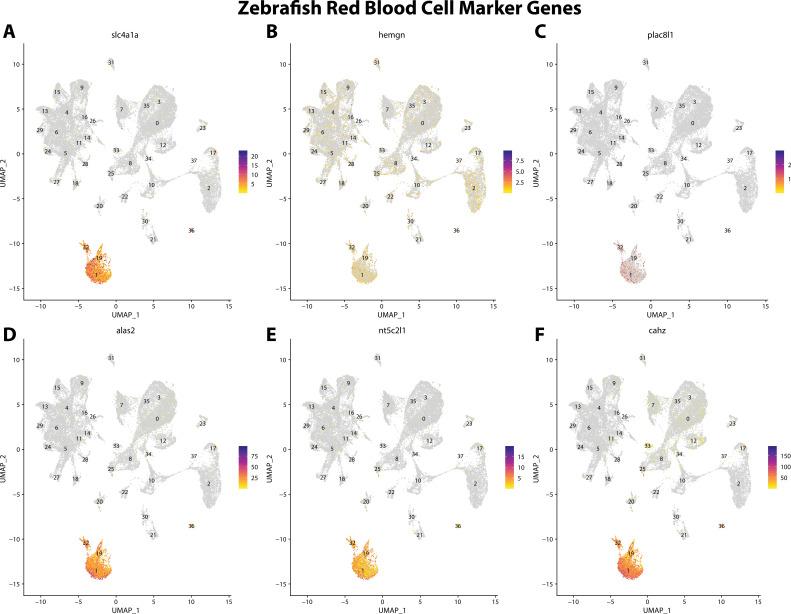
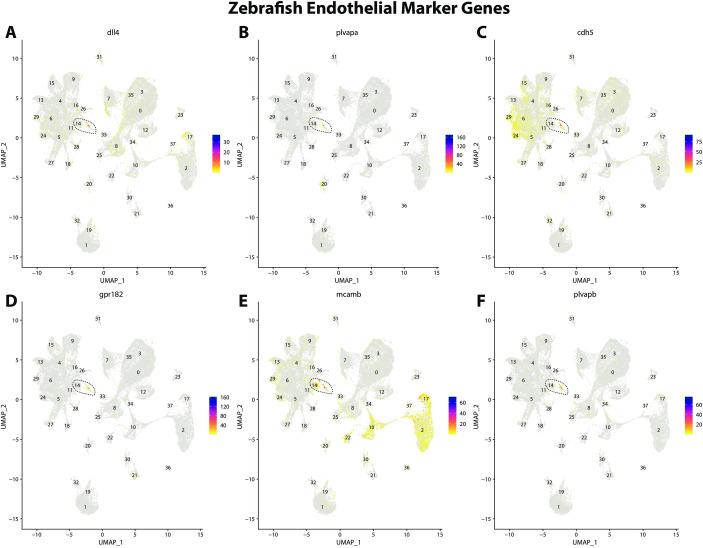
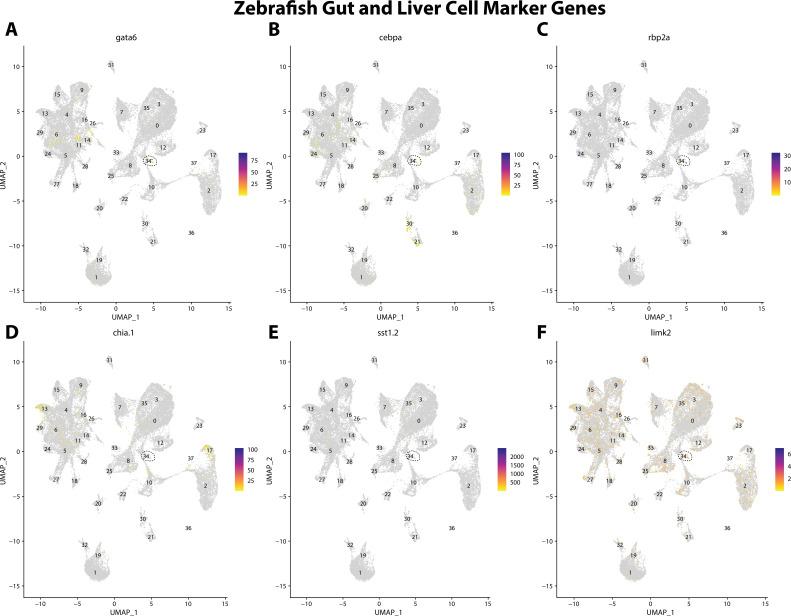
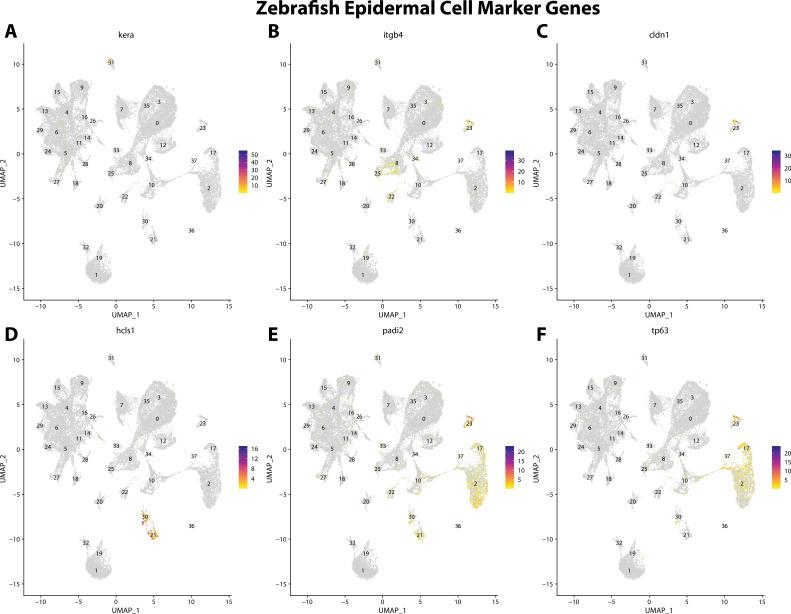
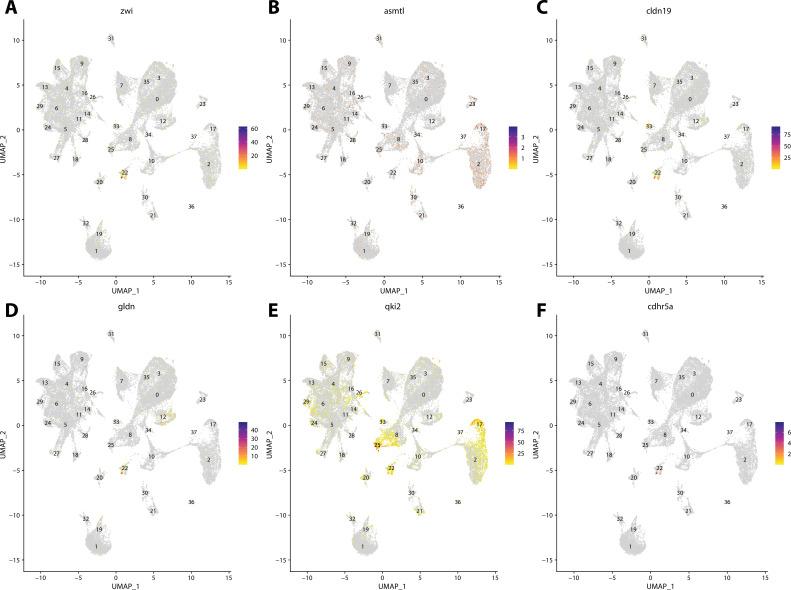
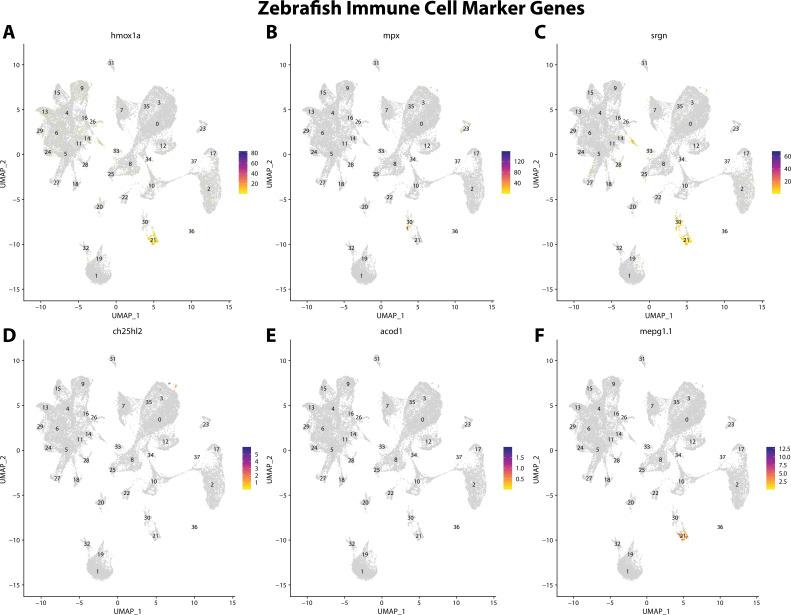
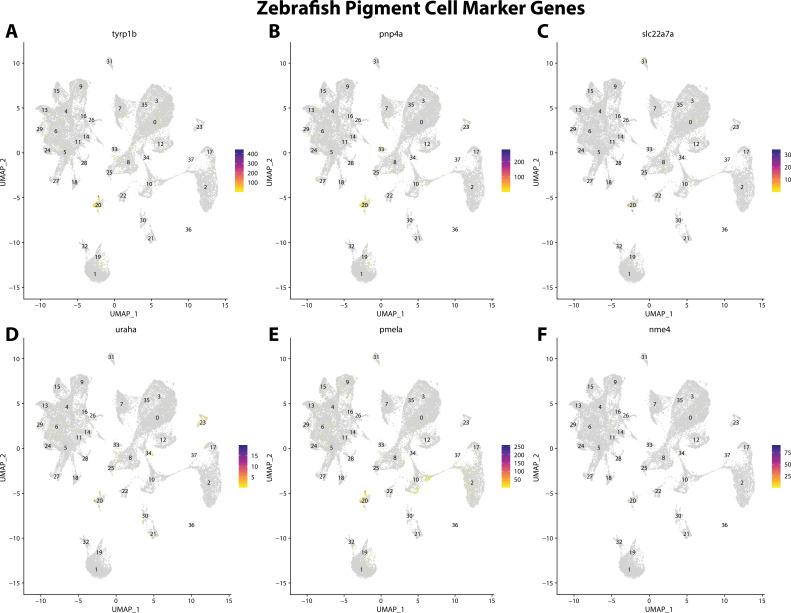
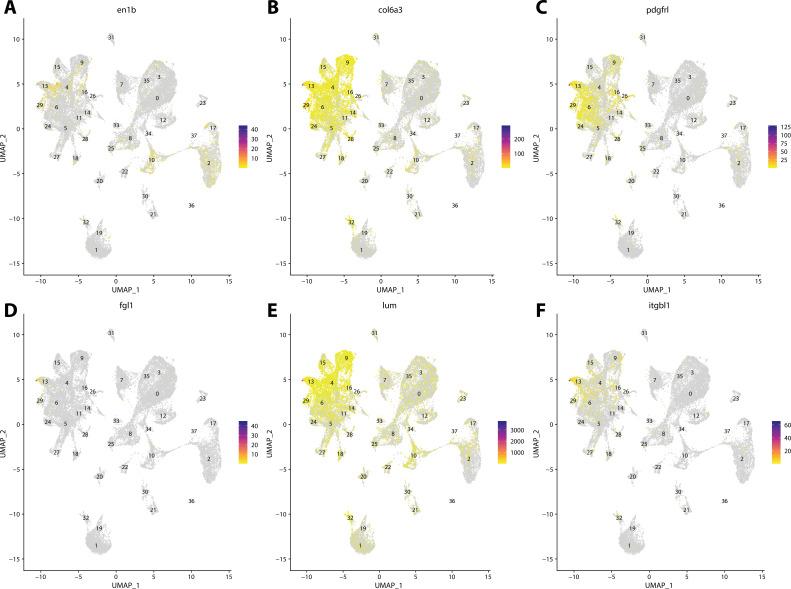
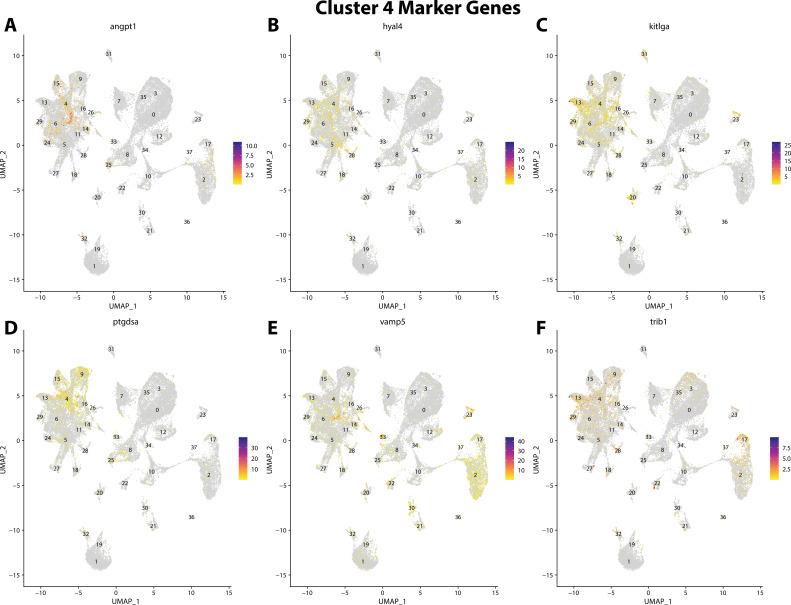
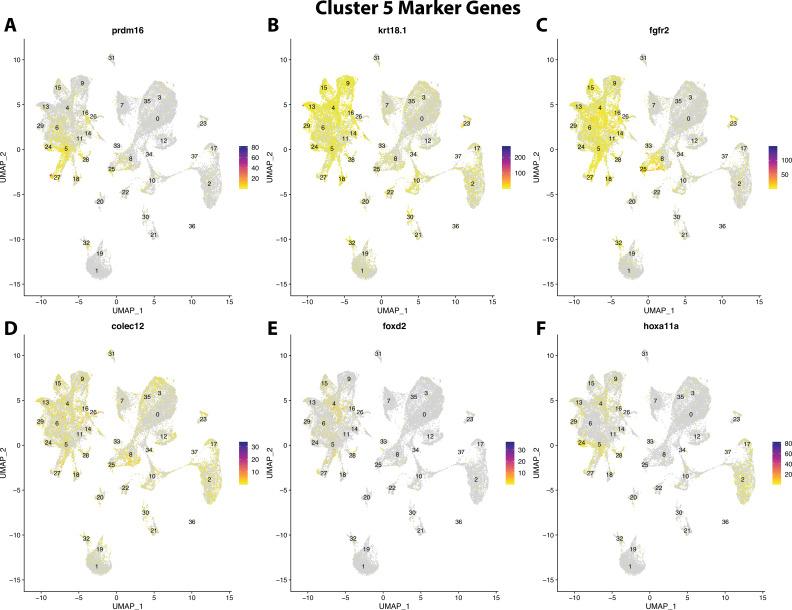
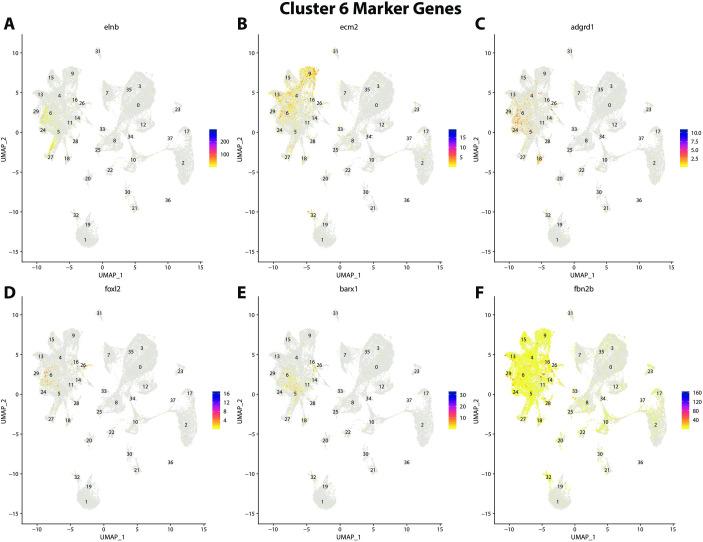
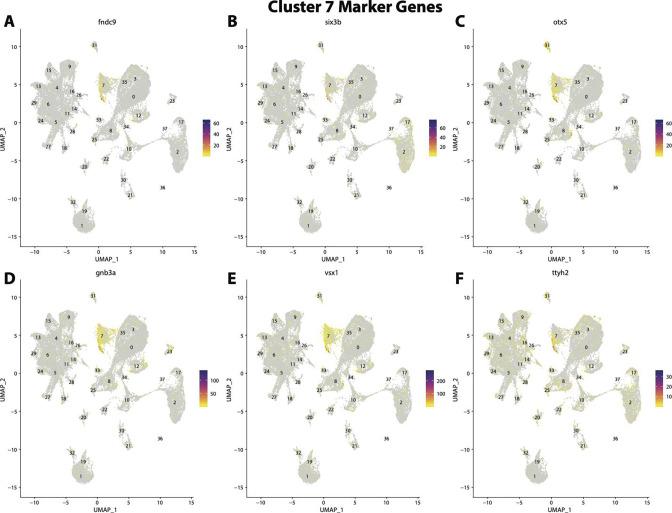
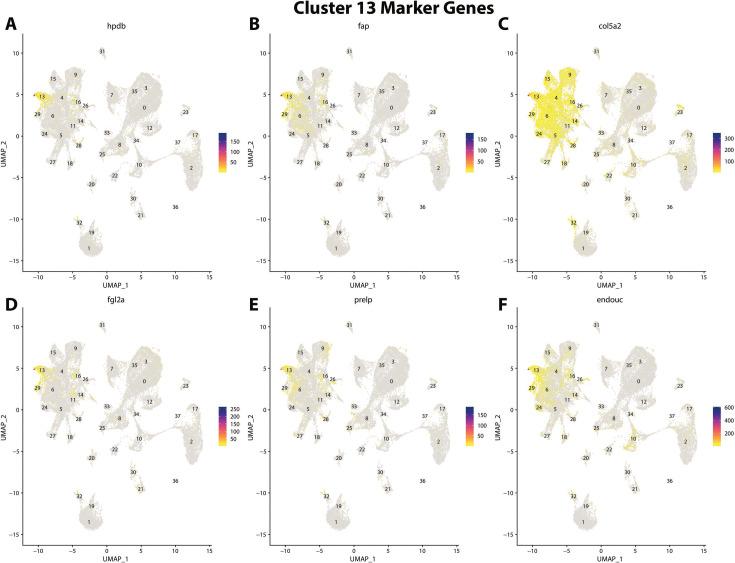
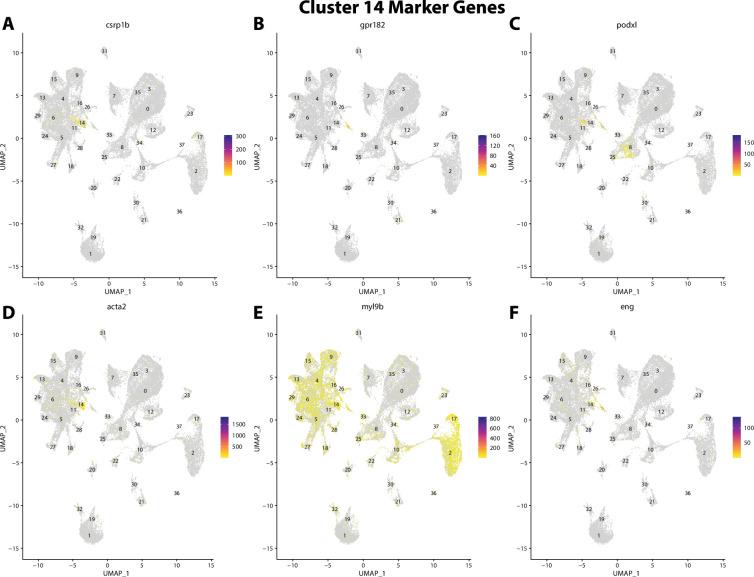
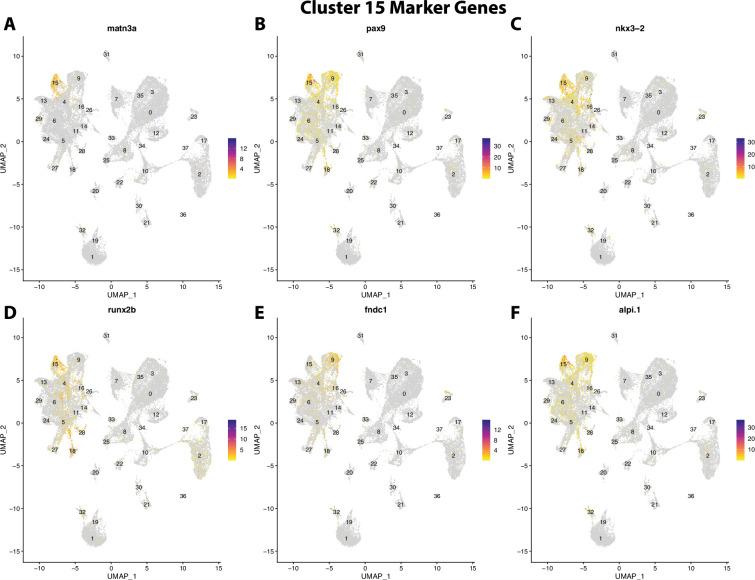
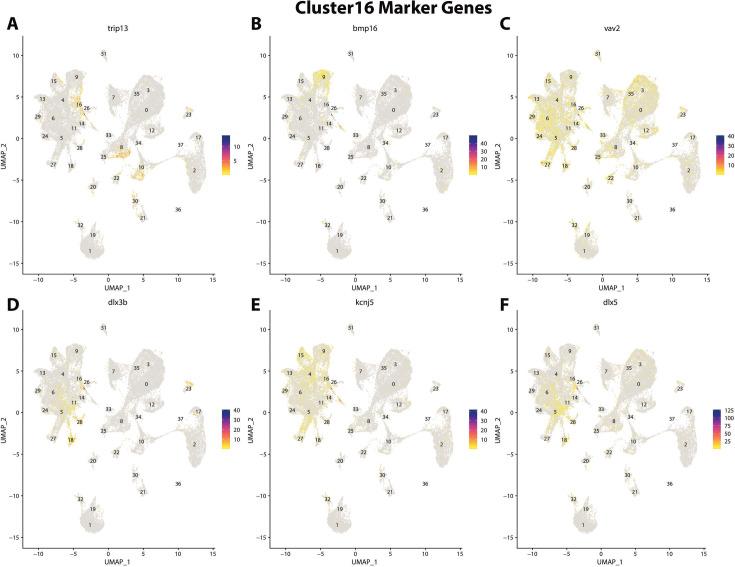
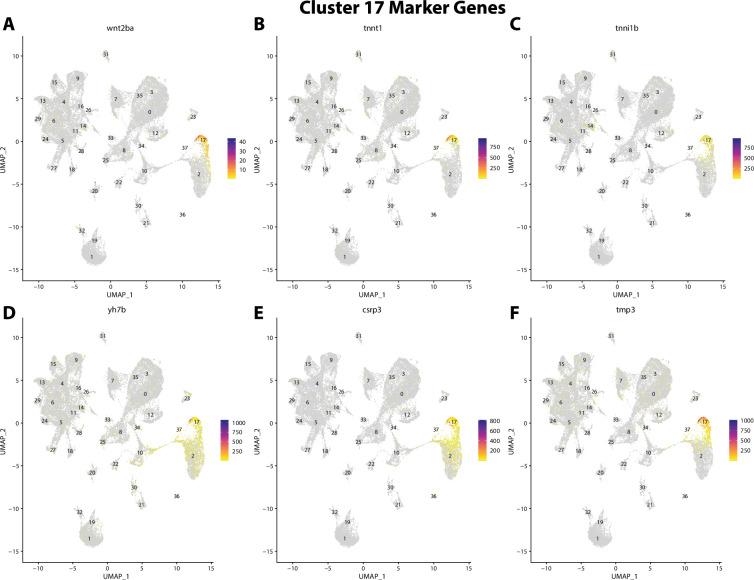
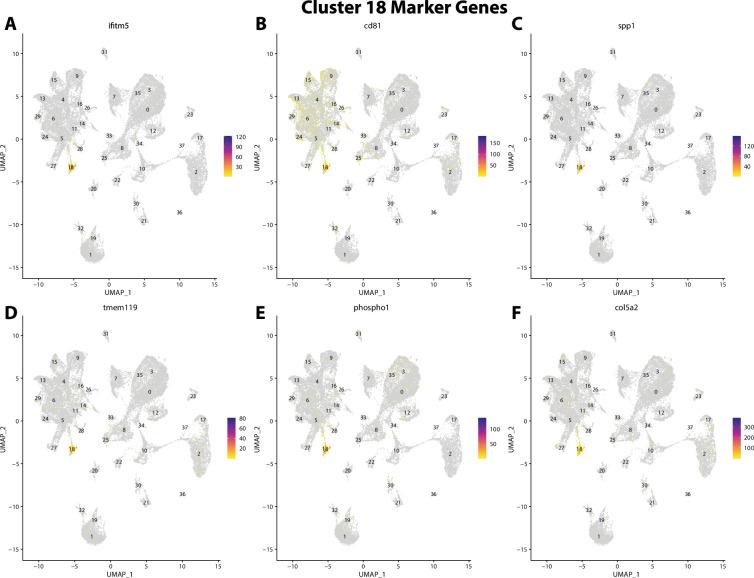
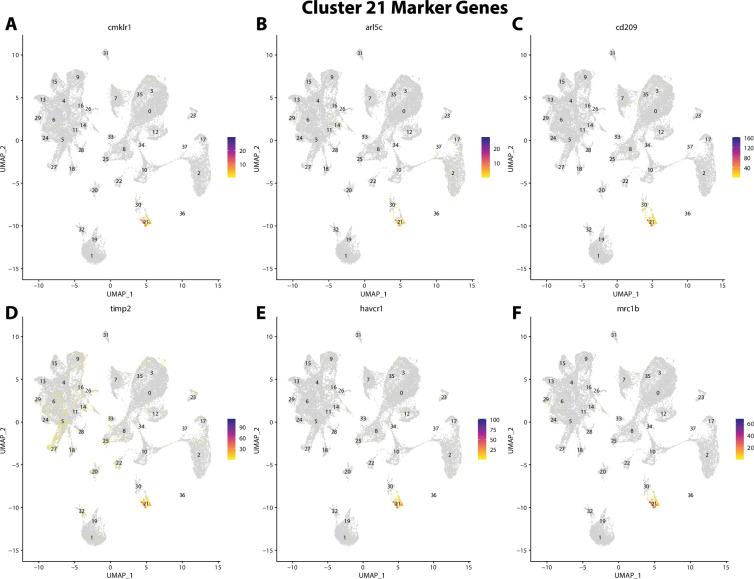
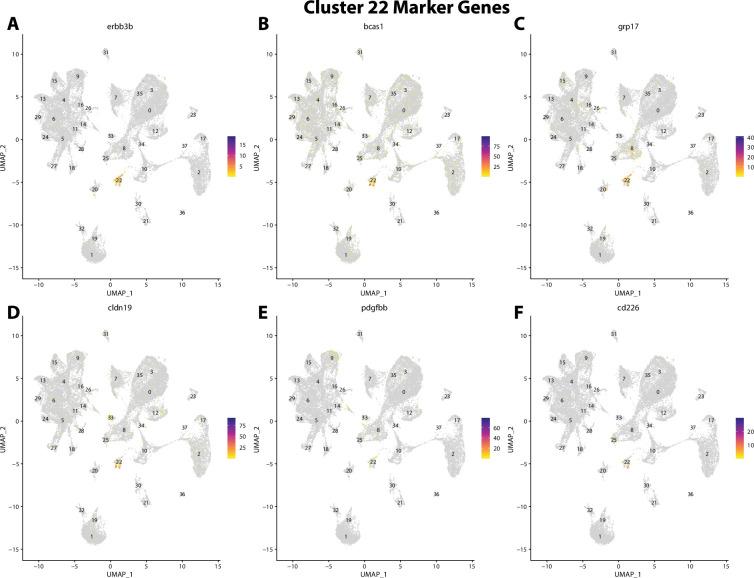
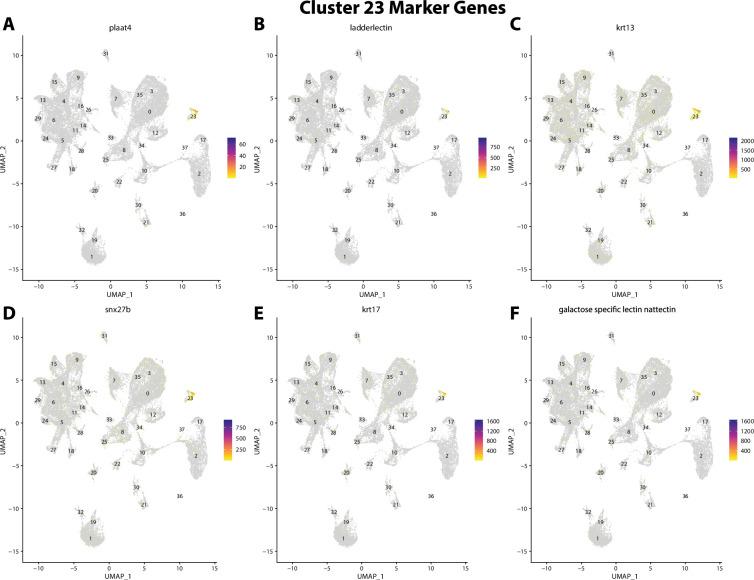
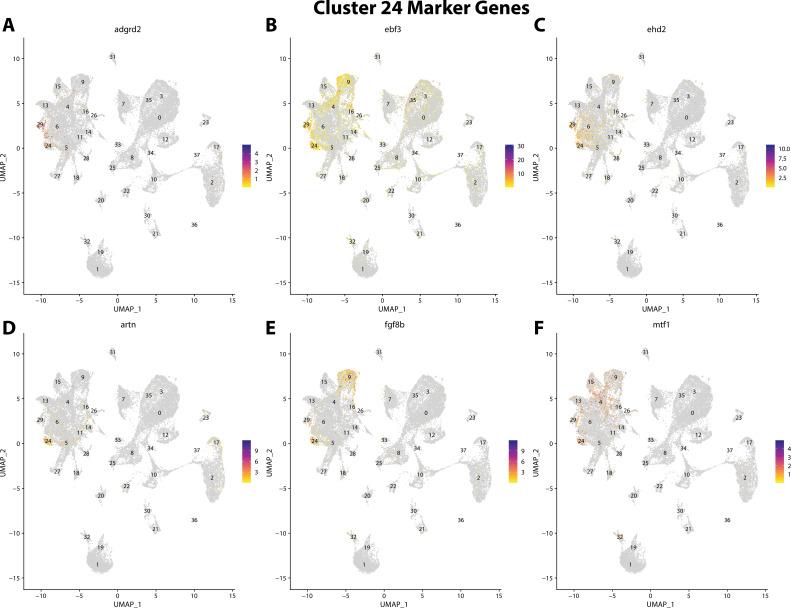
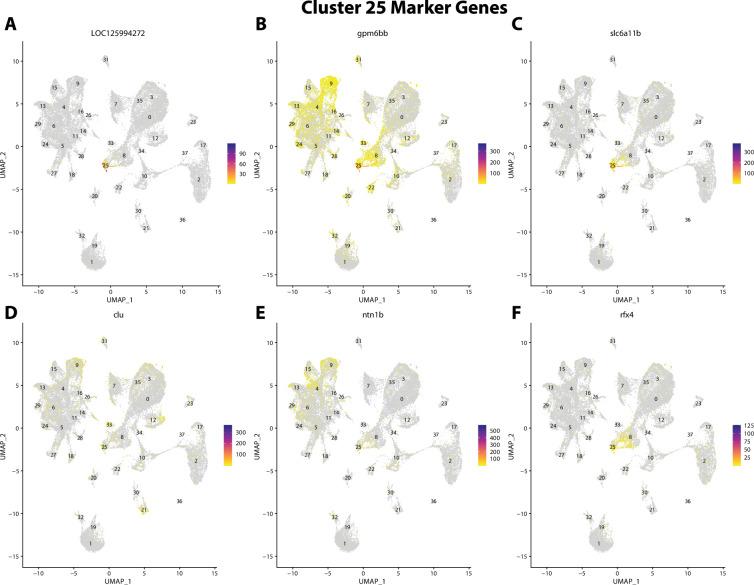
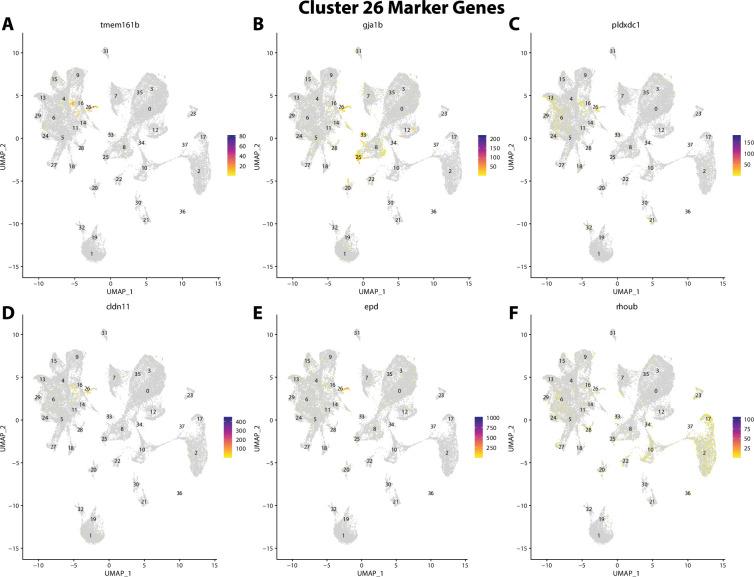
Seahorses, pipefishes, and seadragons are fishes from the family Syngnathidae that have evolved extraordinary traits including male pregnancy, elongated snouts, loss of teeth, and dermal bony armor. The developmental genetic and cellular changes that led to the evolution of these traits are largely unknown. Recent syngnathid genome assemblies revealed suggestive gene content differences and provided the opportunity for detailed genetic analyses. We created a single-cell RNA sequencing atlas of Gulf pipefish embryos to understand the developmental basis of four traits: derived head shape, toothlessness, dermal armor, and male pregnancy. We completed marker gene analyses, built genetic networks, and examined the spatial expression of select genes. We identified osteochondrogenic mesenchymal cells in the elongating face that express regulatory genes , and . We found no evidence for tooth primordia cells, and we observed re-deployment of osteoblast genetic networks in developing dermal armor. Finally, we found that epidermal cells expressed nutrient processing and environmental sensing genes, potentially relevant for the brooding environment. The examined pipefish evolutionary innovations are composed of recognizable cell types, suggesting that derived features originate from changes within existing gene networks. Future work addressing syngnathid gene networks across multiple stages and species is essential for understanding how the novelties of these fish evolved.
海马、管口鱼和叶形海龙是海龙科鱼类,它们进化出了非凡的特征,包括雄性怀孕、长吻、无齿和真皮骨质甲胄。导致这些特征进化的发育遗传和细胞变化在很大程度上尚不清楚。最近的海龙科基因组组装揭示了暗示性的基因含量差异,并为详细的遗传分析提供了机会。我们创建了海湾管口鱼胚胎的单细胞RNA测序图谱,以了解四个特征的发育基础:特化的头部形状、无齿、真皮甲胄和雄性怀孕。我们完成了标记基因分析,构建了遗传网络,并检查了选定基因的空间表达。我们在伸长的面部中鉴定出表达调控基因 和 的成骨软骨间充质细胞。我们没有发现牙原基细胞的证据,并且我们观察到在发育中的真皮甲胄中骨成细胞遗传网络的重新部署。最后,我们发现表皮细胞表达营养处理和环境感知基因,这可能与育幼环境相关。所研究的管口鱼进化创新由可识别的细胞类型组成,这表明衍生特征源自现有基因网络内的变化。未来针对多个阶段和物种的海龙科基因网络的研究对于理解这些鱼类的新特征是如何进化的至关重要。
 Zotero 插件