Inbar Ehud, Samantray Ishaan, Alford Robert T, Harrell Robert A, Jennings Grace, Pascini Tales V, Wai Tint T, Eappen Abraham, Hoffman Stephen L, Billingsley Peter F
Sanaria Inc.
University of Maryland.
Res Sq. 2025 Apr 16:rs.3.rs-6270709. doi: 10.21203/rs.3.rs-6270709/v1.
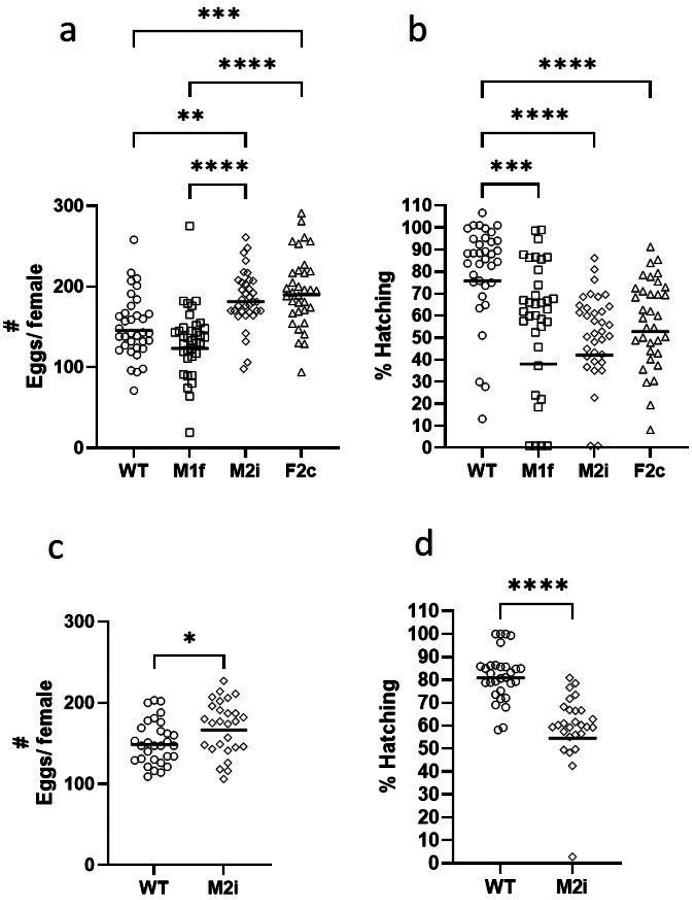
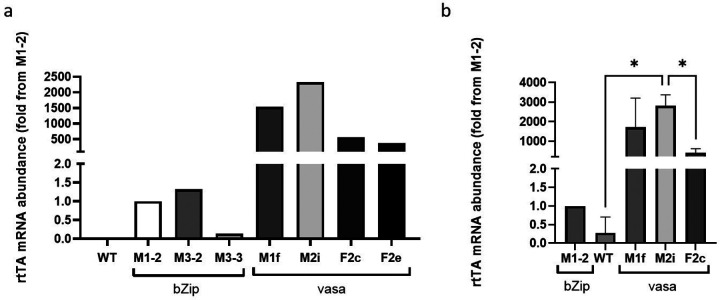
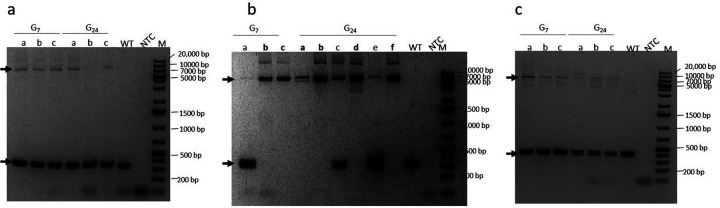
Sanaria has pioneered production of aseptic, purified, vialed cryopreserved (Pf) sporozoites (SPZ) as vaccines and for controlled human malaria infections. More than 3,500 individuals have received more than 9,700 injections of PfSPZ, worldwide. The PfSPZ are manufactured in aseptically reared female mosquitoes. Since PfSPZ vaccines are intended primarily for some of the most disadvantaged people in the world, keeping costs low is imperative. One approach to reducing cost of goods is to eliminate male mosquitoes from the production process, thereby doubling the numbers of PfSPZ-producing mosquitoes per unit space. We intend to do this by creating with a male-lethal allele controlled by the tetracycline conditional gene expression system. Herein, we report the first step in this process, the creation of a driver line that expresses the reverse tetracycline transactivator (rtTA). After sub-optimal results using the bZip early embryonic promoter, we produced 3 mosquito driver lines that expressed rtTA from 3 different genomic loci under the early embryonic vasa promoter. Expressing the rtTA under the vasa promoter significantly increased rtTA mRNA levels compared to its level under bZip. We were unable to achieve homozygosity in two of these lines even after 26 generations. In the third line, the insertion was in an intron of a putative juvenile hormone diol kinase gene. Homozygosity was reached in this line after passage through 7 generations, indicating that the inserted vasa-rtTA nucleotides did not interfere with the function of an essential genomic locus. rtTA mRNA expression levels were higher than in the other two lines, supporting the hypothesis that failure to achieve homozygosity was not due to rtTA expression but to insertion position. The homozygous line produced ~ 18% more eggs per female and a hatching rate of larvae from eggs was 39% lower than of wild-type . The next step will be to cross the driver line with an effector line containing a male-linked lethal gene regulated by the tetracycline responsive element (TRE).
Sanaria公司率先生产了无菌、纯化、瓶装冷冻保存的(Pf)子孢子(SPZ)作为疫苗,并用于可控的人类疟疾感染研究。在全球范围内,已有超过3500人接受了超过9700次PfSPZ注射。PfSPZ是在无菌饲养的雌性蚊子中生产的。由于PfSPZ疫苗主要面向世界上一些最贫困的人群,因此保持低成本至关重要。降低产品成本的一种方法是在生产过程中消除雄蚊,从而使每单位空间中产生PfSPZ的蚊子数量增加一倍。我们打算通过利用四环素条件基因表达系统控制的雄性致死等位基因来实现这一目标。在此,我们报告了这一过程的第一步,即创建一个表达反向四环素反式激活因子(rtTA)的驱动品系。在使用bZip早期胚胎启动子获得次优结果后,我们构建了3个蚊子驱动品系,它们在早期胚胎vasa启动子的控制下从3个不同的基因组位点表达rtTA。与在bZip启动子下相比,在vasa启动子下表达rtTA显著提高了rtTA mRNA水平。即使经过26代,我们仍无法在其中两个品系中实现纯合。在第三个品系中,插入发生在一个假定的保幼激素二醇激酶基因的内含子中。经过7代传代后,该品系达到了纯合,这表明插入的vasa-rtTA核苷酸并未干扰必需基因组位点的功能。rtTA mRNA表达水平高于其他两个品系,这支持了未能实现纯合不是由于rtTA表达而是由于插入位置的假设。该纯合品系每只雌蚊产卵量比野生型多约18%,但卵孵化出幼虫的比率比野生型低39%。下一步将是使驱动品系与一个效应品系杂交,该效应品系含有一个由四环素反应元件(TRE)调控的雄性连锁致死基因。