Wu Yong, Tu Guihui, Yuan Yuxia, Liu Jingwen, Jiang Qingna, Liu Yang, Wu Qiurong, Wu Lixian, Chen Yuanzhong
Fujian Provincial Key Laboratory on Hematology, Fujian Institute of Hematology, Fujian Medical University (FMU), Union Hospital, Fuzhou 350122, China.
Department of Pharmacology, School of Pharmacy, Fujian Medical University (FMU), Fuzhou 350122, China.
Pharmaceutics. 2025 Apr 24;17(5):557. doi: 10.3390/pharmaceutics17050557.
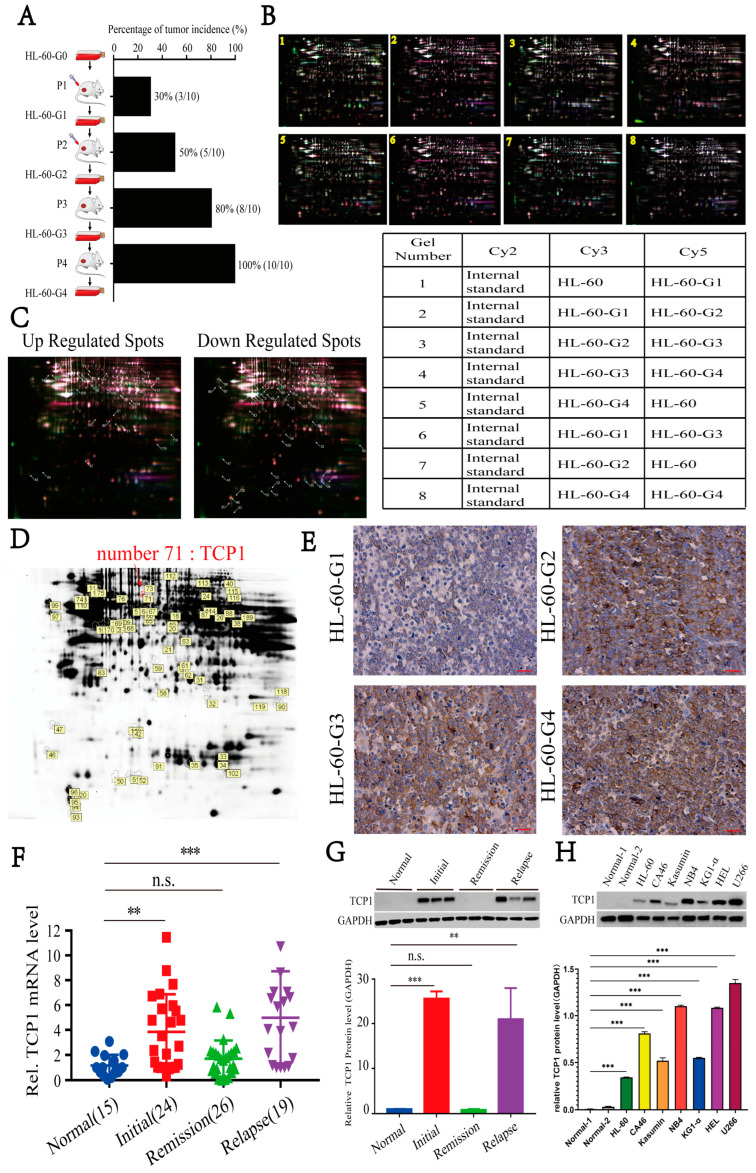
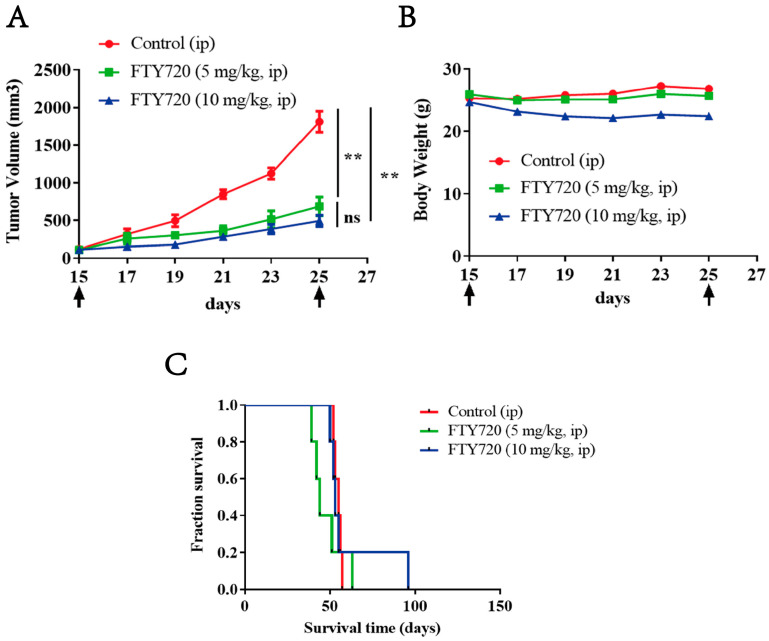
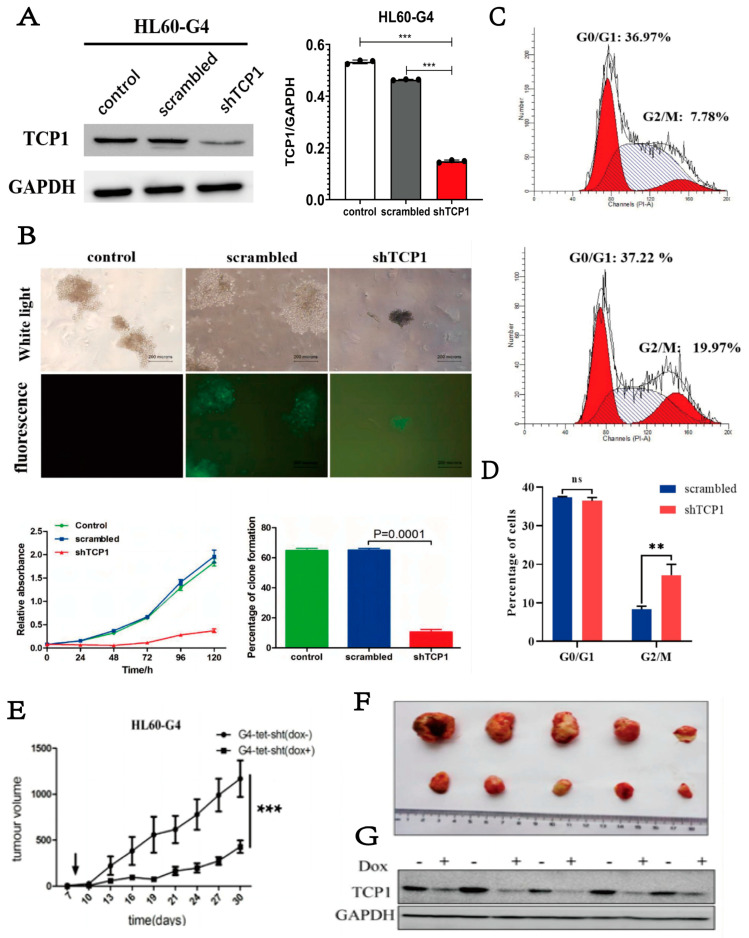
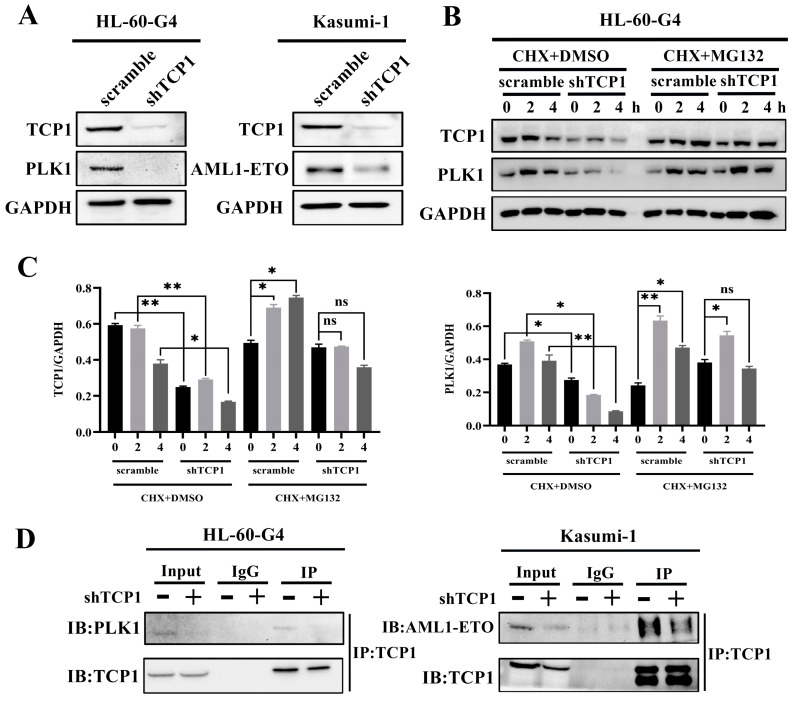
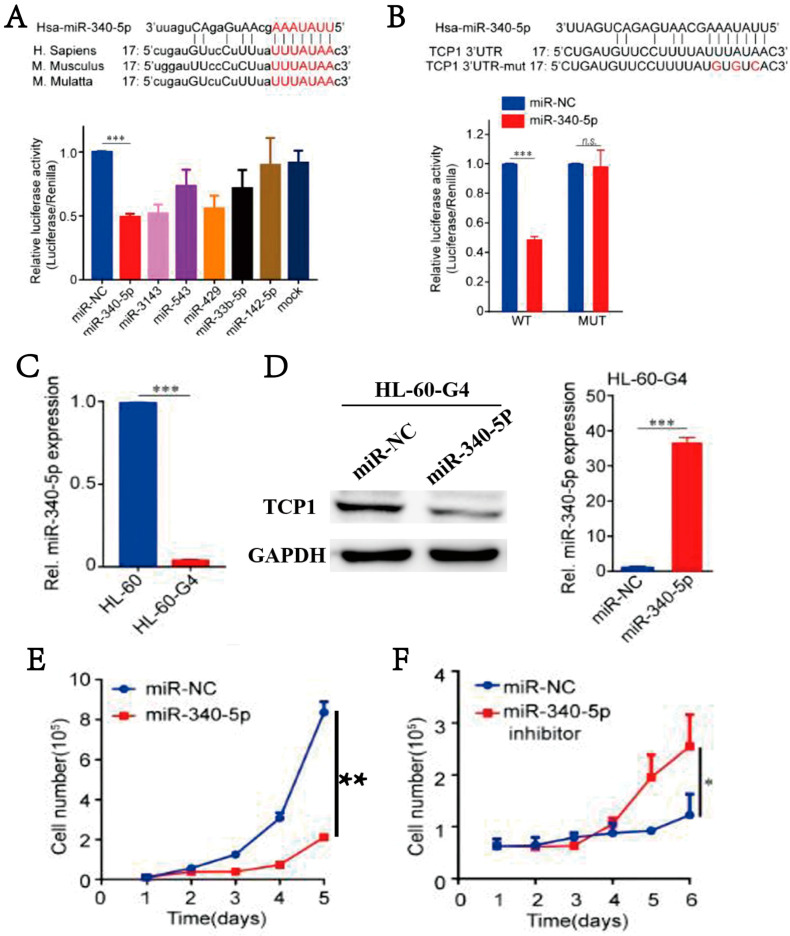
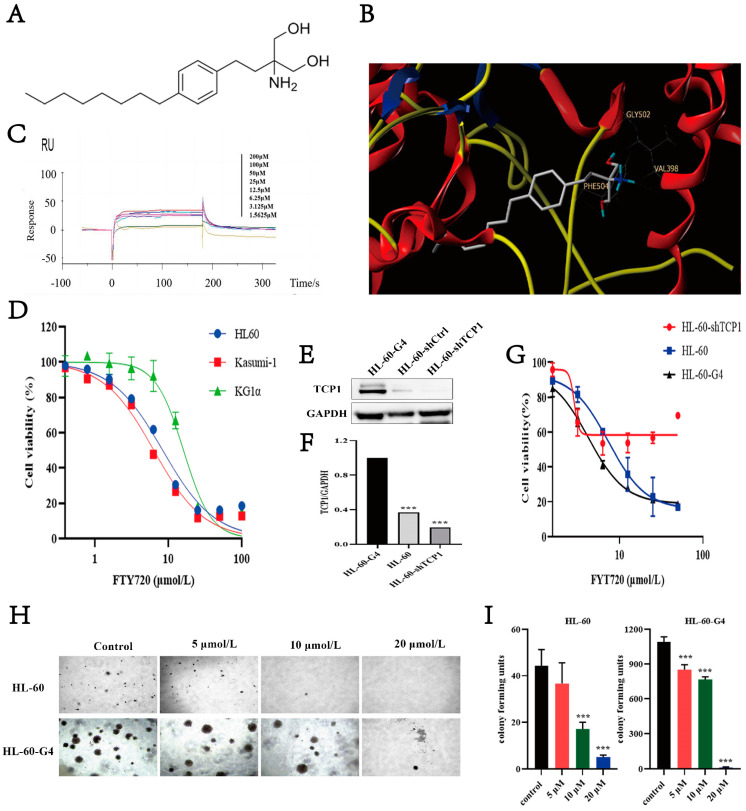
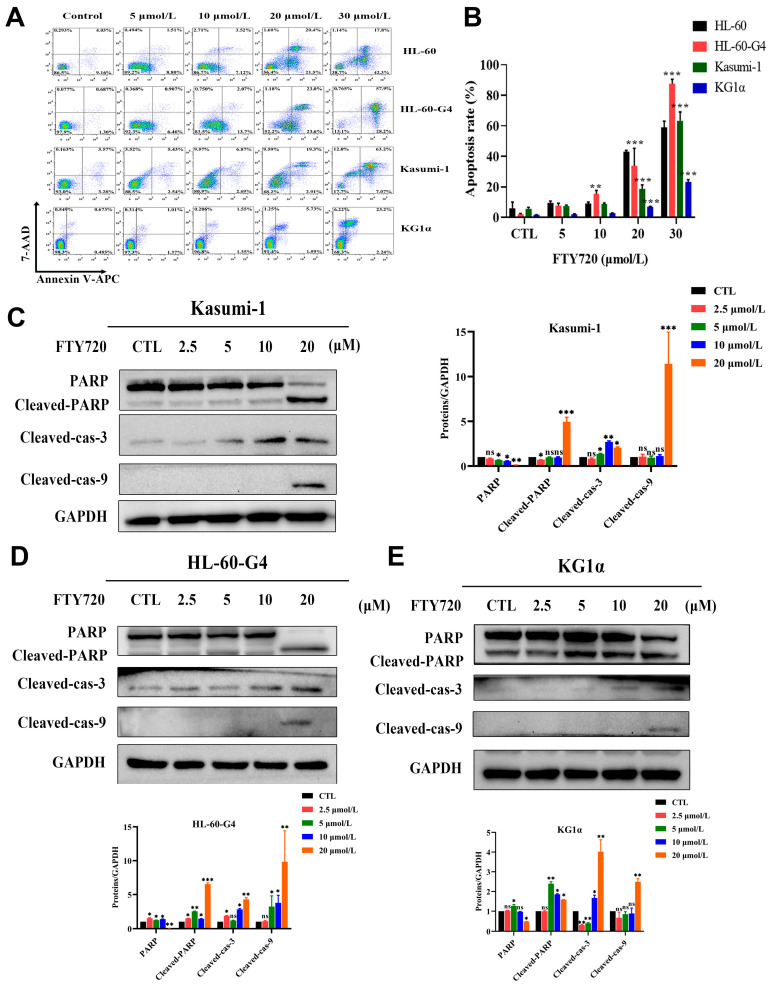
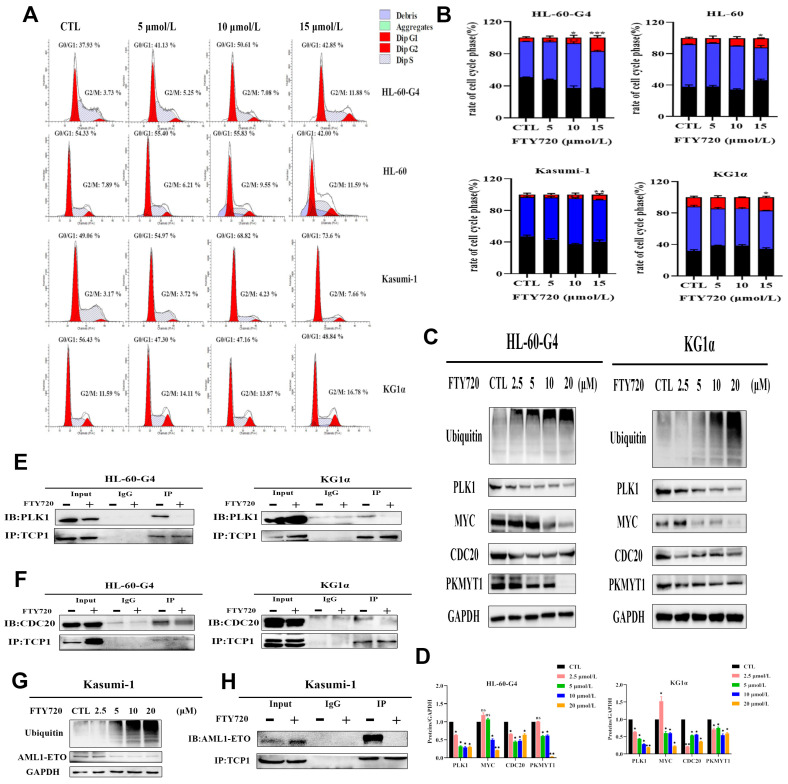
Acute myeloid leukemia (AML) is an aggressive malignancy marked by high relapse rates and molecular heterogeneity, necessitating the identification of novel therapeutic targets. T-complex protein 1 (TCP1), a chaperonin implicated in protein folding, remains underexplored in AML pathogenesis. This study investigates the functional role of TCP1 in AML progression and evaluates its therapeutic potential. Using successive generations of xenografted tumor models, we systematically assessed the correlation between TCP1 expression and AML tumorigenicity. Functional consequences of TCP1 silence were evaluated through in vitro proliferation assays and in vivo tumor growth monitoring. Two distinct inhibitory strategies were employed: miR-340-5p-mediated transcriptional silencing and FTY720-induced disruption of TCP1 chaperone activity. Mechanistic insights were derived from ubiquitin-proteasome pathway analysis, cell cycle profiling, and apoptosis assays. High TCP1 expression correlated strongly with enhanced AML tumorigenicity. Knockdown of TCP1 significantly inhibited AML cell growth and induced degradation of AML1-ETO and PLK1 proteins through the ubiquitin-proteasome pathway. miR-340-5p effectively silenced TCP1 expression, exhibiting an inverse correlation with TCP1 levels. FTY720 disrupted TCP1's chaperone function, leading to cell cycle arrest, apoptosis, and reduced xenograft tumor growth in murine models. Our findings establish TCP1 as a promising therapeutic target for AML. Both miR-340-5p and FTY720 demonstrate potent anti-leukemic effects by suppressing TCP1 activity, highlighting their potential as novel strategies to inhibit AML proliferation and improve therapeutic outcomes.
急性髓系白血病(AML)是一种侵袭性恶性肿瘤,其特征为高复发率和分子异质性,因此需要确定新的治疗靶点。T 复合体蛋白 1(TCP1)是一种参与蛋白质折叠的伴侣蛋白,在 AML 发病机制中的研究仍较少。本研究调查了 TCP1 在 AML 进展中的功能作用,并评估了其治疗潜力。利用连续几代异种移植肿瘤模型,我们系统评估了 TCP1 表达与 AML 致瘤性之间的相关性。通过体外增殖试验和体内肿瘤生长监测评估了 TCP1 沉默的功能后果。采用了两种不同的抑制策略:miR-340-5p 介导的转录沉默和 FTY720 诱导的 TCP1 伴侣活性破坏。通过泛素-蛋白酶体途径分析、细胞周期分析和凋亡试验获得了机制性见解。TCP1 高表达与 AML 致瘤性增强密切相关。敲低 TCP1 可显著抑制 AML 细胞生长,并通过泛素-蛋白酶体途径诱导 AML1-ETO 和 PLK1 蛋白降解。miR-340-5p 有效地沉默了 TCP1 表达,与 TCP1 水平呈负相关。FTY720 破坏了 TCP1 的伴侣功能,导致细胞周期停滞、凋亡,并减少了小鼠模型中的异种移植肿瘤生长。我们的研究结果表明 TCP1 是 AML 一个有前景的治疗靶点。miR-340-5p 和 FTY720 均通过抑制 TCP1 活性显示出强大的抗白血病作用,突出了它们作为抑制 AML 增殖和改善治疗效果的新策略的潜力。