
桑黄多糖对缺氧/复氧诱导的H9c2心肌细胞损伤的保护机制
Protective mechanism of polysaccharides from Phellinus linteus on H9c2 cardiomyocyte injury induced by hypoxia/reoxygenation.
作者信息
Ren Xiaoyu, Mei Qingxian, Zhou Yuan, Jiang Lili, Liu Fei, Wang Jinfeng
机构信息
Medical School of Liaodong University, Dandong, Liaoning, 118003, China.
Three Gorges University Hospital of Traditional Chinese Medicine & Yichang Hospital of Traditional Chinese Medicine, Yichang, 443000, Hubei, China.
出版信息
BMC Res Notes. 2025 Jul 1;18(1):263. doi: 10.1186/s13104-025-07308-x.
OBJECTIVE
This study aimed to explore the protective mechanism of Phellinus linteus polysaccharides (Phps) against hypoxia/reoxygenation (H/R)-induced injury in H9c2 cardiomyocytes, focusing on oxidative stress, apoptosis, and PI3K-AKT pathway regulation.
RESULTS
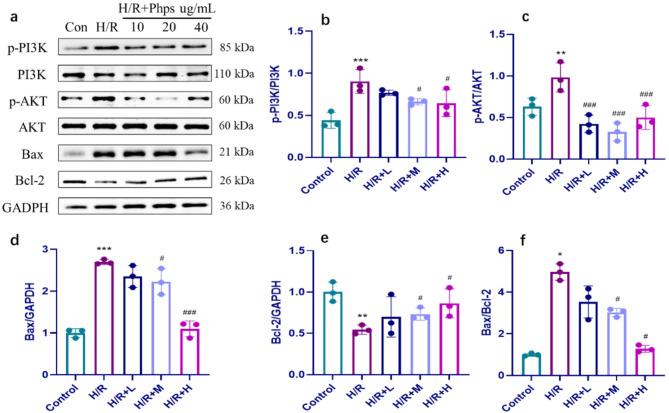
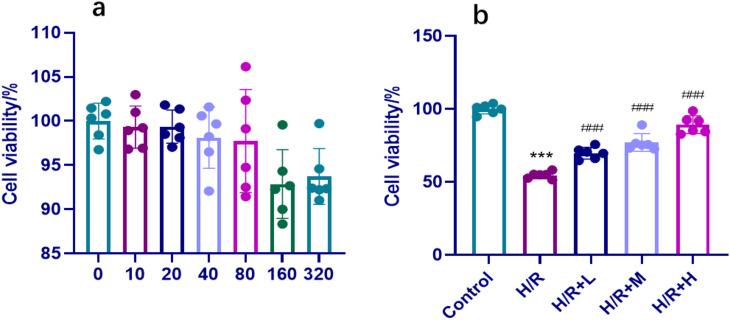
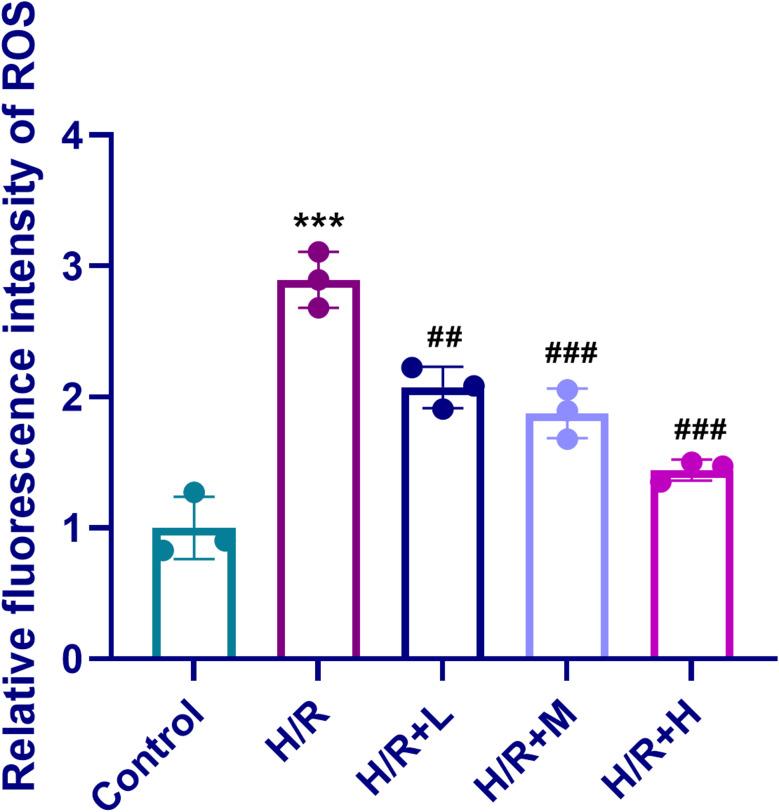
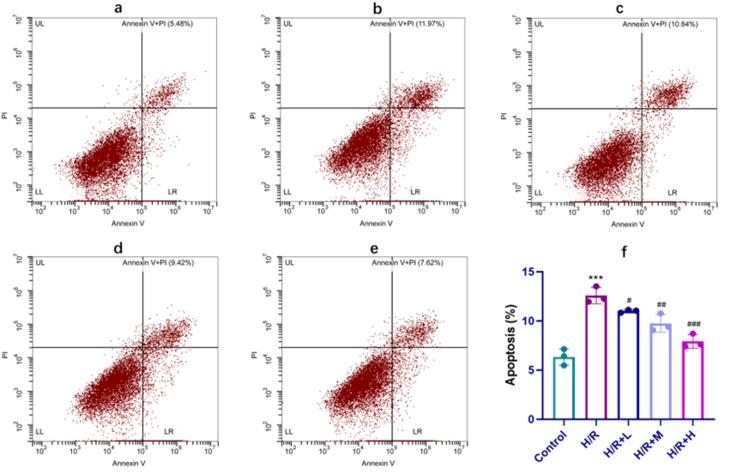
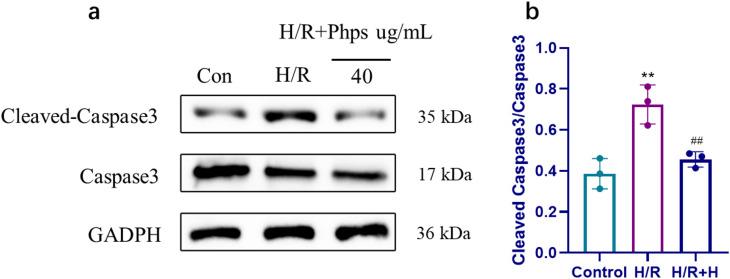
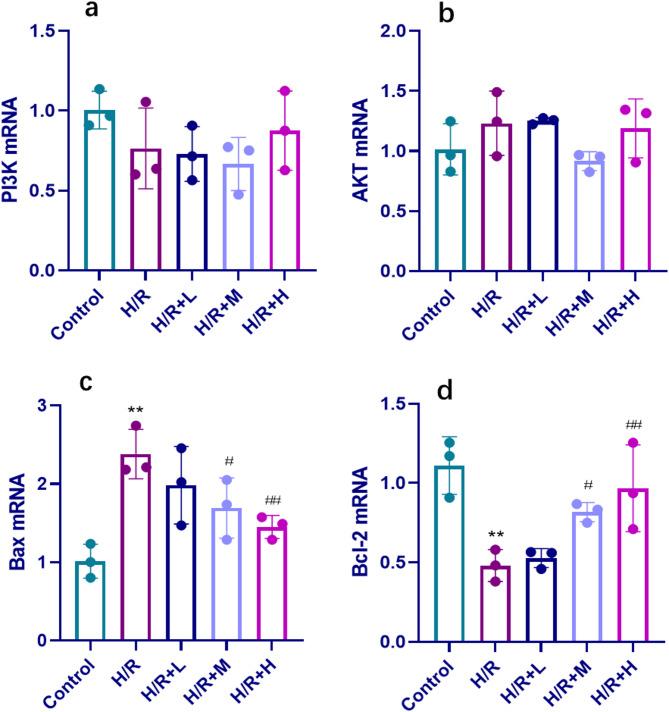
H9c2 cardiomyocytes were divided into control, H/R model, and Phps-treated groups (low/medium/high doses). The H/R model (established by exposing cells to hypoxia for 10 h followed by 4 h of reoxygenation.) induced significant injury: cell viability decreased, SOD activity reduced by 45%, and Bcl-2 expression declined at both mRNA and protein levels, while LDH activity increased by 66%, MDA content surged by 99%, and Bax expression (mRNA/protein) and p-PI3K and p-AKT levels were upregulated, with statistical significance (P < 0.05 vs. control). Compared to the H/R model group, the Phps treatment (low, medium, high) groups showed a significant increase in H9c2 cardiomyocytes viability, SOD activity, and mRNA and protein expression levels of Bcl-2. The LDH activity, MDA content, mRNA levels of Bax, and protein expression levels of Bax, p-PI3K and p-AKT significantly decreased, with statistical significance (P < 0.05). These results suggest that Phps may improve H/R induced damage in H9c2 cardiomyocytes by downregulating the ratio of Bax/Bcl-2 through the PI3K-AKT pathway.
目的
本研究旨在探讨桑黄多糖(Phps)对H9c2心肌细胞缺氧/复氧(H/R)诱导损伤的保护机制,重点关注氧化应激、细胞凋亡和PI3K-AKT信号通路调控。
结果
将H9c2心肌细胞分为对照组、H/R模型组和Phps处理组(低/中/高剂量)。H/R模型(通过将细胞暴露于缺氧环境10小时,随后再进行4小时复氧建立)诱导了显著损伤:细胞活力下降,超氧化物歧化酶(SOD)活性降低45%,Bcl-2在mRNA和蛋白水平的表达均下降,而乳酸脱氢酶(LDH)活性增加66%,丙二醛(MDA)含量激增99%,Bax表达(mRNA/蛋白)以及磷酸化PI3K(p-PI3K)和磷酸化AKT(p-AKT)水平上调,差异具有统计学意义(与对照组相比,P < 0.05)。与H/R模型组相比,Phps处理(低、中、高)组的H9c2心肌细胞活力、SOD活性以及Bcl-2的mRNA和蛋白表达水平显著增加。LDH活性、MDA含量、Bax的mRNA水平以及Bax、p-PI3K和p-AKT的蛋白表达水平显著降低,差异具有统计学意义(P < 0.05)。这些结果表明,Phps可能通过PI3K-AKT信号通路下调Bax/Bcl-2比值,从而改善H/R诱导的H9c2心肌细胞损伤。

 Zotero 插件