Pedrazzini E, Villa A, Longhi R, Bulbarelli A, Borgese N
Consiglio Nazionale Ricerche Cellular and Molecular Pharmacology Center, Department of Pharmacology, University of Milan, Italy.
J Cell Biol. 2000 Mar 6;148(5):899-914. doi: 10.1083/jcb.148.5.899.
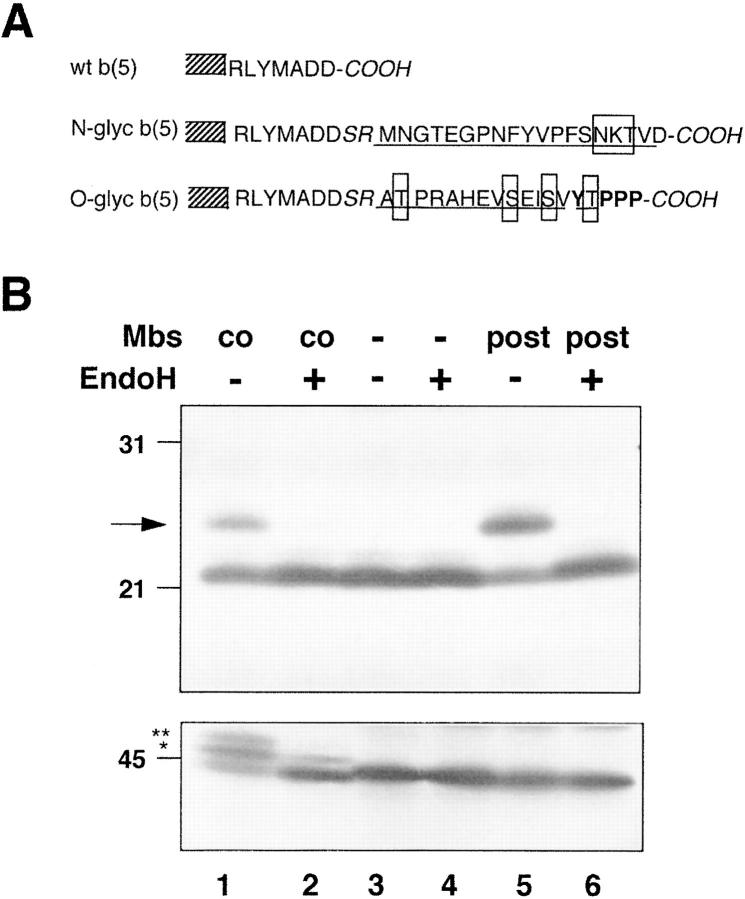
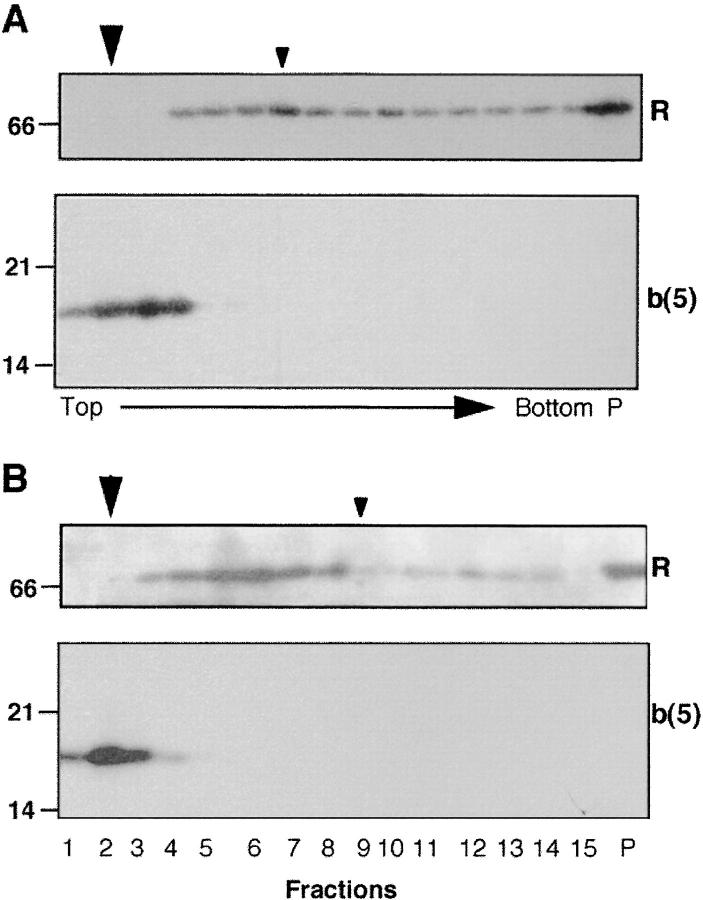
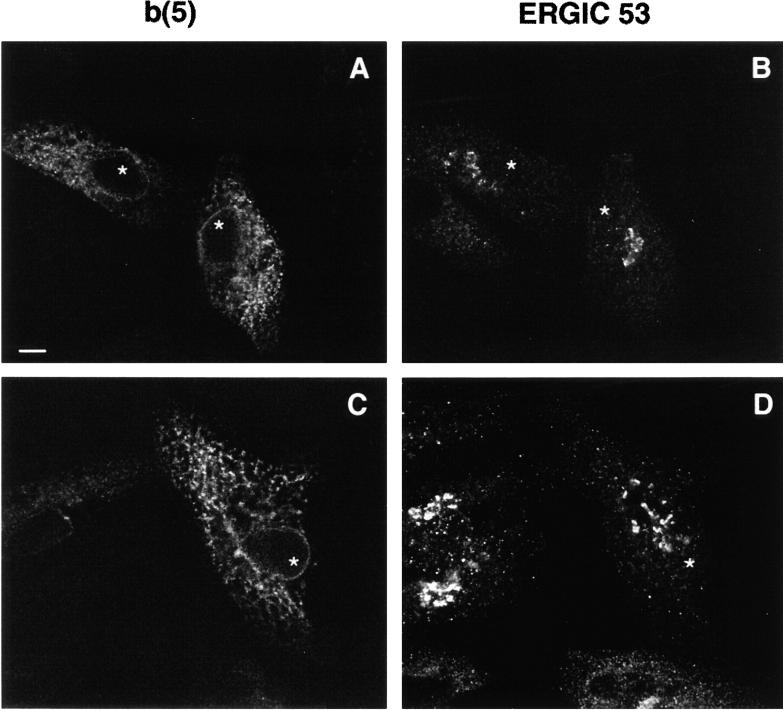
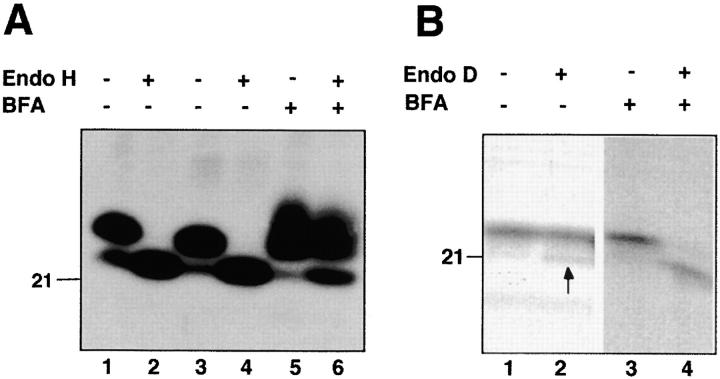
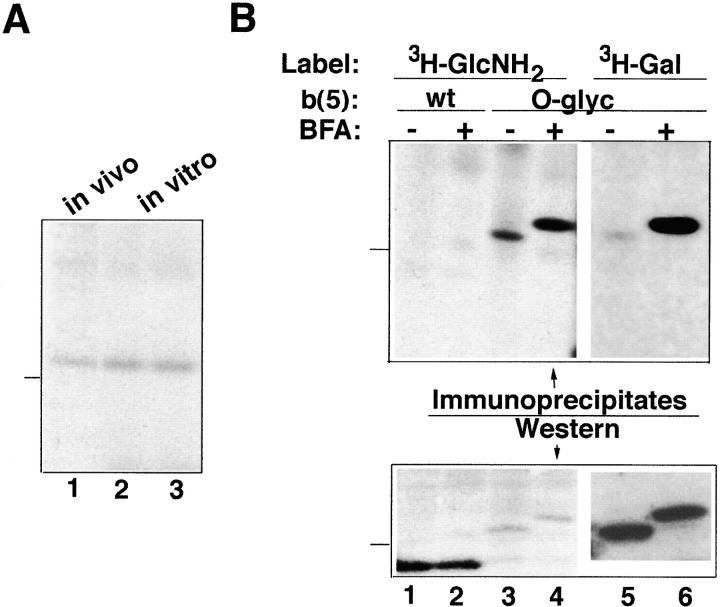
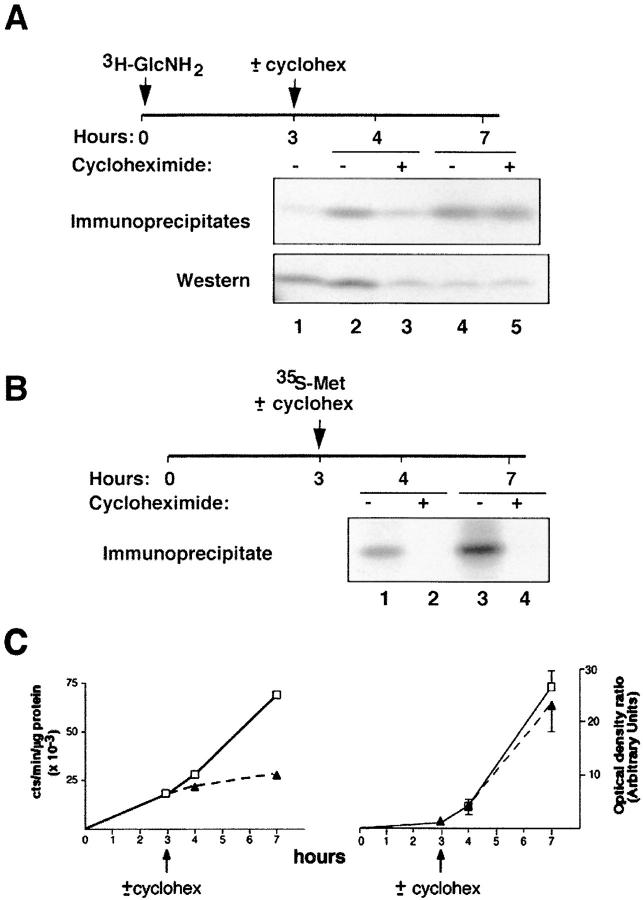
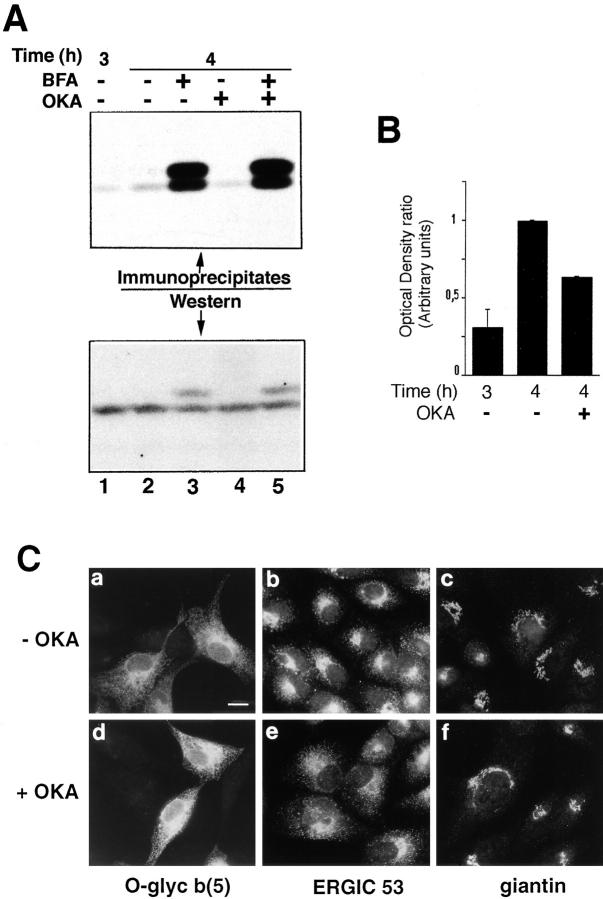
Endoplasmic reticulum (ER) proteins maintain their residency by static retention, dynamic retrieval, or a combination of the two. Tail-anchored proteins that contain a cytosolic domain associated with the lipid bilayer via a hydrophobic stretch close to the COOH terminus are sorted within the secretory pathway by largely unknown mechanisms. Here, we have investigated the mode of insertion in the bilayer and the intracellular trafficking of cytochrome b(5) (b[5]), taken as a model for ER-resident tail-anchored proteins. We first demonstrated that b(5) can acquire a transmembrane topology posttranslationally, and then used two tagged versions of b(5), N-glyc and O-glyc b(5), containing potential N- and O-glycosylation sites, respectively, at the COOH-terminal lumenal extremity, to discriminate between retention and retrieval mechanisms. Whereas the N-linked oligosaccharide provided no evidence for retrieval from a downstream compartment, a more stringent assay based on carbohydrate acquisition by O-glyc b(5) showed that b(5) gains access to enzymes catalyzing the first steps of O-glycosylation. These results suggest that b(5) slowly recycles between the ER and the cis-Golgi complex and that dynamic retrieval as well as retention are involved in sorting of tail-anchored proteins.
内质网(ER)蛋白通过静态保留、动态回收或两者结合来维持其驻留。尾部锚定蛋白通过靠近COOH末端的疏水区域与脂质双层相关联的胞质结构域,在分泌途径中通过很大程度上未知的机制进行分选。在这里,我们研究了细胞色素b5(b[5])在双层中的插入模式和细胞内运输,将其作为内质网驻留尾部锚定蛋白的模型。我们首先证明b(5)可以在翻译后获得跨膜拓扑结构,然后使用b(5)的两个标记版本,N-糖基化和O-糖基化b(5),分别在COOH末端腔端含有潜在的N-和O-糖基化位点,以区分保留和回收机制。虽然N-连接寡糖没有提供从下游区室回收的证据,但基于O-糖基化b(5)获取碳水化合物的更严格检测表明,b(5)可以接触到催化O-糖基化第一步的酶。这些结果表明,b(5)在内质网和顺式高尔基体复合体之间缓慢循环,并且动态回收以及保留参与尾部锚定蛋白的分选。