Winn W C, Walker D H
Bull World Health Organ. 1975;52(4-6):535-45.
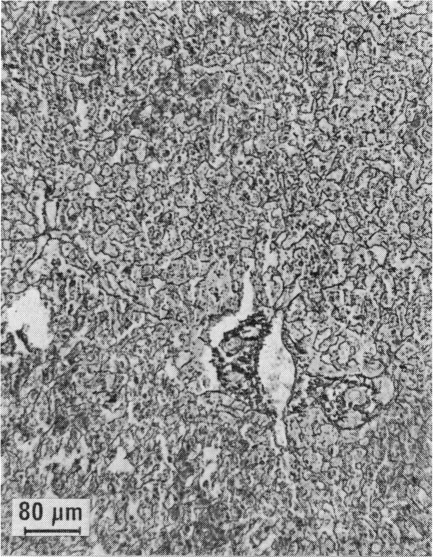
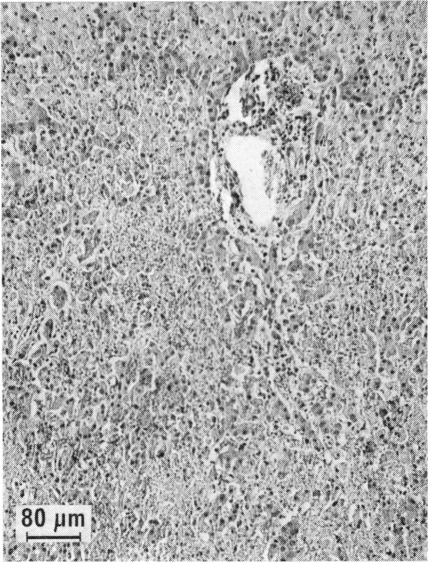
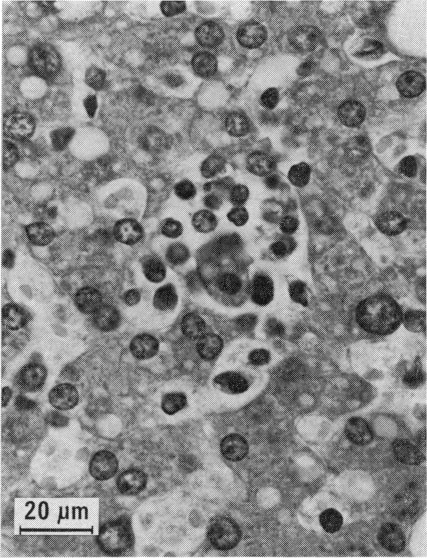
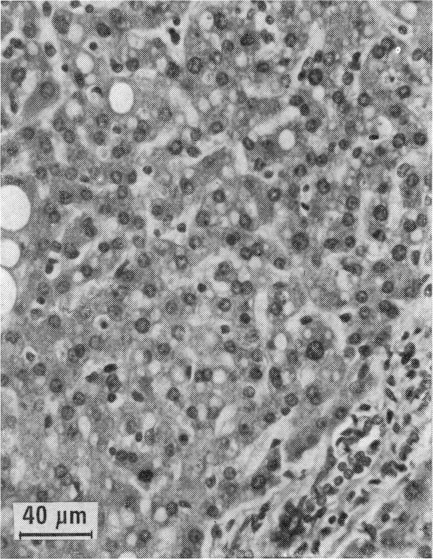
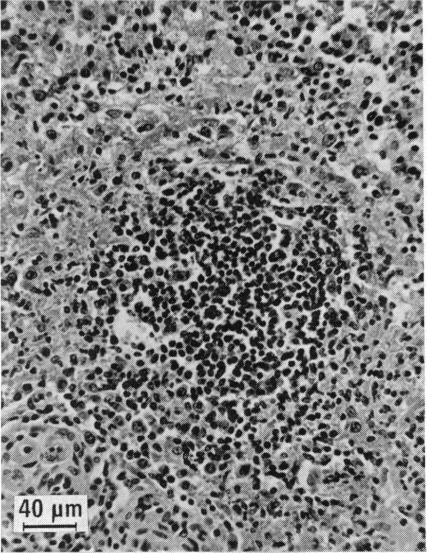
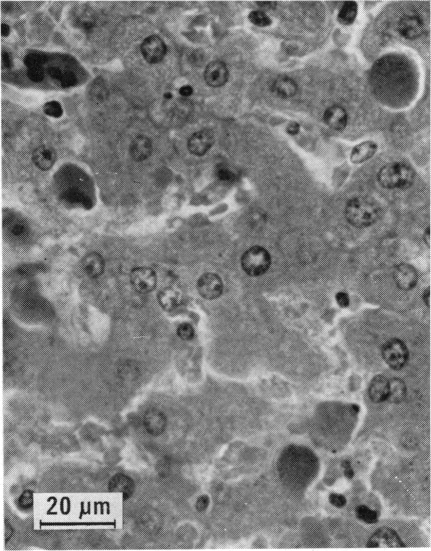
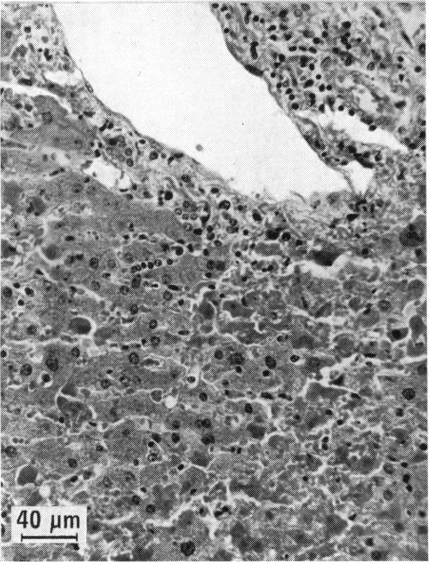
Pathological findings have been described in only a small number of cases of Lassa fever since the virus was first isolated in 1969. Morphologically, eosinophilic necrosis of hepatocytes was the most frequent finding and focal necroses, often extensive, were present in most cases. These findings are similar to the lesions previously described in Argentinian and Bolivian haemorrhagic fever. Focal interstitial pneumonitis, focal tubular necrosis in the kidney, lymphocytic infiltration of the splenic veins, and partial replacement of the splenic follicles by amorphous eosinophilic material have been described, but the significance of these findings is unclear. More detailed and sophisticated investigations are required in the future if pathogenetic mechanisms are to be unravelled.
自1969年首次分离出拉沙病毒以来,仅有少数拉沙热病例有病理检查结果的描述。从形态学上看,肝细胞嗜酸性坏死是最常见的表现,多数病例存在局灶性坏死,且往往范围广泛。这些表现与先前在阿根廷出血热和玻利维亚出血热中描述的病变相似。有文献报道了局灶性间质性肺炎、肾脏局灶性肾小管坏死、脾静脉淋巴细胞浸润以及脾滤泡被无定形嗜酸性物质部分取代的情况,但这些表现的意义尚不清楚。如果要阐明发病机制,未来需要进行更详细、更精密的研究。