Tian L, Nyman H, Kilgannon P, Yoshihara Y, Mori K, Andersson L C, Kaukinen S, Rauvala H, Gallatin W M, Gahmberg C G
Department of Biosciences, Division of Biochemistry, Viikinkaari 5, University of Helsinki, Helsinki 00014, Finland.
J Cell Biol. 2000 Jul 10;150(1):243-52. doi: 10.1083/jcb.150.1.243.
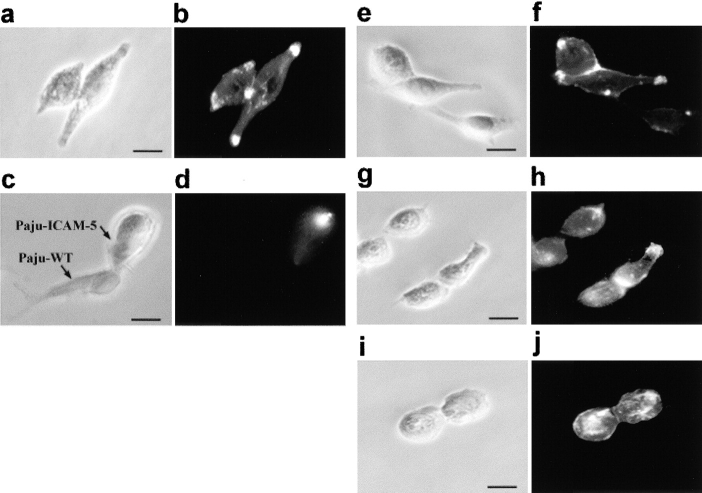
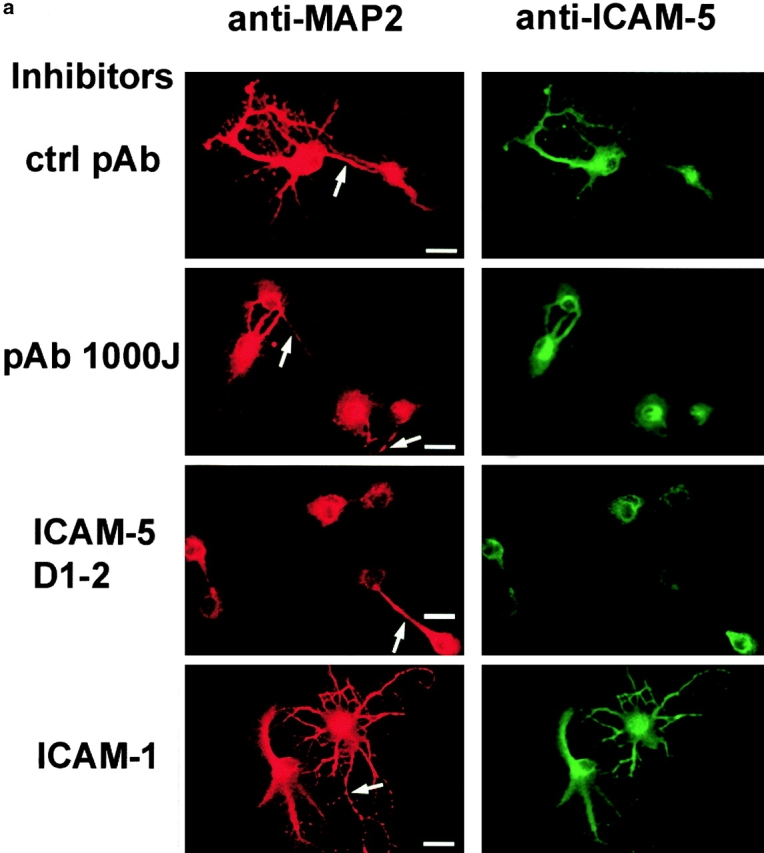
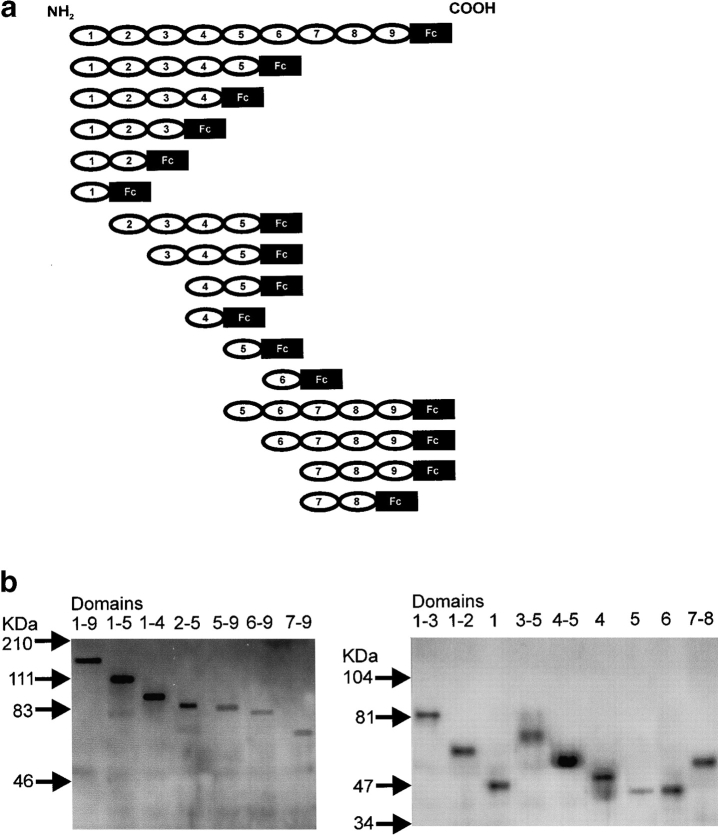
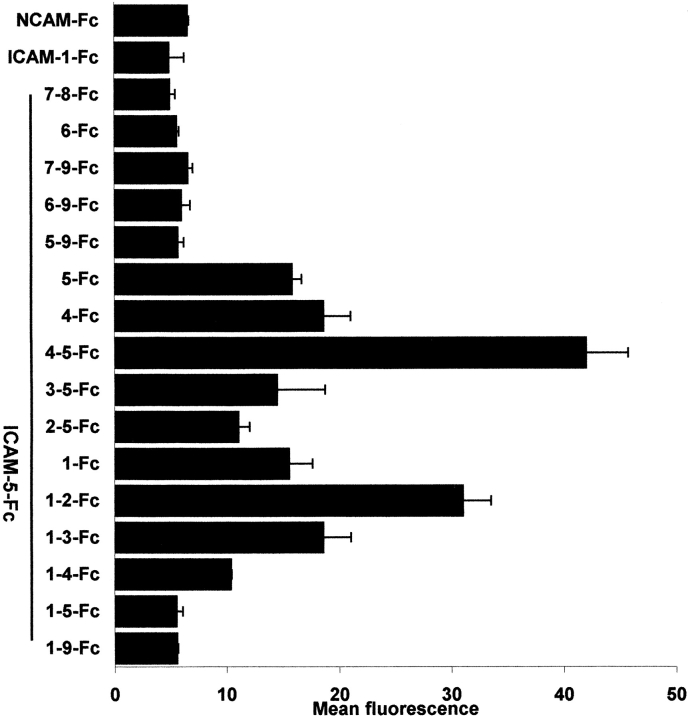
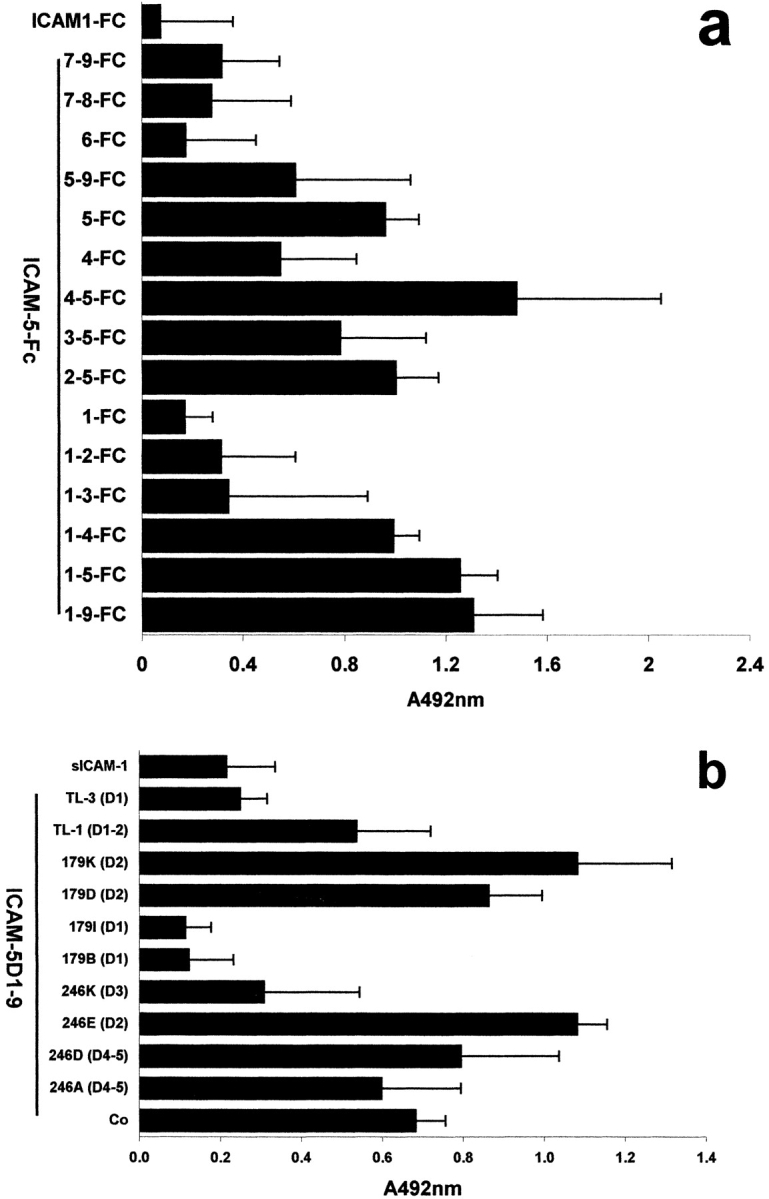
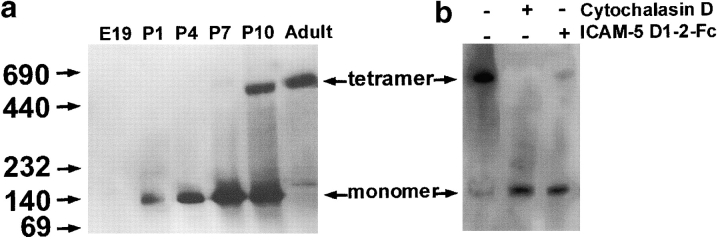
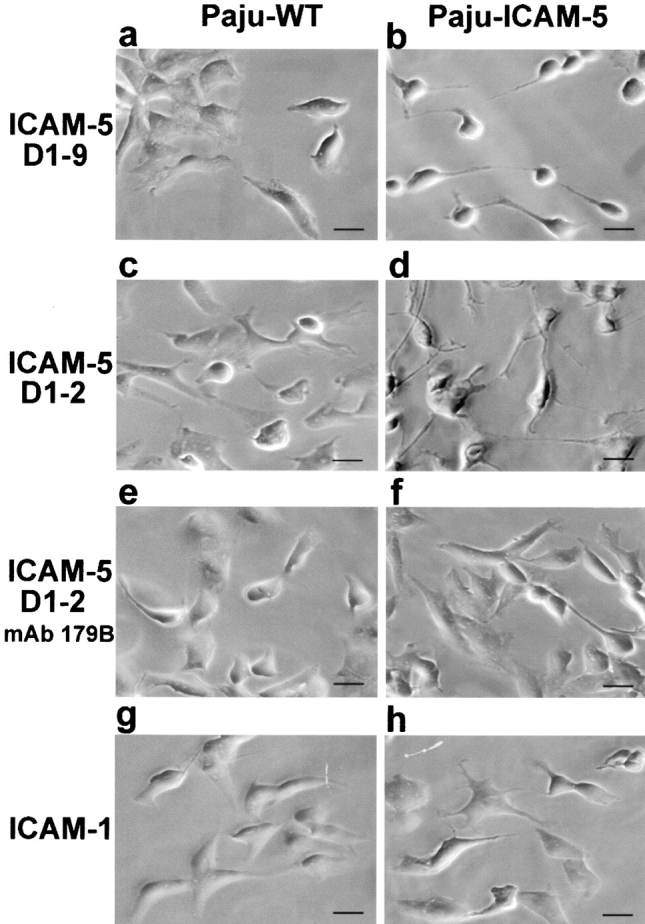
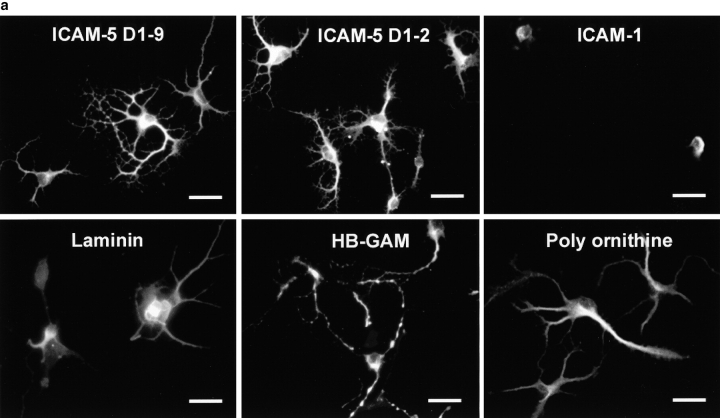
Intercellular adhesion molecule-5 (ICAM-5) is a dendritically polarized membrane glycoprotein in telencephalic neurons, which shows heterophilic binding to leukocyte beta(2)-integrins. Here, we show that the human ICAM-5 protein interacts in a homophilic manner through the binding of the immunoglobulin domain 1 to domains 4-5. Surface coated ICAM-5-Fc promoted dendritic outgrowth and arborization of ICAM- 5-expressing hippocampal neurons. During dendritogenesis in developing rat brain, ICAM-5 was in monomer form, whereas in mature neurons it migrated as a high molecular weight complex. The findings indicate that its homophilic binding activity was regulated by nonmonomer/monomer transition. Thus, ICAM-5 displays two types of adhesion activity, homophilic binding between neurons and heterophilic binding between neurons and leukocytes.
细胞间黏附分子5(ICAM-5)是端脑神经元中呈树突状极化的膜糖蛋白,它可与白细胞β2整合素进行异嗜性结合。在此,我们发现人ICAM-5蛋白通过免疫球蛋白结构域1与结构域4至5的结合以同种亲和方式相互作用。表面包被的ICAM-5-Fc促进了表达ICAM-5的海马神经元的树突生长和分支形成。在发育中的大鼠脑树突发生过程中,ICAM-5呈单体形式,而在成熟神经元中它以高分子量复合物形式迁移。这些发现表明其同种亲和结合活性受非单体/单体转变调控。因此,ICAM-5表现出两种黏附活性,即神经元之间的同种亲和结合以及神经元与白细胞之间的异嗜性结合。