Frey M R, Clark J A, Leontieva O, Uronis J M, Black A R, Black J D
Department of Pharmacology and Therapeutics, Roswell Park Cancer Institute, Buffalo, New York 14263, USA.
J Cell Biol. 2000 Nov 13;151(4):763-78. doi: 10.1083/jcb.151.4.763.
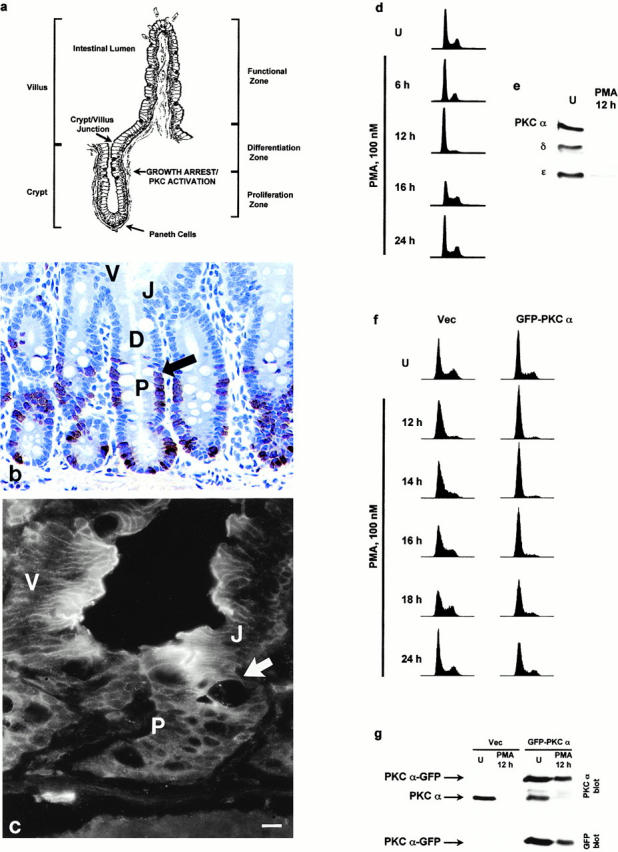
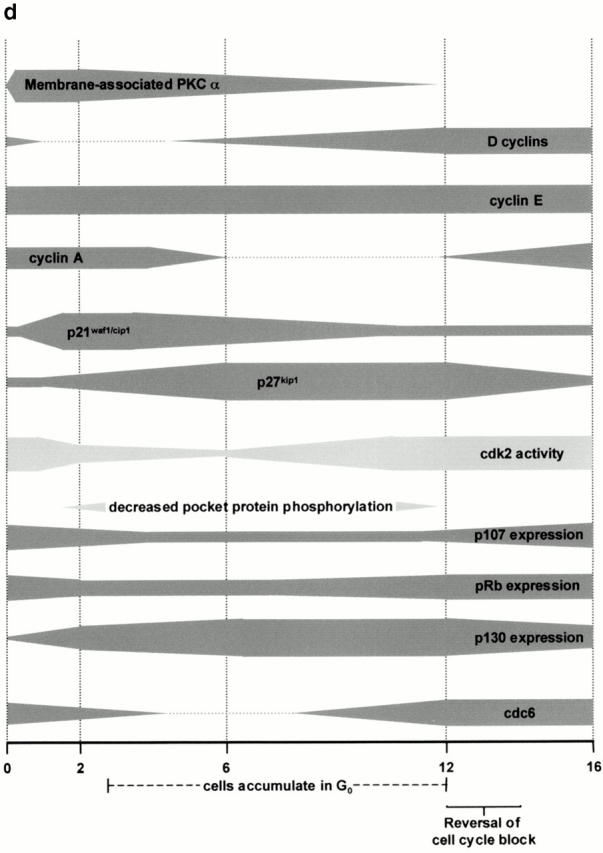
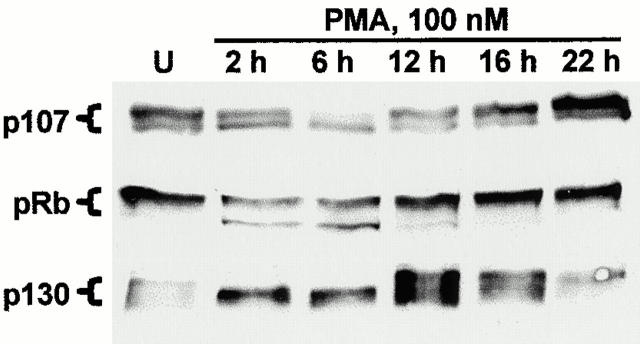
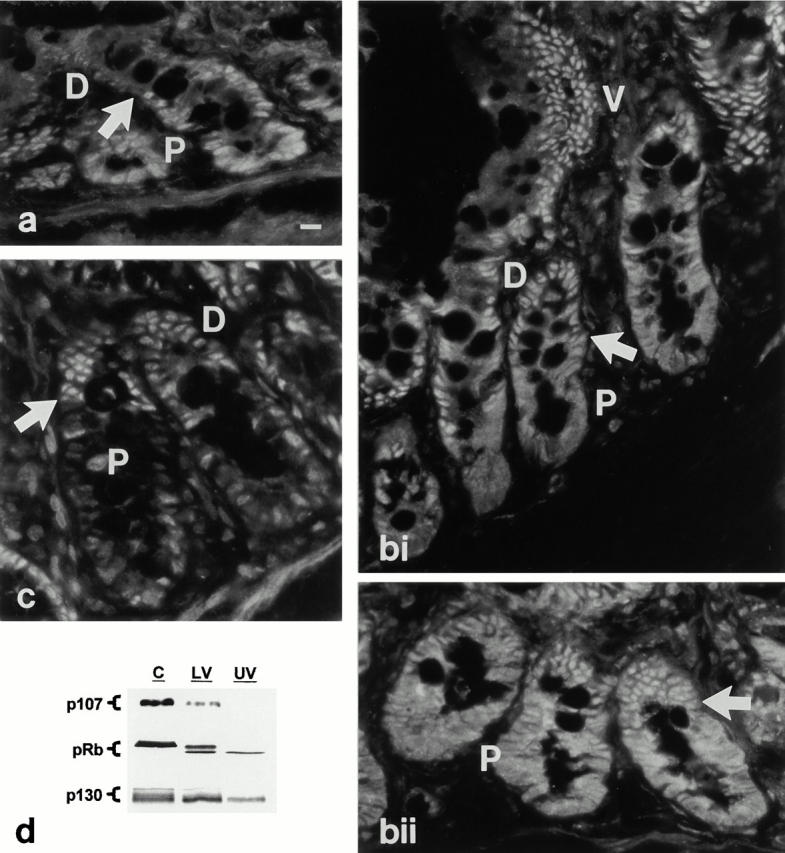
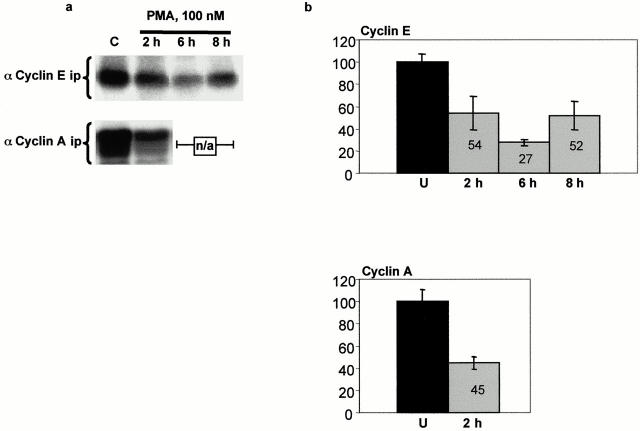
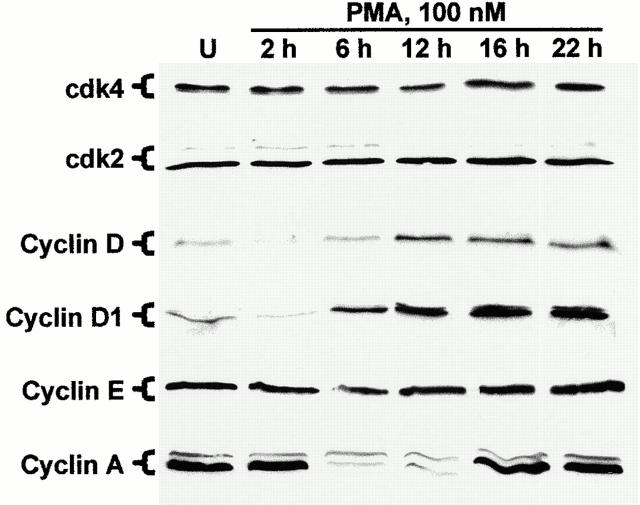
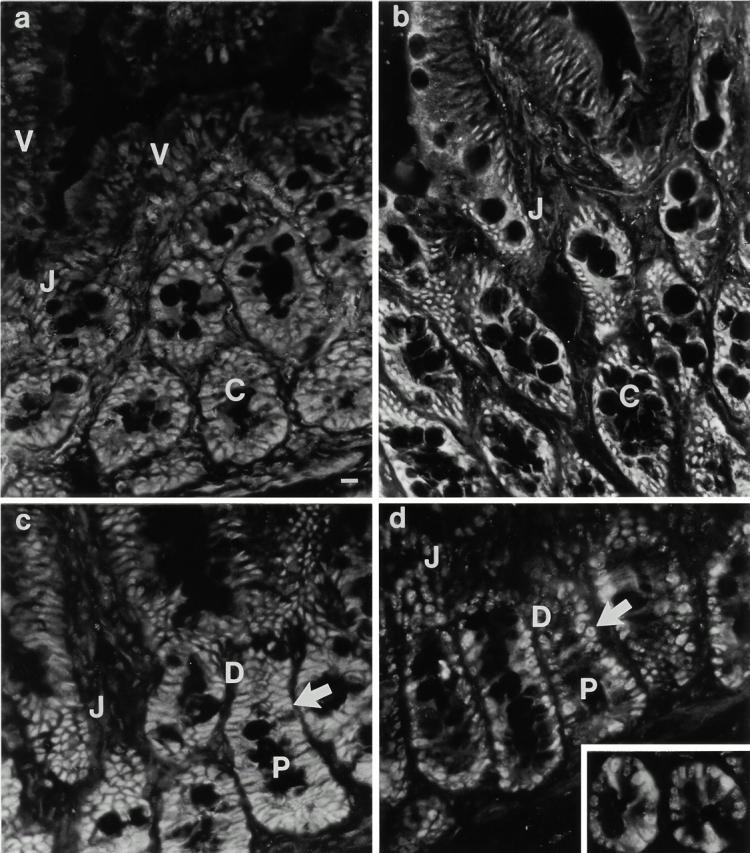
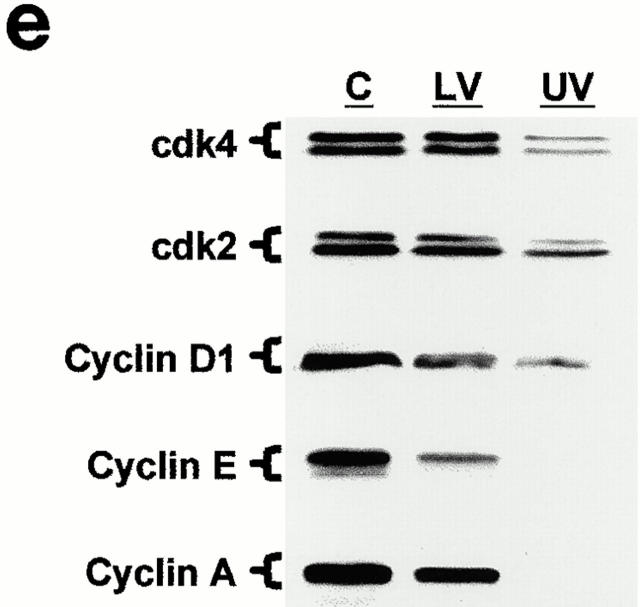
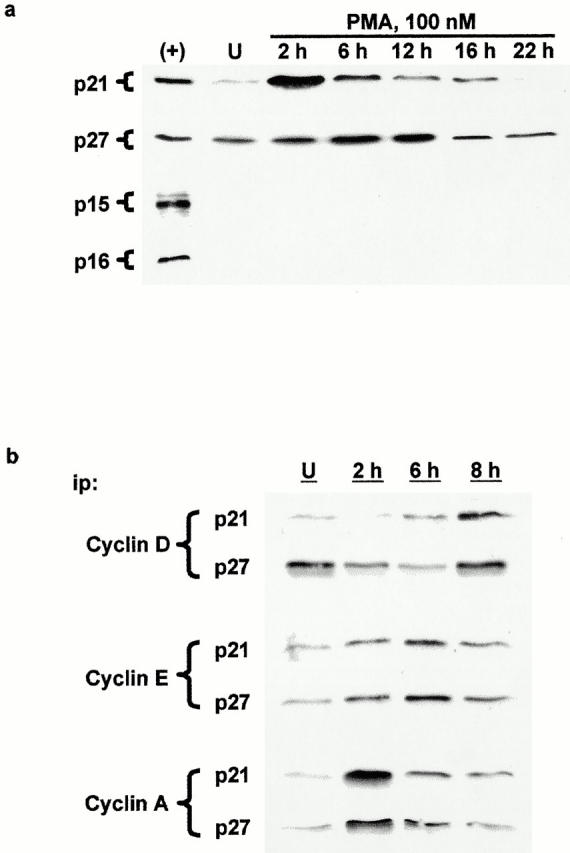
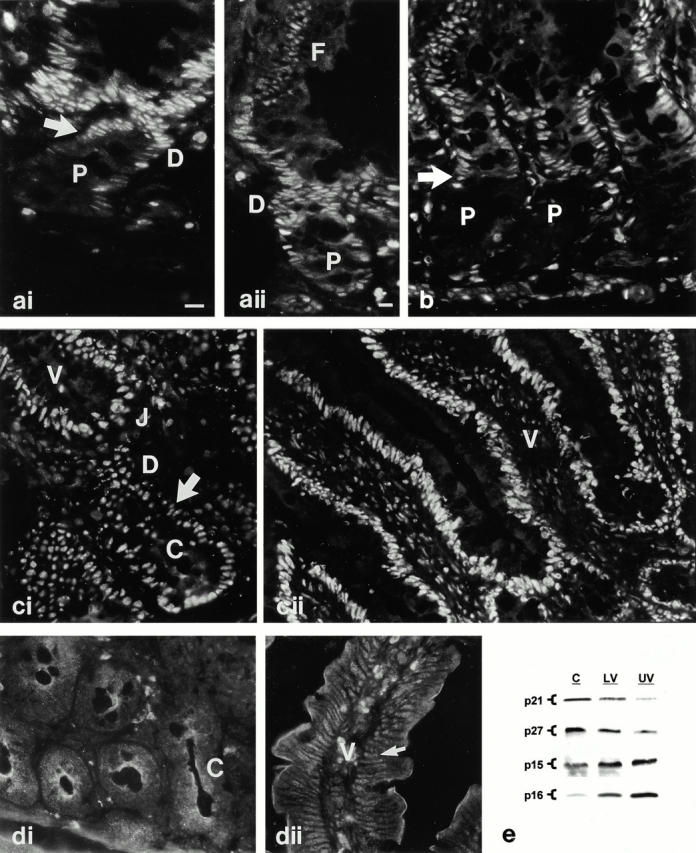
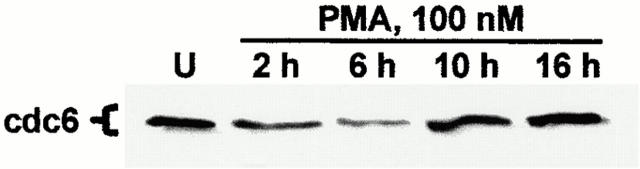
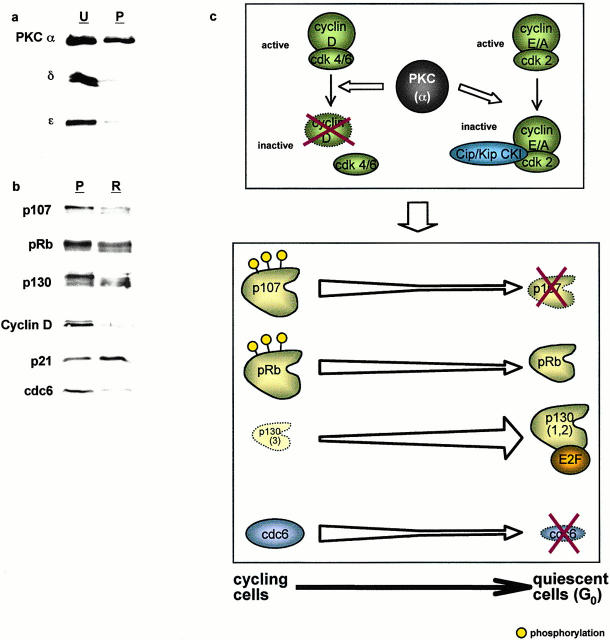
Members of the protein kinase C (PKC) family of signal transduction molecules have been widely implicated in regulation of cell growth and differentiation, although the underlying molecular mechanisms involved remain poorly defined. Using combined in vitro and in vivo intestinal epithelial model systems, we demonstrate that PKC signaling can trigger a coordinated program of molecular events leading to cell cycle withdrawal into G(0). PKC activation in the IEC-18 intestinal crypt cell line resulted in rapid downregulation of D-type cyclins and differential induction of p21(waf1/cip1) and p27(kip1), thus targeting all of the major G(1)/S cyclin-dependent kinase complexes. These events were associated with coordinated alterations in expression and phosphorylation of the pocket proteins p107, pRb, and p130 that drive cells to exit the cell cycle into G(0) as indicated by concomitant downregulation of the DNA licensing factor cdc6. Manipulation of PKC isozyme levels in IEC-18 cells demonstrated that PKCalpha alone can trigger hallmark events of cell cycle withdrawal in intestinal epithelial cells. Notably, analysis of the developmental control of cell cycle regulatory molecules along the crypt-villus axis revealed that PKCalpha activation is appropriately positioned within intestinal crypts to trigger this program of cell cycle exit-specific events in situ. Together, these data point to PKCalpha as a key regulator of cell cycle withdrawal in the intestinal epithelium.
信号转导分子蛋白激酶C(PKC)家族的成员已被广泛认为与细胞生长和分化的调节有关,尽管其中涉及的潜在分子机制仍不清楚。利用体外和体内相结合的肠上皮模型系统,我们证明PKC信号传导可以触发一系列协调的分子事件,导致细胞周期停滞进入G(0)期。IEC-18肠隐窝细胞系中的PKC激活导致D型细胞周期蛋白迅速下调,并差异性诱导p21(waf1/cip1)和p27(kip1),从而靶向所有主要的G(1)/S细胞周期蛋白依赖性激酶复合物。这些事件与口袋蛋白p107、pRb和p130的表达和磷酸化的协调改变有关,这些改变驱动细胞退出细胞周期进入G(0)期,这一点由DNA许可因子cdc6的同时下调所表明。对IEC-18细胞中PKC同工酶水平的操纵表明,仅PKCalpha就能触发肠上皮细胞中细胞周期停滞的标志性事件。值得注意的是,对沿隐窝-绒毛轴的细胞周期调节分子的发育控制分析表明,PKCalpha激活恰好在肠隐窝内发生,以原位触发这一细胞周期退出特异性事件程序。总之,这些数据表明PKCalpha是肠上皮细胞中细胞周期停滞的关键调节因子。