Fosh B G, Finch J G, Anthony A A, Texler M, Maddern G J
University of Adelaide, Department Of Surgery, The Queen Elizabeth Hospital, Adelaide, SA, Australia.
BMC Gastroenterol. 2001;1:9. doi: 10.1186/1471-230x-1-9. Epub 2001 Sep 6.
Pancreatic cancer is a biologically aggressive disease with less than 20% of patients suitable for a "curative" surgical resection. This, combined with the poor 5-year survival indicates that effective palliative methods for symptom relief are required. Currently there are no ablative techniques to treat pancreatic cancer in clinical use. Tissue electrolysis is the delivery of a direct current between an anode and cathode to induce localised necrosis. Electrolysis has been shown to be safe and reliable in producing hepatic tissue and tumour ablation in animal models and in a limited number of patients. This study investigates the feasibility of using electrolysis to produce localised pancreatic necrosis in a healthy rat model.
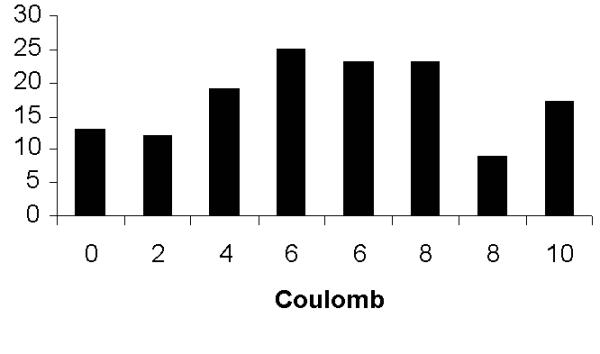
Ten rats were studied in total. Eight rats were treated with variable "doses" of coulombs, and the systemic and local effects were assessed; 2 rats were used as controls.
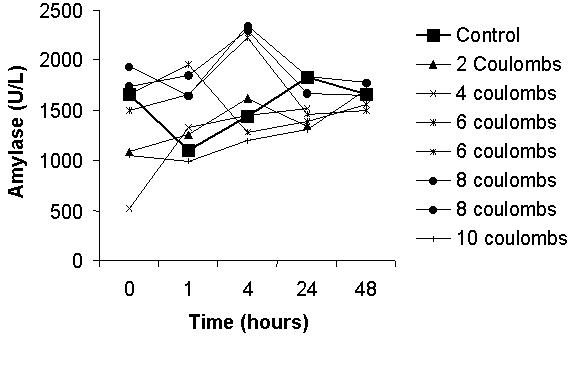
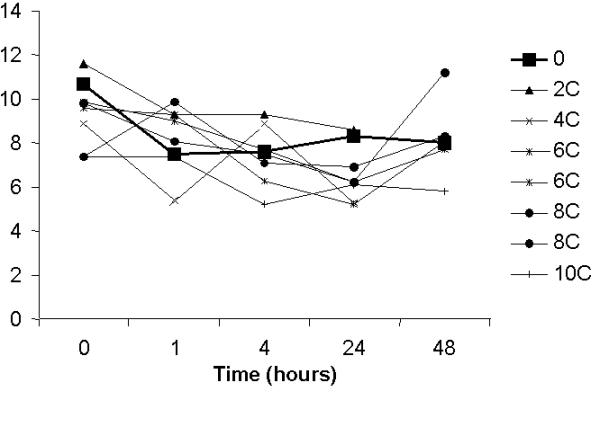
Seven rats tolerated the procedure well without morbidity or mortality, and one died immediately post procedure. One control rat died on induction of anaesthesia. Serum amylase and glucose were not significantly affected.
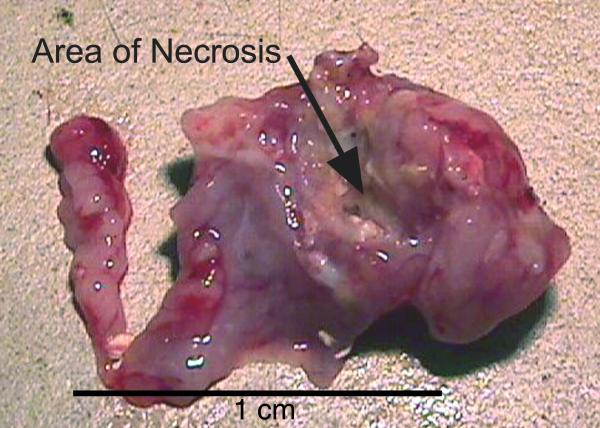
Electrolysis in the rat pancreas produced localised necrosis and appears both safe, and reproducible. This novel technique could offer significant advantages for patients with unresectable pancreatic tumours. The next stage of the study is to assess pancreatic electrolysis in a pig model, prior to human pilot studies.
胰腺癌是一种具有生物学侵袭性的疾病,适合进行“根治性”手术切除的患者不到20%。这一点,再加上较差的5年生存率,表明需要有效的姑息治疗方法来缓解症状。目前临床上尚无用于治疗胰腺癌的消融技术。组织电解是在阳极和阴极之间施加直流电以诱导局部坏死。在动物模型和少数患者中,电解已被证明在产生肝组织和肿瘤消融方面是安全可靠的。本研究探讨了在健康大鼠模型中使用电解产生局部胰腺坏死的可行性。
总共对10只大鼠进行了研究。8只大鼠接受了不同“剂量”的库仑处理,并评估了全身和局部影响;2只大鼠用作对照。
7只大鼠对该手术耐受良好,无发病或死亡情况,1只在手术后立即死亡。1只对照大鼠在麻醉诱导时死亡。血清淀粉酶和葡萄糖未受到显著影响。
大鼠胰腺电解产生了局部坏死,且似乎既安全又可重复。这种新技术可能为无法切除的胰腺肿瘤患者带来显著优势。该研究的下一阶段是在猪模型中评估胰腺电解,然后再进行人体初步研究。