Tillman Robert E, Wooley Andrea L, Hughes Maureen M, Wehrly Tara D, Swat Wojciech, Sleckman Barry P
Washington University School of Medicine, Department of Pathology and Immunology, St. Louis, MO 63110, USA.
J Exp Med. 2002 Feb 4;195(3):309-16. doi: 10.1084/jem.20011803.
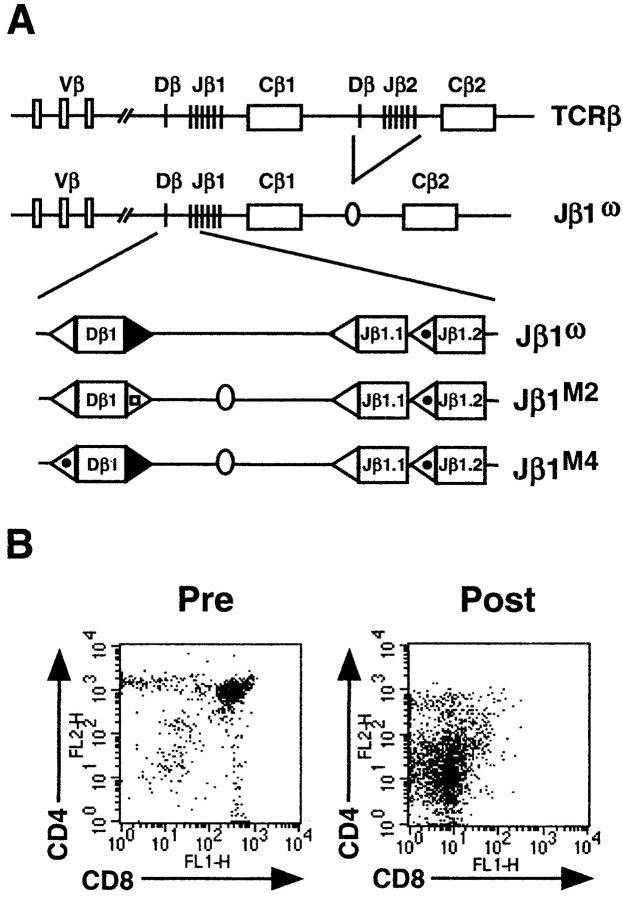
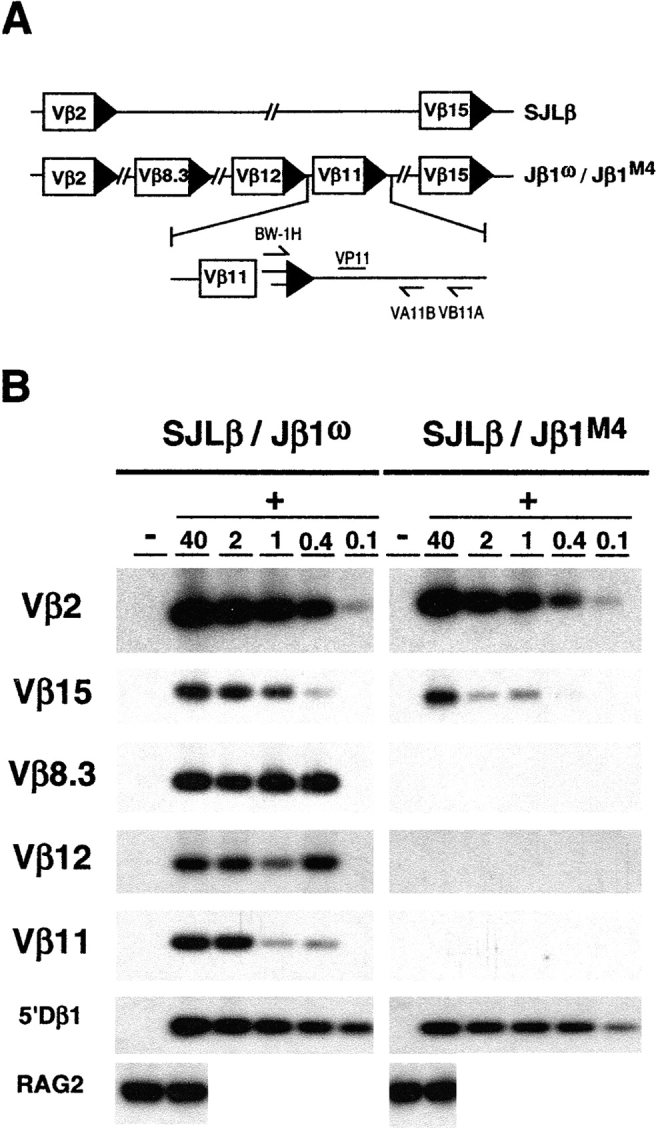
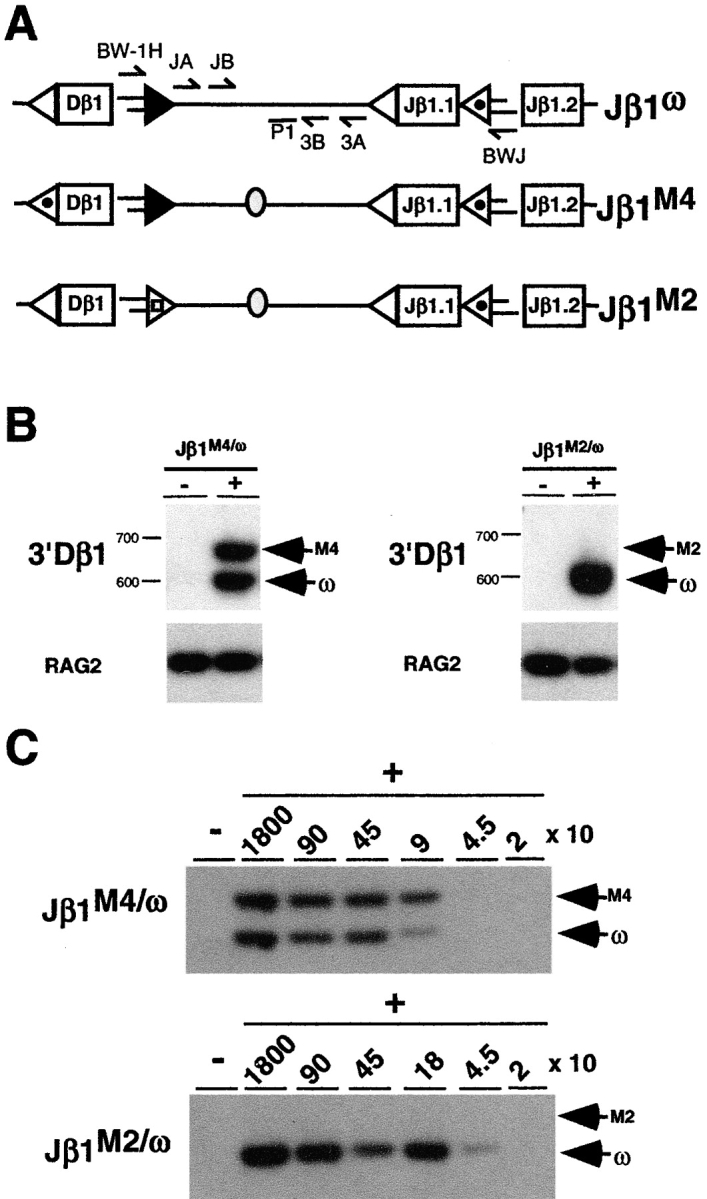
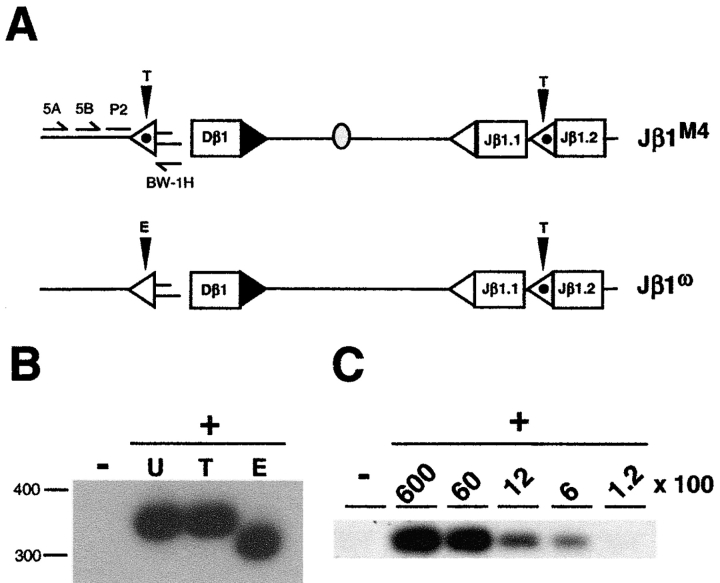
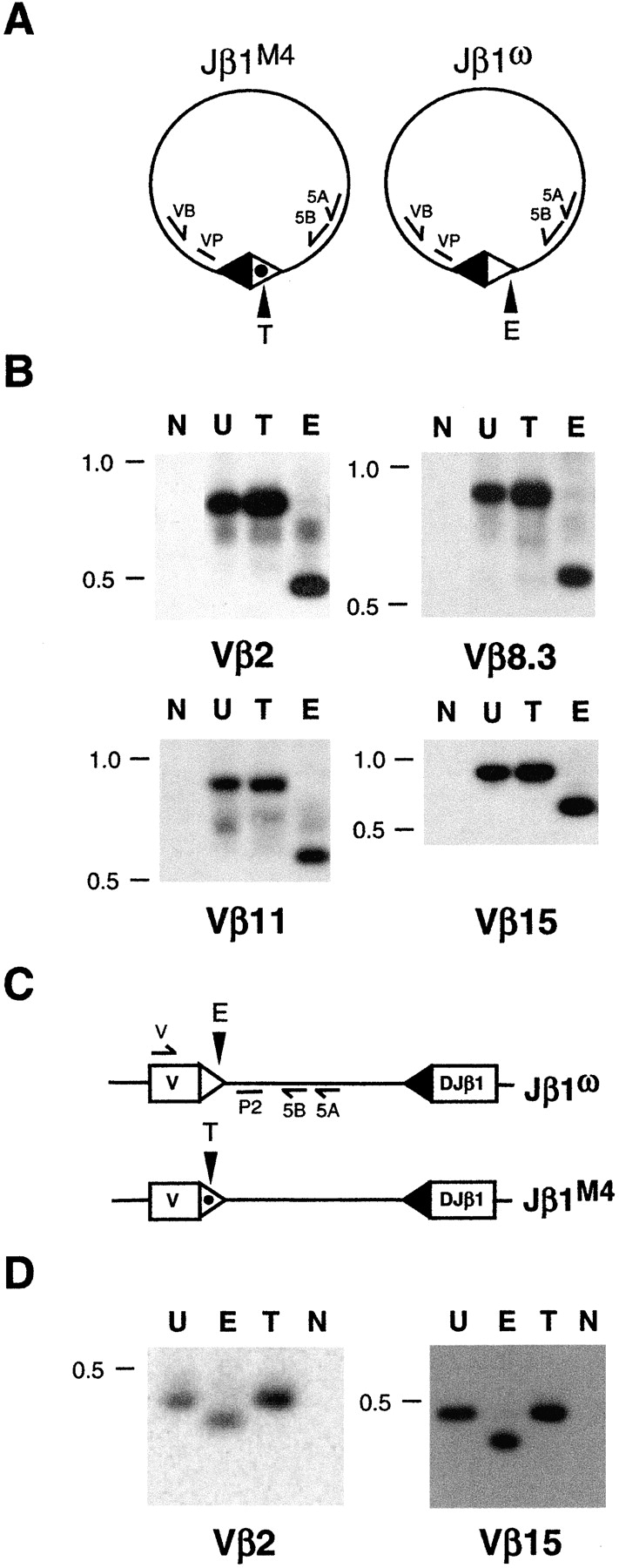
Antigen receptor loci are composed of numerous variable (V), diversity (D), and joining (J) gene segments, each flanked by recombination signal sequences (RSSs). The V(D)J recombination reaction proceeds through RSS recognition and DNA cleavage steps making it possible for multiple DNA double strand breaks (DSBs) to be introduced at a single locus. Here we use ligation-mediated PCR to analyze DNA cleavage intermediates in thymocytes from mice with targeted RSS mutations at the endogenous TCRbeta locus. We show that DNA cleavage does not occur at individual RSSs but rather must be coordinated between RSS pairs flanking gene segments that ultimately form coding joins. Coordination of the DNA cleavage step occurs over great distances in the chromosome and favors intra- over interchromosomal recombination. Furthermore, through several restrictions imposed on the generation of both nonpaired and paired DNA DSBs, this requirement promotes antigen receptor gene integrity and genomic stability in developing lymphocytes undergoing V(D)J recombination.
抗原受体基因座由众多可变(V)、多样(D)和连接(J)基因片段组成,每个片段两侧都有重组信号序列(RSS)。V(D)J重组反应通过RSS识别和DNA切割步骤进行,使得在单个基因座上能够引入多个DNA双链断裂(DSB)。在这里,我们使用连接介导的PCR来分析内源性TCRβ基因座发生靶向RSS突变的小鼠胸腺细胞中的DNA切割中间体。我们发现,DNA切割并非发生在单个RSS处,而是必须在最终形成编码连接的基因片段两侧的RSS对之间进行协调。DNA切割步骤的协调发生在染色体上的远距离处,并且更倾向于染色体内而非染色体间的重组。此外,通过对未配对和配对DNA DSB产生的几种限制,这种要求促进了正在进行V(D)J重组的发育中淋巴细胞中的抗原受体基因完整性和基因组稳定性。