Lindsten Kristina, de Vrij Femke M S, Verhoef Lisette G G C, Fischer David F, van Leeuwen Fred W, Hol Elly M, Masucci Maria G, Dantuma Nico P
Microbiology and Tumor Biology Center, Karolinska Institutet, S-171 77 Stockholm, Sweden.
J Cell Biol. 2002 Apr 29;157(3):417-27. doi: 10.1083/jcb.200111034.
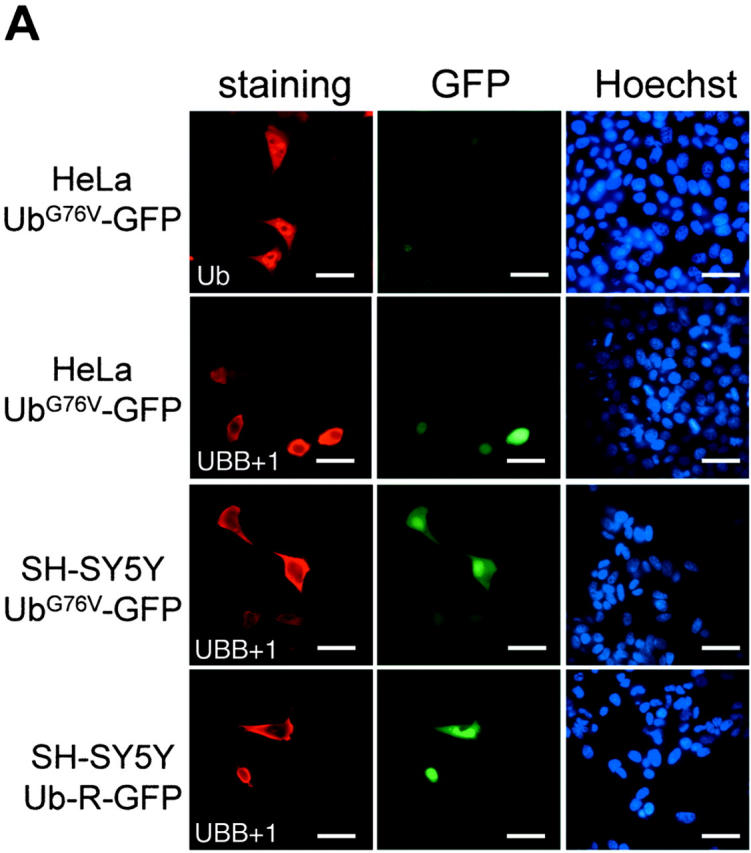
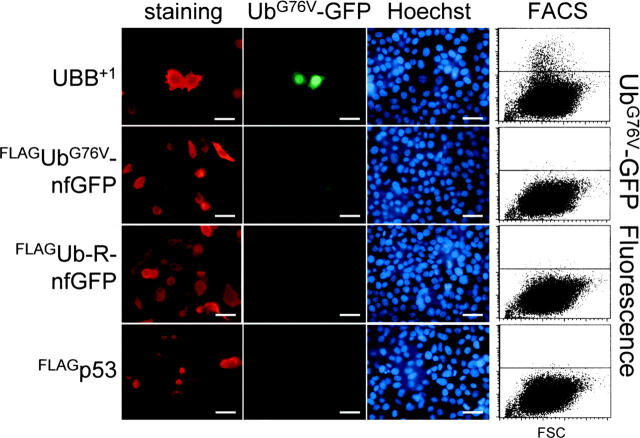
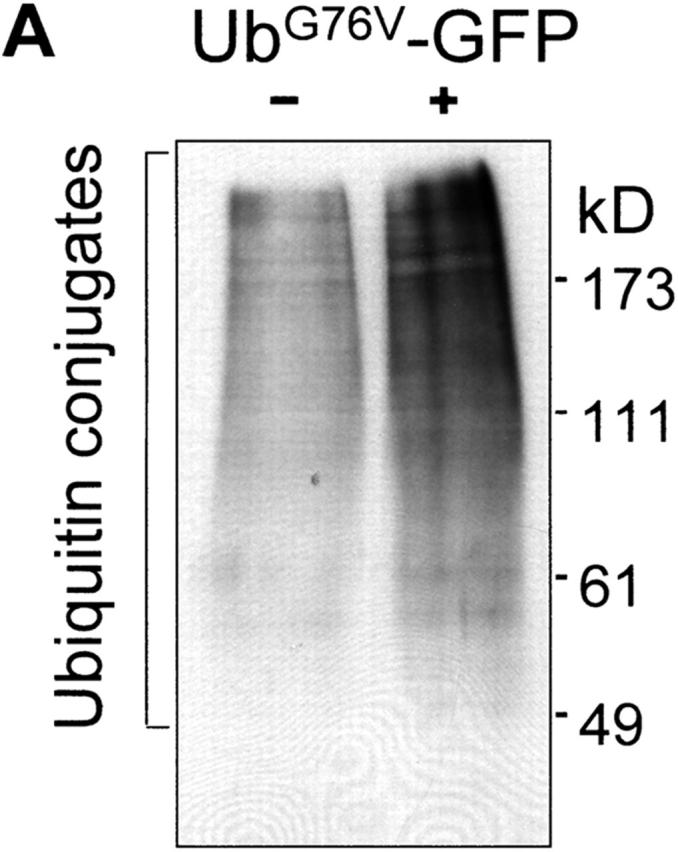
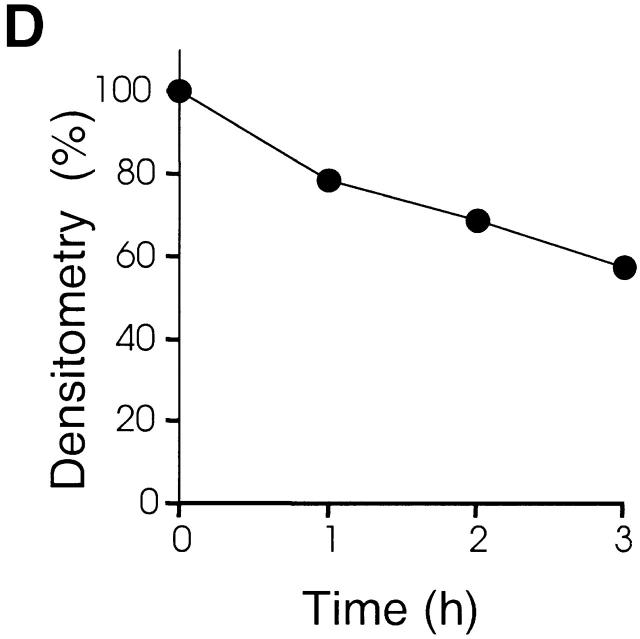
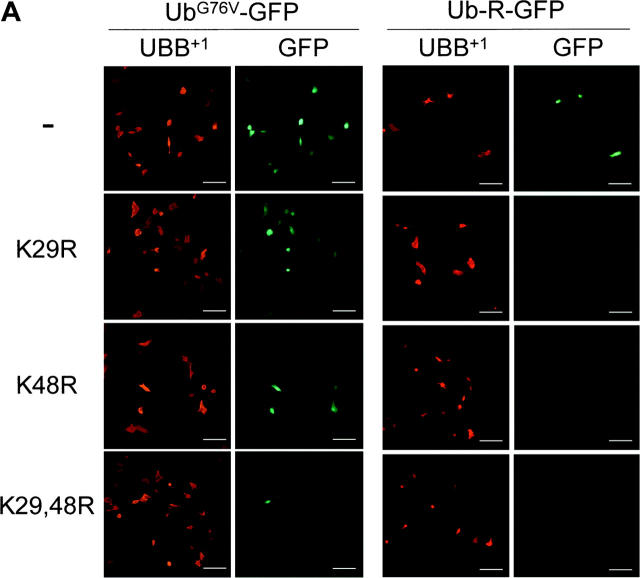
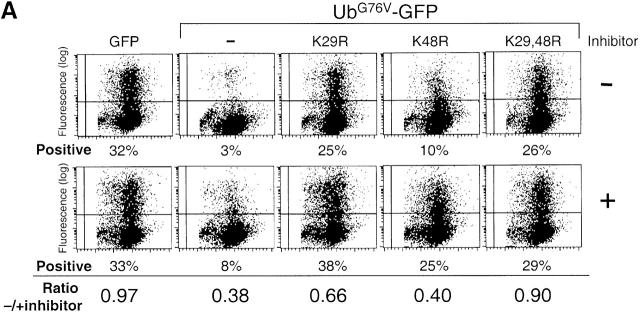
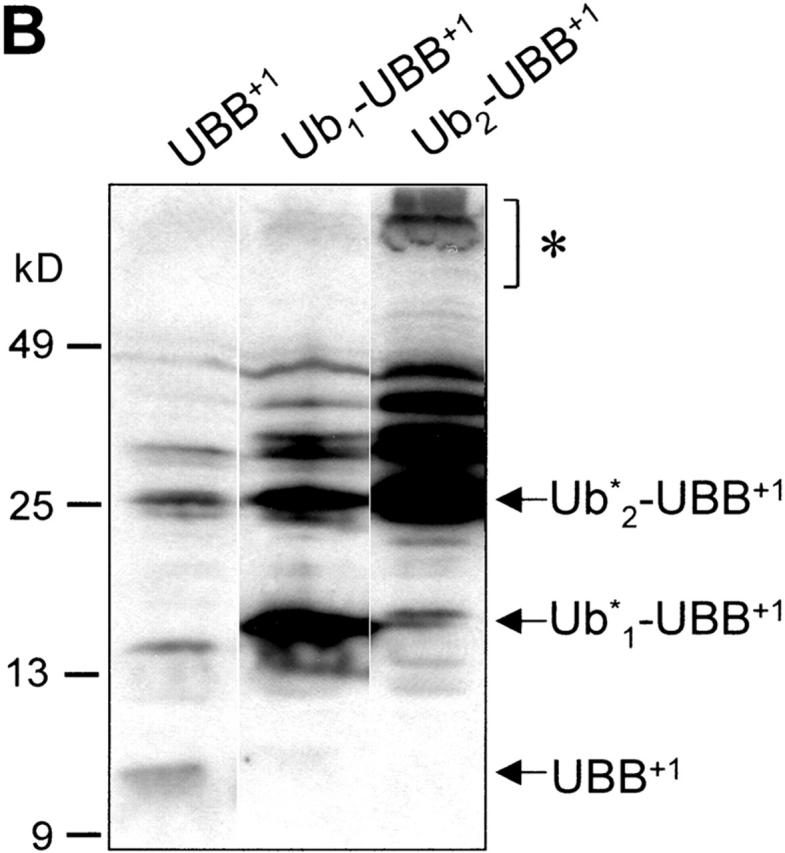
Loss of neurons in neurodegenerative diseases is usually preceded by the accumulation of protein deposits that contain components of the ubiquitin/proteasome system. Affected neurons in Alzheimer's disease often accumulate UBB(+1), a mutant ubiquitin carrying a 19-amino acid C-terminal extension generated by a transcriptional dinucleotide deletion. Here we show that UBB(+1) is a potent inhibitor of ubiquitin-dependent proteolysis in neuronal cells, and that this inhibitory activity correlates with induction of cell cycle arrest. Surprisingly, UBB(+1) is recognized as a ubiquitin fusion degradation (UFD) proteasome substrate and ubiquitinated at Lys29 and Lys48. Full blockade of proteolysis requires both ubiquitination sites. Moreover, the inhibitory effect was enhanced by the introduction of multiple UFD signals. Our findings suggest that the inhibitory activity of UBB(+1) may be an important determinant of neurotoxicity and contribute to an environment that favors the accumulation of misfolded proteins.
神经退行性疾病中神经元的丧失通常先于含有泛素/蛋白酶体系统成分的蛋白质沉积物的积累。阿尔茨海默病中受影响的神经元经常积累UBB(+1),这是一种突变泛素,其携带由转录二核苷酸缺失产生的19个氨基酸的C末端延伸。我们在此表明,UBB(+1)是神经元细胞中泛素依赖性蛋白水解的有效抑制剂,并且这种抑制活性与细胞周期停滞的诱导相关。令人惊讶的是,UBB(+1)被识别为泛素融合降解(UFD)蛋白酶体底物,并在Lys29和Lys48处被泛素化。蛋白水解的完全阻断需要两个泛素化位点。此外,通过引入多个UFD信号增强了抑制作用。我们的研究结果表明,UBB(+1)的抑制活性可能是神经毒性的重要决定因素,并有助于形成有利于错误折叠蛋白质积累的环境。