Rossbacher Joerg, Shlomchik Mark J
Serction of Immunobiology and Department of Laboratory Medicine, Yale University School of Medicine, New Haven, CT 06520-8035, USA.
J Exp Med. 2003 Aug 18;198(4):591-602. doi: 10.1084/jem.20022042.
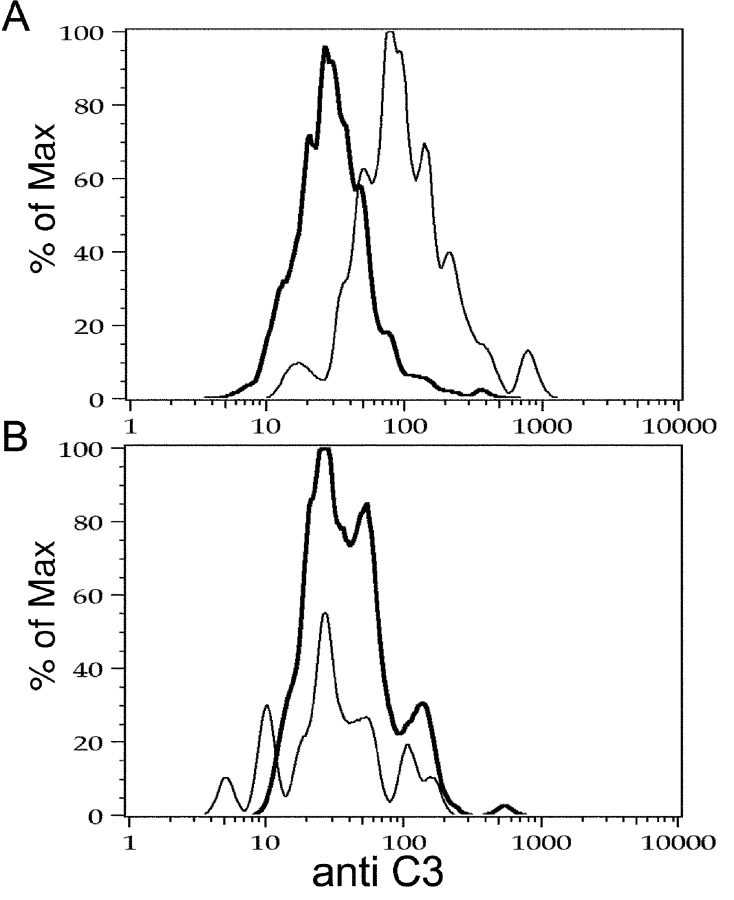
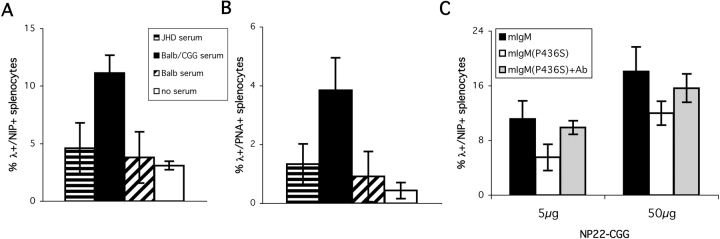
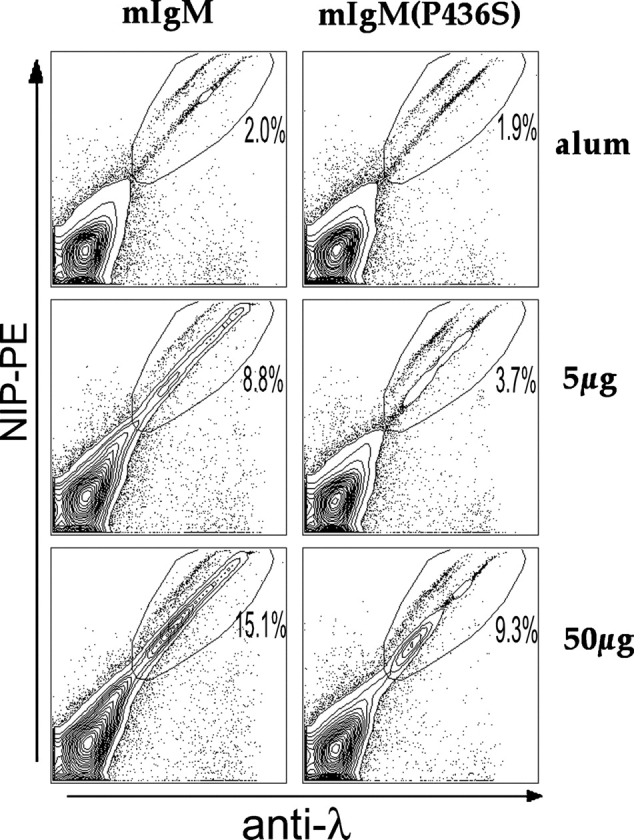
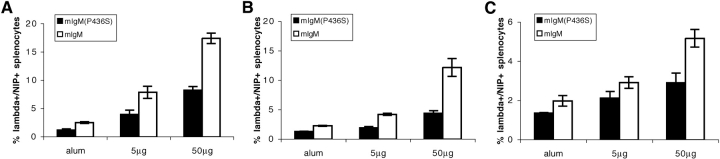
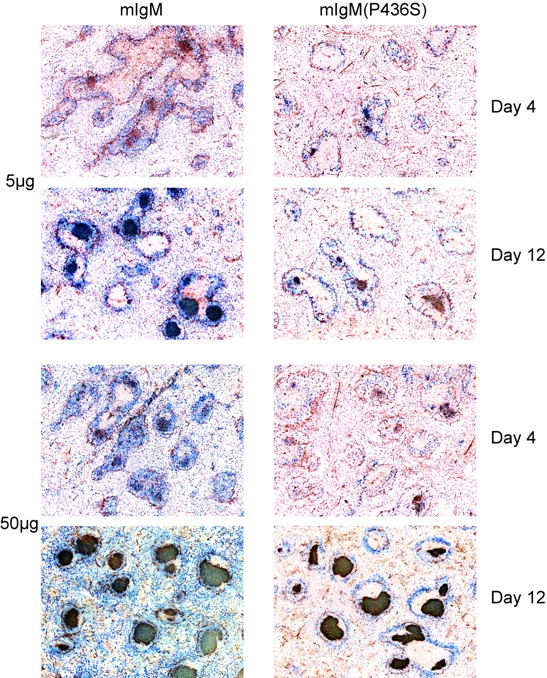
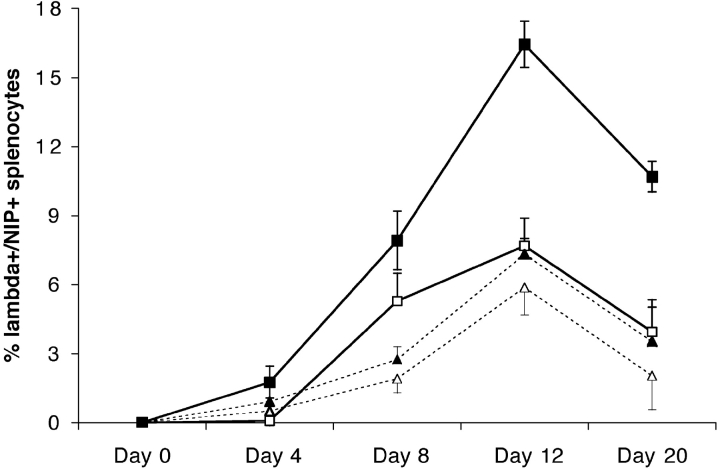
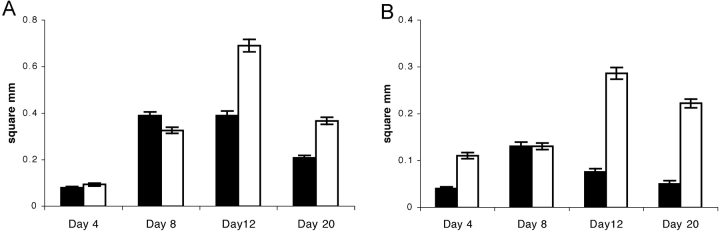
B cells express complement receptors (CRs) that bind activated fragments of C3 and C4. Immunized CR knockout (KO) mice have lower antibody titers and smaller germinal centers (GCs), demonstrating the importance of CR signals for the humoral immune response. CR ligands were thought to be generated via complement fixation mediated by preexisting "natural" IgM or early Ab from inefficiently activated B cells. This concept was recently challenged by a transgenic (Tg) mouse model that lacks circulating antibody but still retains membrane IgM (mIgM) and mounts normal immune responses. To test whether CR ligands could be generated by the B cell receptor (BCR) itself, we generated similar mice carrying a mutated mIgM that was defective in C1q binding. We found that B cells from such mutant mice do not deposit C3 on B cells upon BCR ligation, in contrast to B cells from mIgM mice. This has implications for the immune response: the mutant mice have smaller GCs than mIgM mice, and they are particularly deficient in the maintenance of the GC response. These results demonstrate a new BCR-dependent pathway that is sufficient and perhaps necessary to provide a CR1/2 ligand that promotes efficient B cell activation.
B细胞表达可结合C3和C4活化片段的补体受体(CRs)。免疫后的CR基因敲除(KO)小鼠抗体滴度较低,生发中心(GCs)较小,这表明CR信号对体液免疫反应很重要。CR配体被认为是由预先存在的“天然”IgM或低效活化B细胞产生的早期抗体介导的补体固定作用产生的。最近,一个缺乏循环抗体但仍保留膜IgM(mIgM)并能产生正常免疫反应的转基因(Tg)小鼠模型对这一概念提出了挑战。为了测试CR配体是否可以由B细胞受体(BCR)自身产生,我们培育了携带在C1q结合方面有缺陷的突变型mIgM的类似小鼠。我们发现,与mIgM小鼠的B细胞相比,此类突变小鼠的B细胞在BCR连接后不会在B细胞上沉积C3。这对免疫反应有影响:突变小鼠的GCs比mIgM小鼠小,并且它们在维持GC反应方面特别不足。这些结果证明了一条新的BCR依赖性途径,该途径足以且可能是提供促进有效B细胞活化的CR1/2配体所必需的。