Stern H J, Saal H M, Lee J S, Fain P R, Goldgar D E, Rosenbaum K N, Barker D F
Department of Medical Genetics, Children's National Medical Center, Washington, DC.
J Med Genet. 1992 Mar;29(3):184-7. doi: 10.1136/jmg.29.3.184.
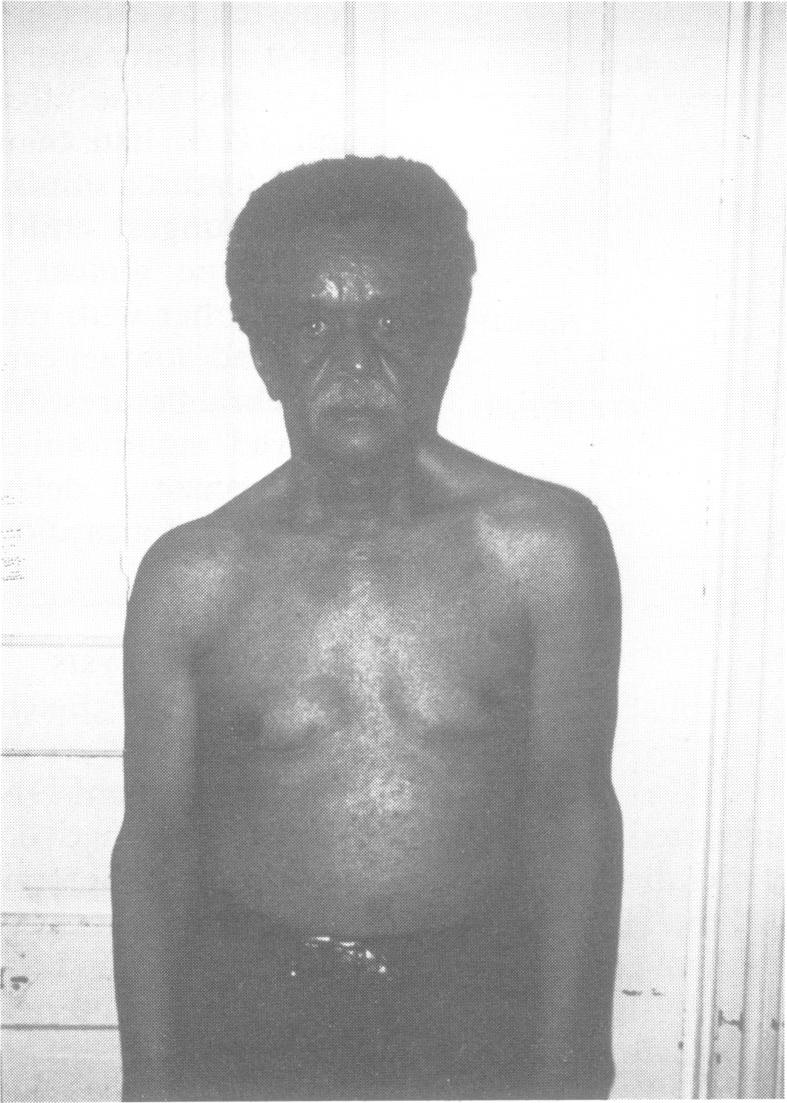
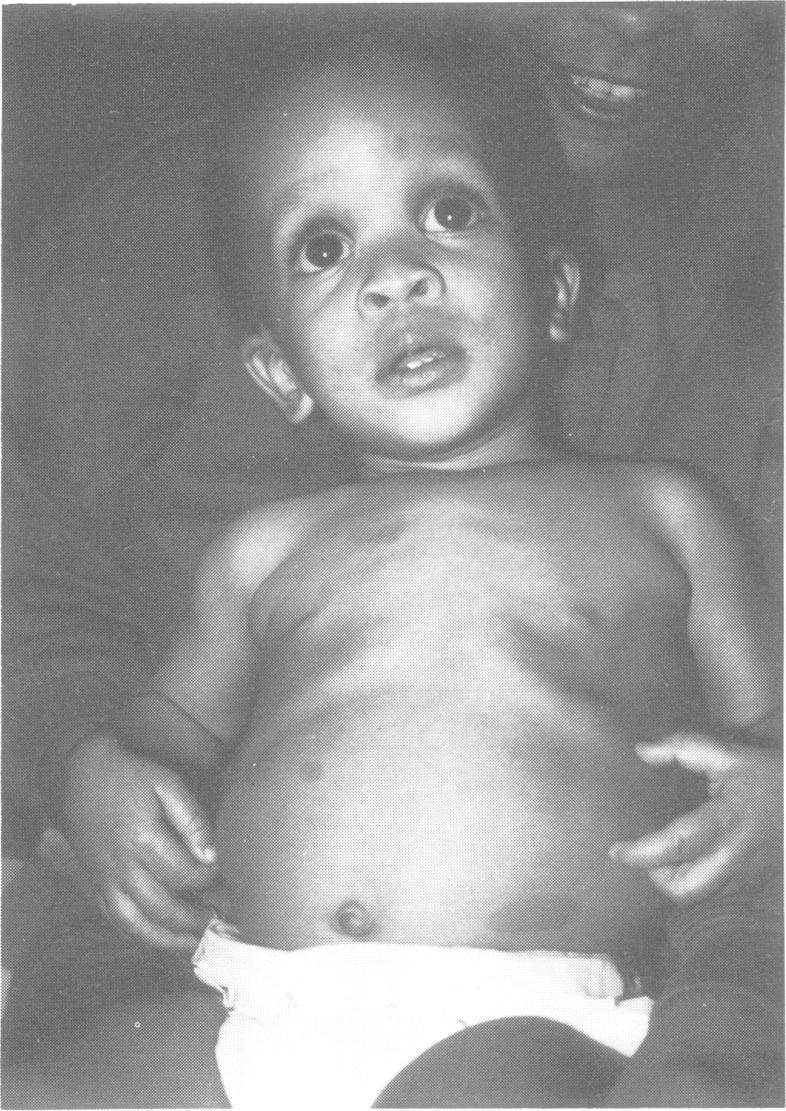
Detailed clinical, ophthalmological, and molecular studies were performed on a multigeneration family in which there were many subjects with type 1 neurofibromatosis, a common autosomal dominant disorder. Affected family members displayed a wide range of clinical findings including, in two subjects, features seen in Noonan syndrome (triangular facies, downward slanting palpebral fissures, micrognathia, short stature, and learning disability). Subjects have been described previously whose features have overlapped with neurofibromatosis and Noonan syndrome, and it has been suggested that these persons might represent a separate condition. DNA haplotype analysis showed linkage of the neurofibromatosis phenotype seen in this family to the proximal long arm of chromosome 17 in the region where the type 1 neurofibromatosis gene has been mapped. These results imply that the Noonan phenotype seen in some patients with type 1 neurofibromatosis might be the result of variable or variant expression of the neurofibromatosis gene on chromosome 17. The possible role of non-specific factors, such as fetal hypotonia, in producing the neurofibromatosis-Noonan phenotype needs further investigation. The availability of closely linked and intragenic molecular markers for neurofibromatosis could potentially be useful in the diagnosis and characterisation of patients and families with atypical forms of neurofibromatosis.
对一个多代家族进行了详细的临床、眼科和分子研究,该家族中有许多患有1型神经纤维瘤病的个体,这是一种常见的常染色体显性疾病。受影响的家庭成员表现出广泛的临床症状,其中两名患者具有努南综合征的特征(三角形脸、睑裂向下倾斜、小颌畸形、身材矮小和学习障碍)。此前已有特征与神经纤维瘤病和努南综合征重叠的患者描述,有人认为这些人可能代表一种单独的病症。DNA单倍型分析显示,该家族中所见的神经纤维瘤病表型与17号染色体长臂近端已定位1型神经纤维瘤病基因的区域连锁。这些结果表明,一些1型神经纤维瘤病患者中出现的努南表型可能是17号染色体上神经纤维瘤病基因可变或变异表达的结果。非特异性因素,如胎儿张力减退,在产生神经纤维瘤病-努南表型中的可能作用需要进一步研究。神经纤维瘤病紧密连锁和基因内分子标记的可用性可能对非典型神经纤维瘤病患者及其家系的诊断和特征描述有潜在帮助。