Nakagawa S, Yano T, Nakagawa K, Takizawa S, Suzuki Y, Yasugi T, Huibregtse J M, Taketani Y
Department of Obstetrics and Gynecology, Graduate school of Medicine, University of Tokyo, Hongo 7-3-1 Bunkyo-ku, Tokyo 113-8655, Japan.
Br J Cancer. 2004 Jan 12;90(1):194-9. doi: 10.1038/sj.bjc.6601465.
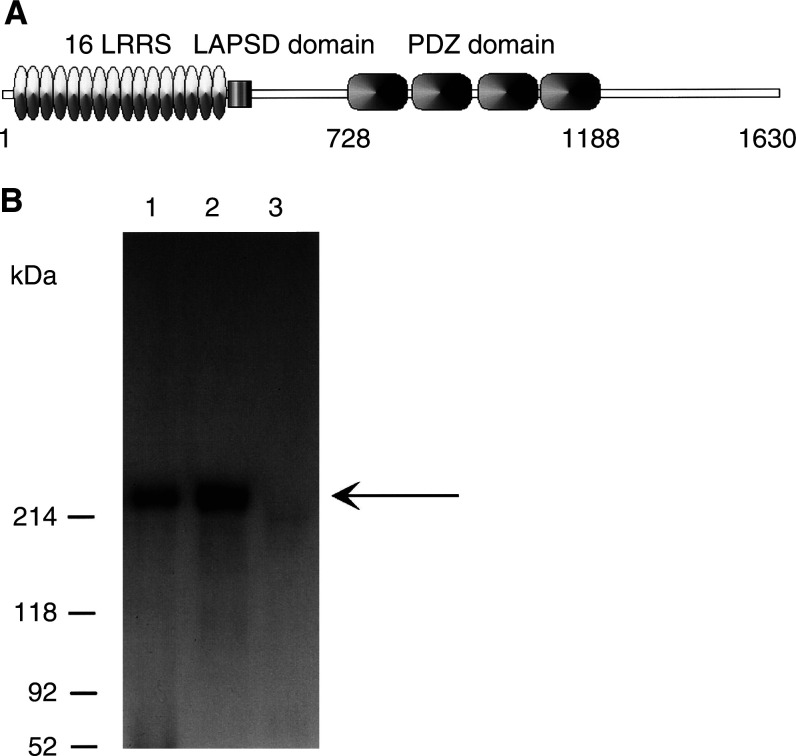
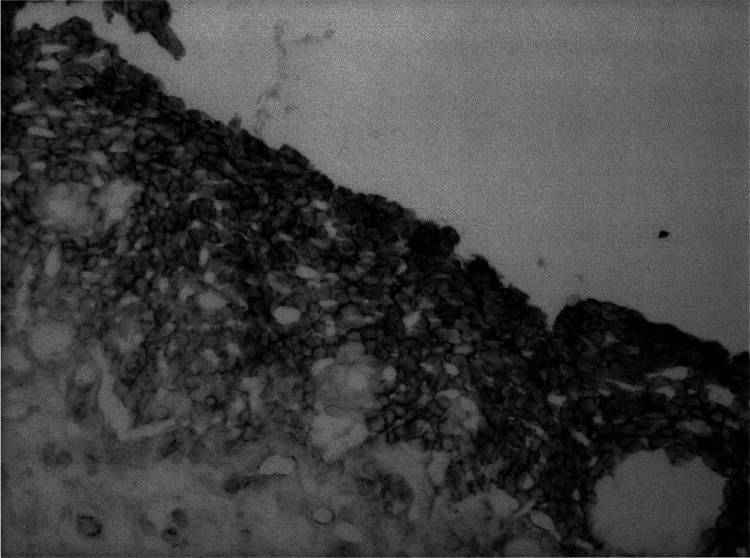
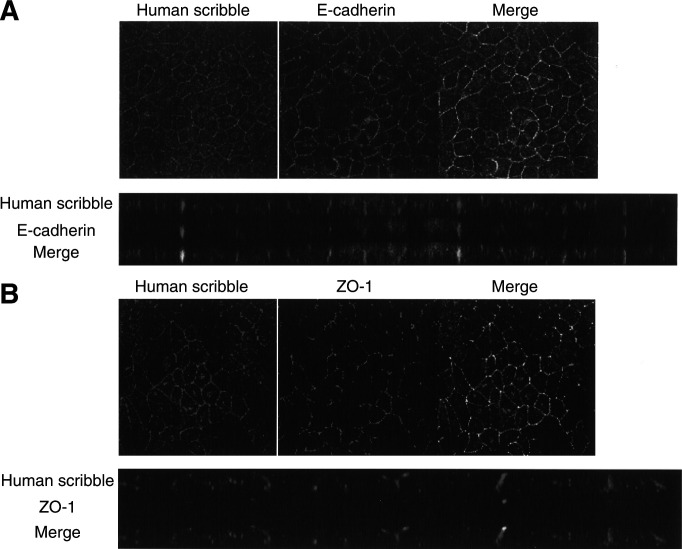
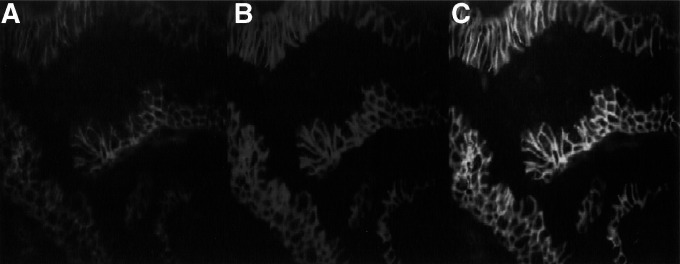
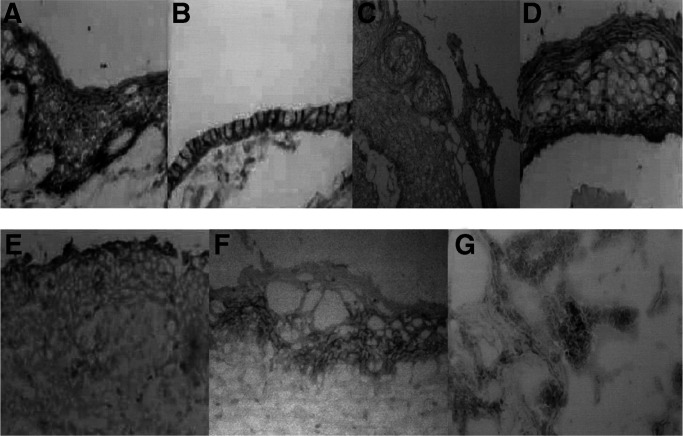
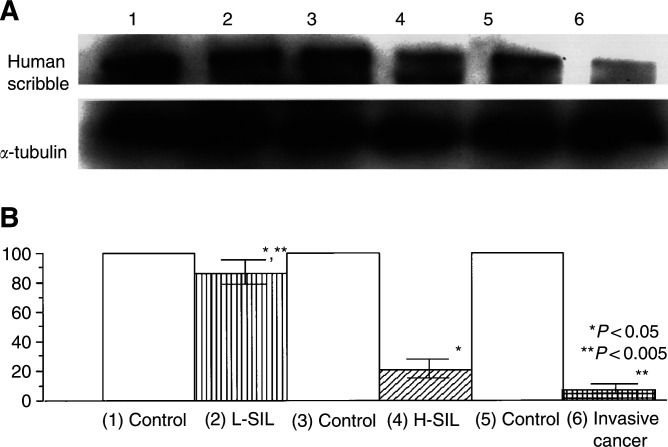
Recently, a LAP protein, scribble, was identified in Drosophila epithelia as a basolateral protein that controls the apical-basolateral polarity. Loss of scribble causes disorganisation and overgrowth of the epithelia. Scribble has a human homologue, human scribble (hScrib), which is a substrate of ubiquitin-mediated degradation by human papillomavirus E6 and the E6AP ubiquitin-protein ligase. In the present study, we revealed that hScrib localised to the basolateral regions of the epithelial cell line MDCK and human uterine cervical epithelial tissues by immunofluorescence. Human scribble colocalised rather with the adherens junction protein E-cadherin, but not with the tight junction protein ZO-1. Histochemical analysis showed a dramatic decrease in the expression of hScrib with the progression of disease from normal uterine cervical tissues to invasive cervical cancers through the precursor lesions. In contrast, the expression of hScrib was retained in the throughout epithelial layer of the HPV-negative cervical high-grade squamous intraepithelial lesions (H-SIL). Although quantitative RT-PCR revealed no significant downregulation of hScrib mRNA expression in the H-SIL, it revealed a clear downregulation in the invasive cancers. These results suggest the possibility that degradation by HPV E6 is one of the causal roles for the progressive decrease of hScrib expression during the disease progression from low-grade squamous intraepithelial lesions to H-SIL, and a cooperative role of downregulation of hScrib mRNA expression and ubiquitin-mediated degradation of hScrib by E6 and E6AP led to the complete decrease of hScrib expression during the process of carcinogenesis from H-SIL to invasive cancer. These data underscore the importance of hScrib in the construction of tissue architecture and prevention of cancer development.
最近,一种名为scribble的LAP蛋白在果蝇上皮细胞中被鉴定为一种控制顶-基极性的基底外侧蛋白。scribble缺失会导致上皮细胞紊乱和过度生长。Scribble有一个人类同源物,即人类scribble(hScrib),它是人类乳头瘤病毒E6和E6AP泛素蛋白连接酶介导的泛素化降解的底物。在本研究中,我们通过免疫荧光揭示hScrib定位于上皮细胞系MDCK和人子宫颈上皮组织的基底外侧区域。人类scribble与黏附连接蛋白E-钙黏蛋白共定位,而不与紧密连接蛋白ZO-1共定位。组织化学分析表明,随着疾病从正常子宫颈组织通过前驱病变发展到浸润性宫颈癌,hScrib的表达显著降低。相比之下,hScrib的表达在HPV阴性的子宫颈高级别鳞状上皮内病变(H-SIL)的整个上皮层中得以保留。尽管定量RT-PCR显示H-SIL中hScrib mRNA表达没有明显下调,但在浸润性癌中显示出明显下调。这些结果表明,HPV E6介导的降解可能是在疾病从低级别鳞状上皮内病变发展到H-SIL过程中hScrib表达逐渐降低的原因之一,并且hScrib mRNA表达下调以及E6和E6AP介导的hScrib泛素化降解的协同作用导致了在从H-SIL发展到浸润性癌的致癌过程中hScrib表达完全降低。这些数据强调了hScrib在组织结构构建和预防癌症发展中的重要性。