Chan R C-F, Pang X-W, Wang Y-D, Chen W-F, Xie Y
Department of Biology, The Hong Kong University of Science and Technology, Clear Water Bay, Kowloon, Hong Kong SAR, China.
Br J Cancer. 2004 Apr 19;90(8):1636-43. doi: 10.1038/sj.bjc.6601706.
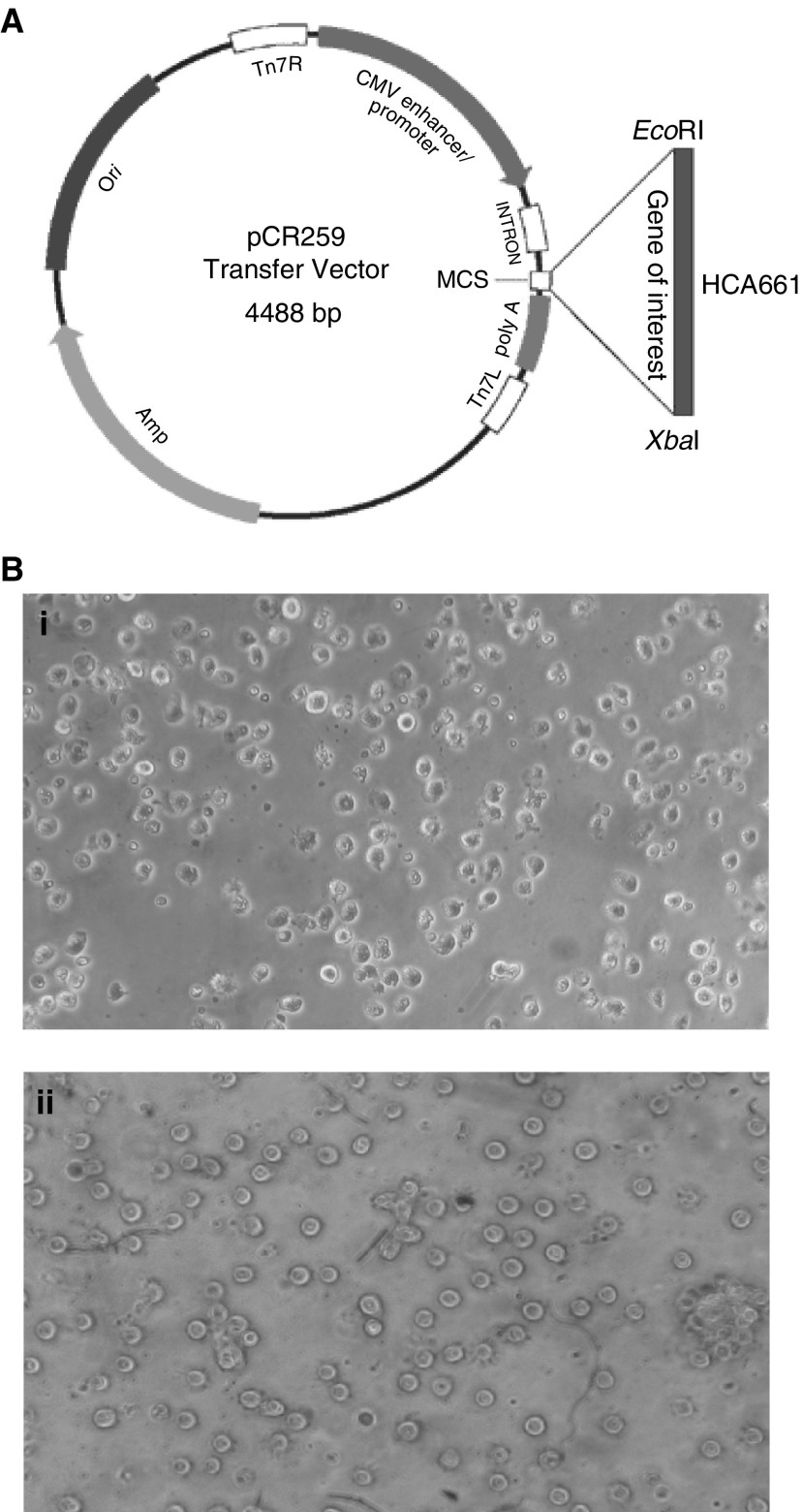
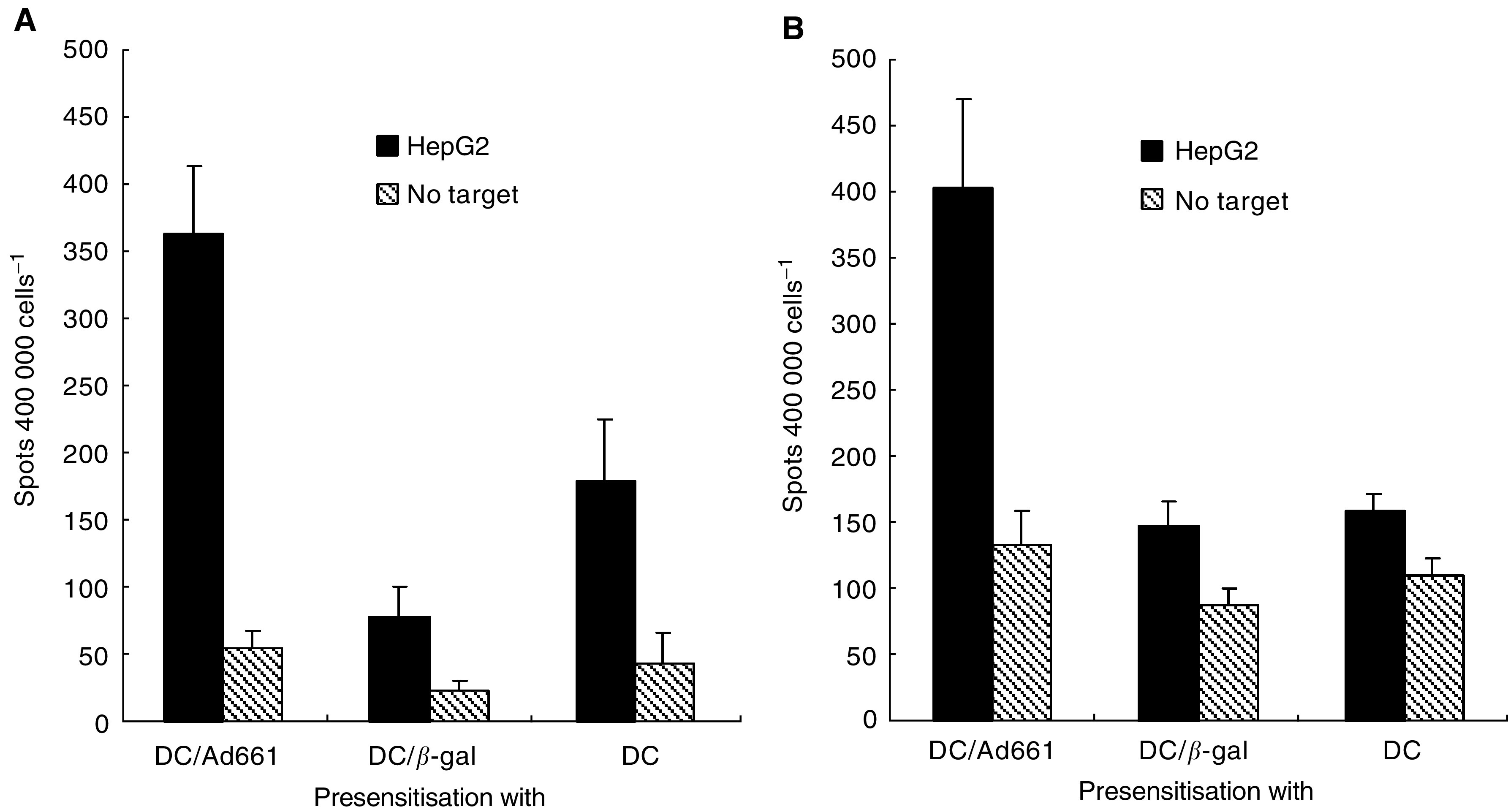
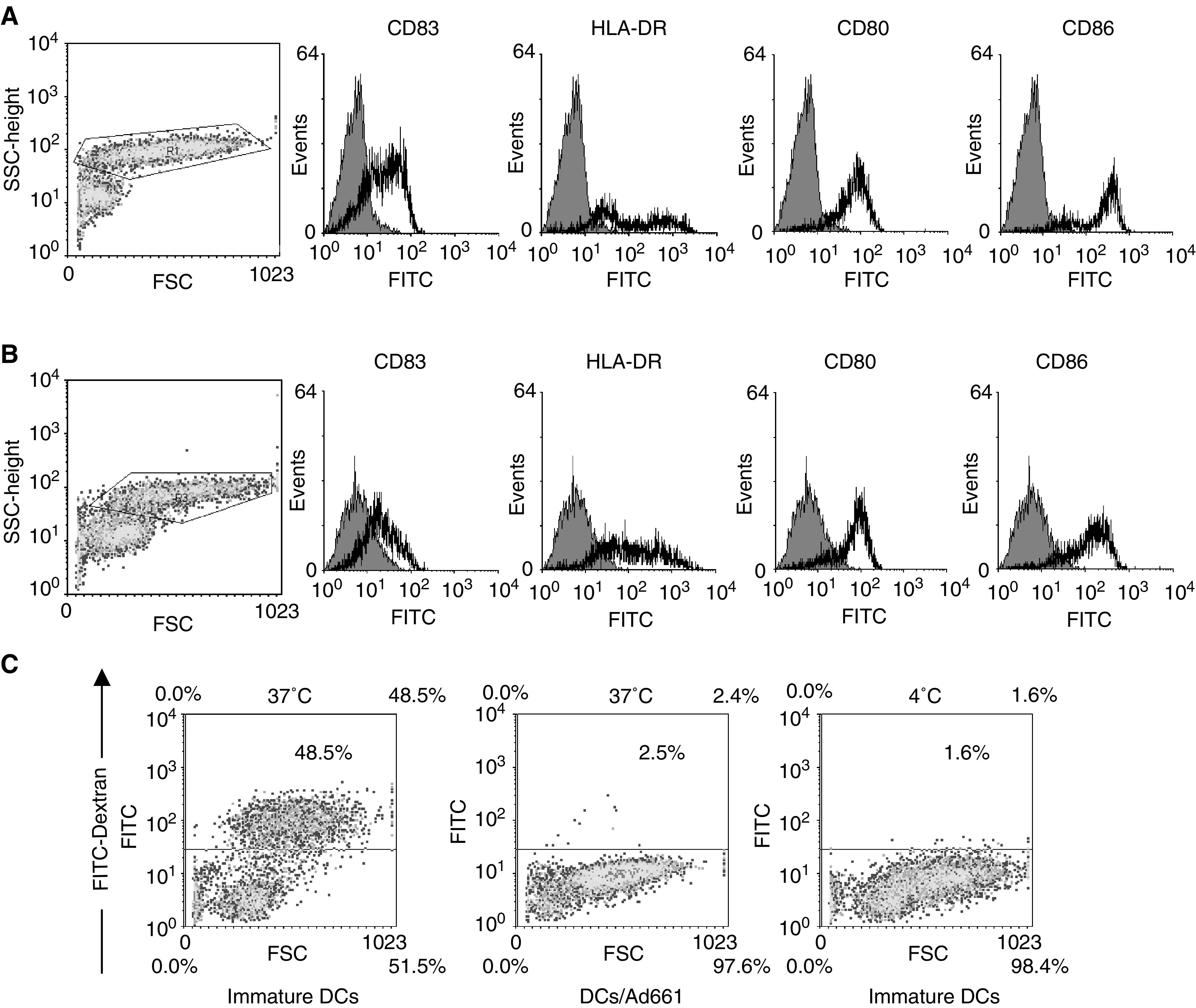
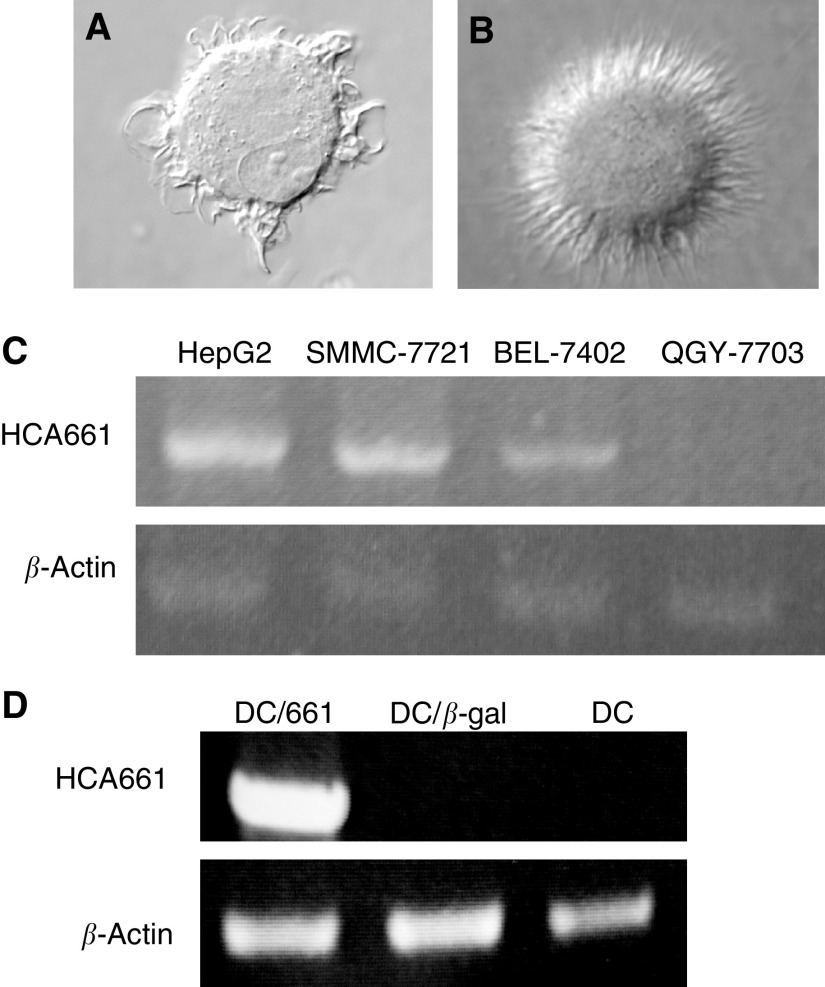
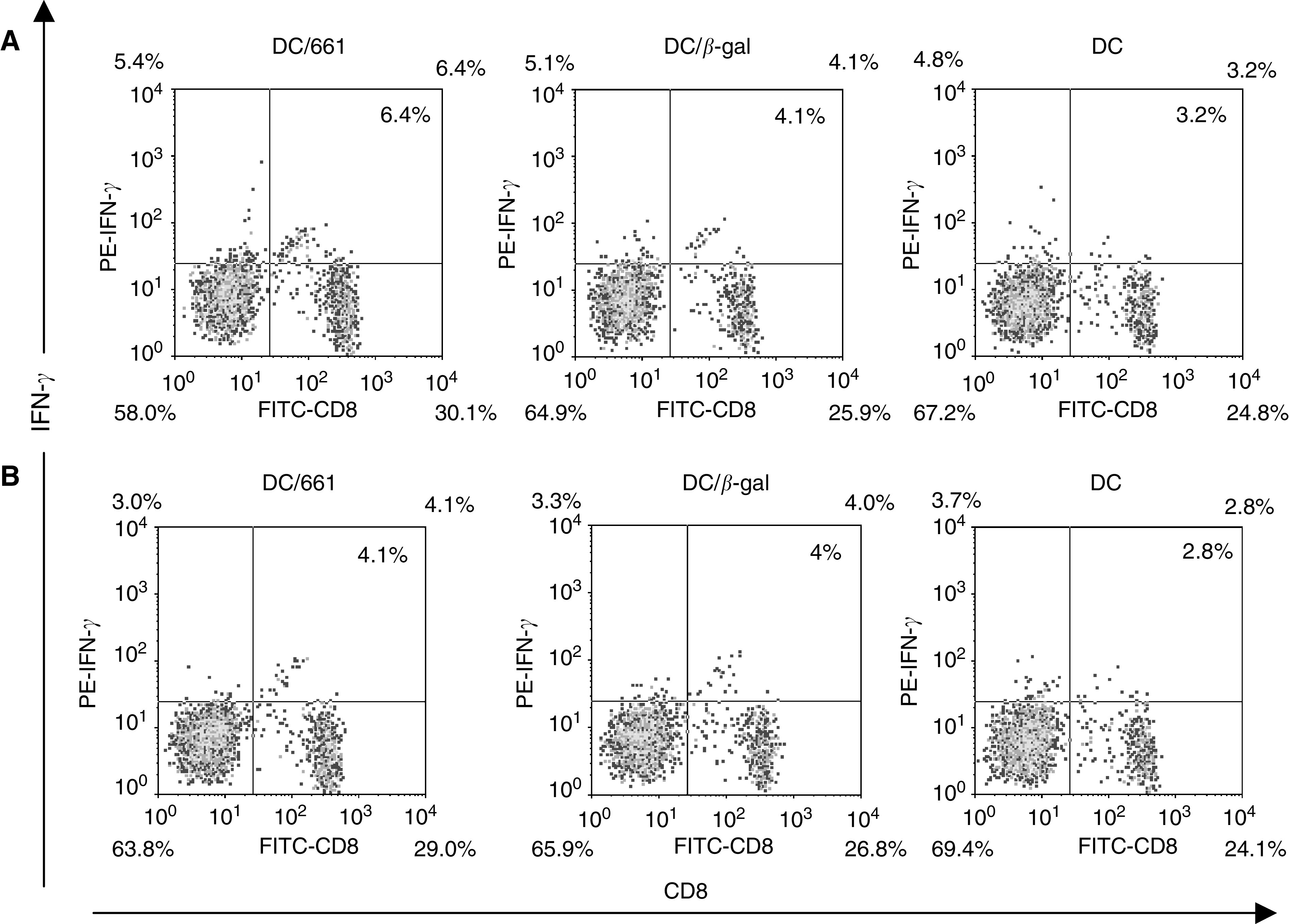
Transduction of recombinant adenovirus into dendritic cells (DCs) is a promising new tool for cancer vaccine development. Here, we report that an adenovirus vector carrying hepatocellular carcinoma (HCC) antigen HCA661 and infected into DCs generates T-cell immunity against hepatoma cells. HCA661 is a novel cancer/testis (CT) antigen screened by SEREX from sera of an HCC patient. We constructed a recombinant adenovirus expressing the full-length cDNA of HCA661 gene and then transduced immature DCs, which had been generated with GM-CSF and IL-4 from peripheral blood mononuclear cell of HLA-A2(+) healthy donors. The resulting adenovirus-transduced DCs differentiated in the presence of monocyte-conditioned medium and poly [I] : poly [C], expressing the surface markers of mature DCs, including CD83, CD80, CD86 and HLA-DR. After maturation, the transduced DCs transcribed HCA661 mRNA and were able to prime the naïve T cells to become cytotoxic T lymphocytes (CTLs). Intracellular flow cytometry and enzyme-linked immunospot assay showed that these CTLs were able to target a hepatoma cell line, HepG2, which is HLA-A2 and HCA661 positive. In summary, we found that this recombinant adenovirus can help to induce DC maturation and these mature DCs can activate T cells to target hepatoma cells. Therefore, this recombinant adenovirus may have potential for use in liver cancer immunotherapy.
将重组腺病毒转导至树突状细胞(DCs)是癌症疫苗开发中一种很有前景的新工具。在此,我们报告一种携带肝细胞癌(HCC)抗原HCA661并感染DCs的腺病毒载体可产生针对肝癌细胞的T细胞免疫。HCA661是通过SEREX从一名HCC患者血清中筛选出的一种新型癌胚(CT)抗原。我们构建了一种表达HCA661基因全长cDNA的重组腺病毒,然后转导未成熟DCs,这些未成熟DCs是由HLA - A2(+)健康供体的外周血单个核细胞在GM - CSF和IL - 4作用下产生的。所得的腺病毒转导DCs在单核细胞条件培养基和聚肌苷酸:聚胞苷酸存在下分化,表达成熟DCs的表面标志物,包括CD83、CD80、CD86和HLA - DR。成熟后,转导的DCs转录HCA661 mRNA,并能够使幼稚T细胞分化为细胞毒性T淋巴细胞(CTLs)。细胞内流式细胞术和酶联免疫斑点分析表明,这些CTLs能够靶向HLA - A2和HCA661阳性的肝癌细胞系HepG2。总之,我们发现这种重组腺病毒有助于诱导DC成熟,并且这些成熟的DCs能够激活T细胞以靶向肝癌细胞。因此,这种重组腺病毒可能具有用于肝癌免疫治疗的潜力。