
平板运动试验结果为阴性随后发生心肌梗死及冠状动脉搭桥术:病例报告
NEGATIVE TREADMILL EXERCISE TEST RESULT WITH SUBSEQUENT MYOCARDIAL INFARCTION AND CORONARY ARTERY BYPASS: CASE REPORT.
作者信息
Benrey Jaime, Dear Wayne E., Cooley Denton A.
机构信息
Divisions of Cardiology and Surgery of the Texas Heart Institute, St. Luke's Episcopal and Texas Children's Hospitals, Houston, Texas.
出版信息
Cardiovasc Dis. 1978 Dec;5(4):391-396.
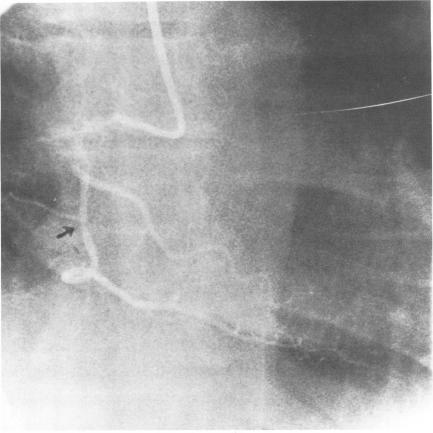
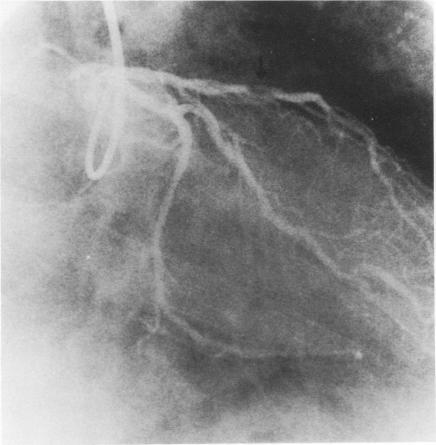
Myocardial infarction is a rare complication of maximal exercise testing.(1) In the case presented here, infarction occurred in a 54-year-old man, 14 minutes after he showed a normal response to maximal multistage treadmill exercise testing. The presence of coronary artery disease had been documented angiographically prior to exercise testing. After infarction, the patient underwent emergency double aortocoronary bypass to the left anterior descending and right coronary arteries with good results. Clinical evidence suggests that the extent of myocardial necrosis was reduced by timely surgical intervention. There is no conclusive explanation for this patient's normal response to maximal exercise testing in the presence of advanced coronary artery occlusive disease followed rapidly by infarction. The value of exercise testing is well established in assessing the existence or severity of coronary artery disease; a normal response, however, cannot be used as an infallible indication that critical coronary artery disease does not exist.
心肌梗死是极量运动试验的一种罕见并发症。(1) 在本文所述病例中,一名54岁男性在对极量多级平板运动试验显示正常反应14分钟后发生了心肌梗死。运动试验前已通过血管造影记录了冠状动脉疾病的存在。心肌梗死后,患者接受了紧急左前降支和右冠状动脉双主动脉冠状动脉搭桥手术,效果良好。临床证据表明,及时的手术干预减少了心肌坏死的范围。对于该患者在存在晚期冠状动脉闭塞性疾病的情况下对极量运动试验的正常反应随后迅速发生心肌梗死,尚无确凿的解释。运动试验在评估冠状动脉疾病的存在或严重程度方面的价值已得到充分确立;然而,正常反应不能用作不存在严重冠状动脉疾病的绝对指标。
 Zotero 插件