Krona C, Ejeskär K, Carén H, Abel F, Sjöberg R-M, Martinsson T
1Department of Clinical Genetics, Institute for the Health of Women and Children, Göteborg University, Sahlgrenska University Hospital-East, SE-41685 Gothenburg, Sweden.
Br J Cancer. 2004 Sep 13;91(6):1119-30. doi: 10.1038/sj.bjc.6602083.
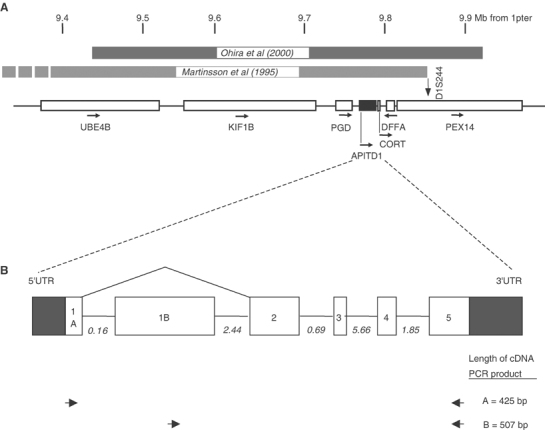
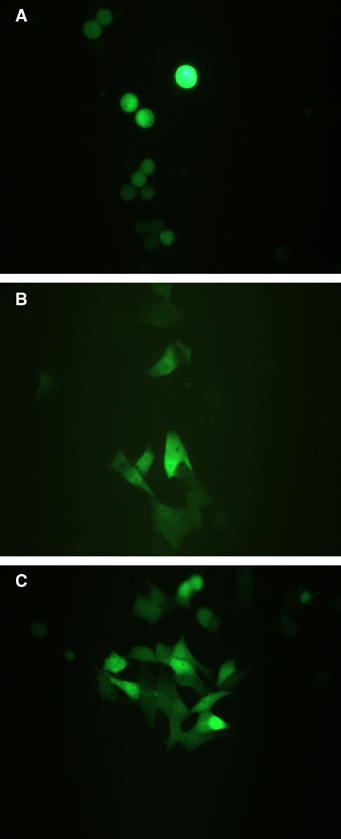
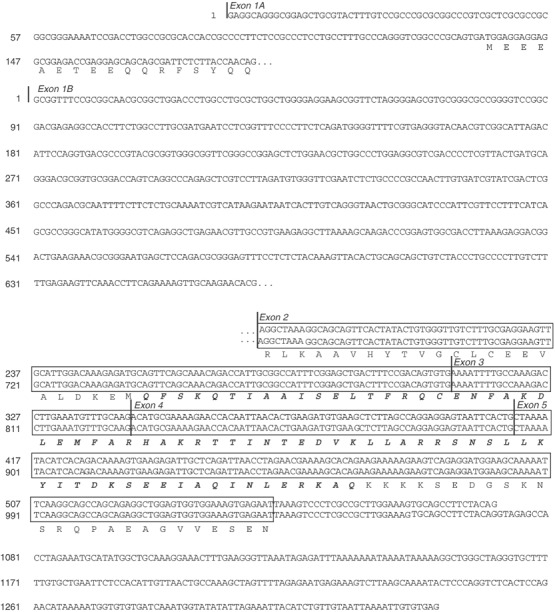
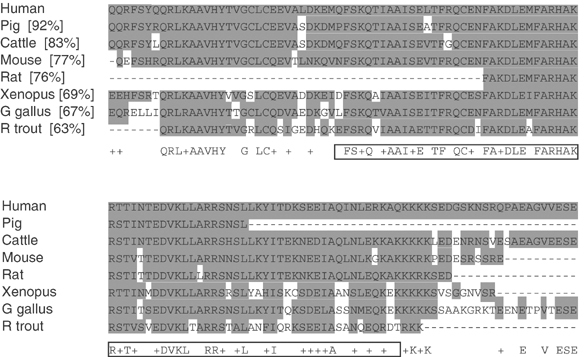
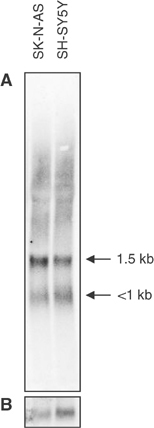
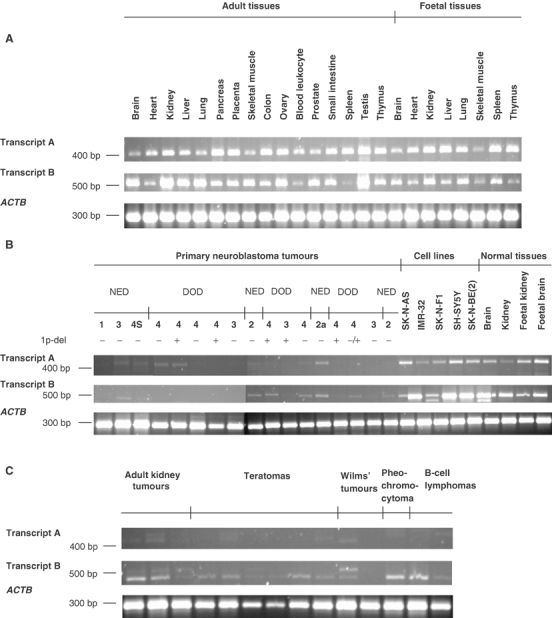
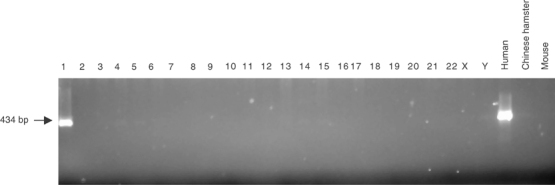
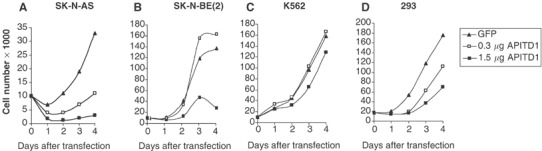
Neuroblastoma is characterised by a lack of TP53 mutations and no other tumour suppressor gene consistently inactivated has yet been identified in this childhood cancer form. Characterisation of a new gene, denoted APITD1, in the neuroblastoma tumour suppressor candidate region in chromosome 1p36.22 reveals that APITD1 contains a predicted TFIID-31 domain, representing the TATA box-binding protein-associated factor, TAF(II)31, which is required for p53-mediated transcription activation. Two different transcripts of this gene were shown to be ubiquitously expressed, one of them with an elevated expression in foetal tissues. Primary neuroblastoma tumours of all different stages showed either very weak or no measurable APITD1 expression, contrary to the level of expression observed in neuroblastoma cell lines. A reduced pattern of expression was also observed in a set of various tumour types. APITD1 was functionally tested by adding APITD1 mRNA to neuroblastoma cells, leading to the cell growth to be reduced up to 90% compared to control cells, suggesting APITD1 to have a role in a cell death pathway. Furthermore, we determined the genomic organisation of APITD1. Automated genomic DNA sequencing of the coding region of the gene as well as the promoter sequence in 44 neuroblastoma tumours did not reveal any loss-of-function mutations, indicating that mutations in APITD1 is not a common abnormality of neuroblastoma tumours. We suggest that low expression of this gene might interfere with the ability for apoptosis through the p53 pathway.
神经母细胞瘤的特征是缺乏TP53突变,并且在这种儿童癌症类型中尚未发现其他持续失活的肿瘤抑制基因。对位于1p36.22染色体上神经母细胞瘤肿瘤抑制候选区域的一个新基因(命名为APITD1)的表征显示,APITD1含有一个预测的TFIID-31结构域,代表TATA盒结合蛋白相关因子TAF(II)31,它是p53介导的转录激活所必需的。该基因的两种不同转录本被证明在全身广泛表达,其中一种在胎儿组织中表达升高。与神经母细胞瘤细胞系中观察到的表达水平相反,所有不同阶段的原发性神经母细胞瘤肿瘤均显示APITD1表达非常弱或无法检测到。在一组各种肿瘤类型中也观察到表达降低的模式。通过向神经母细胞瘤细胞中添加APITD1 mRNA对APITD1进行功能测试,结果表明与对照细胞相比,细胞生长减少了90%,这表明APITD1在细胞死亡途径中起作用。此外,我们确定了APITD1的基因组结构。对44个神经母细胞瘤肿瘤中该基因的编码区以及启动子序列进行自动基因组DNA测序,未发现任何功能丧失突变,这表明APITD1突变不是神经母细胞瘤肿瘤的常见异常情况。我们认为该基因的低表达可能会通过p53途径干扰细胞凋亡能力。