Lagergren Anna, Manetopoulos Christina, Axelson Håkan, Sigvardsson Mikael
Stem Cell Center, Lund University, S-221 85 Lund, Sweden.
BMC Cancer. 2004 Nov 15;4:80. doi: 10.1186/1471-2407-4-80.
Transcription factors are frequently involved in the process of cellular transformation, and many malignancies are characterized by a distinct genetic event affecting a specific transcription factor. This probably reflects a tissue specific ability of transcription factors to contribute to the generation of cancer but very little is known about the precise mechanisms that governs these restricted effects.
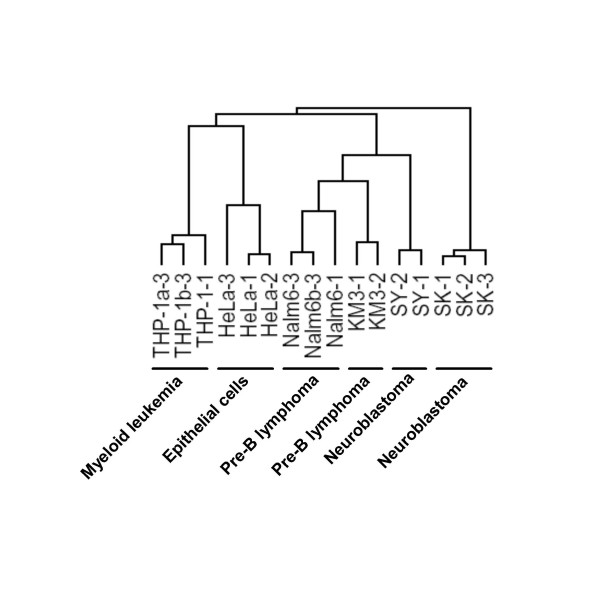
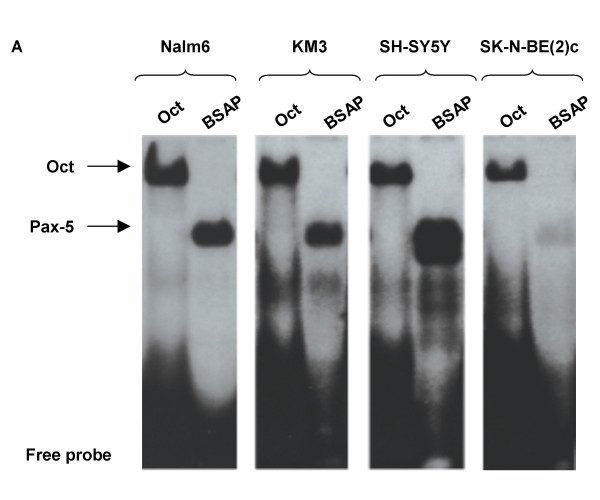
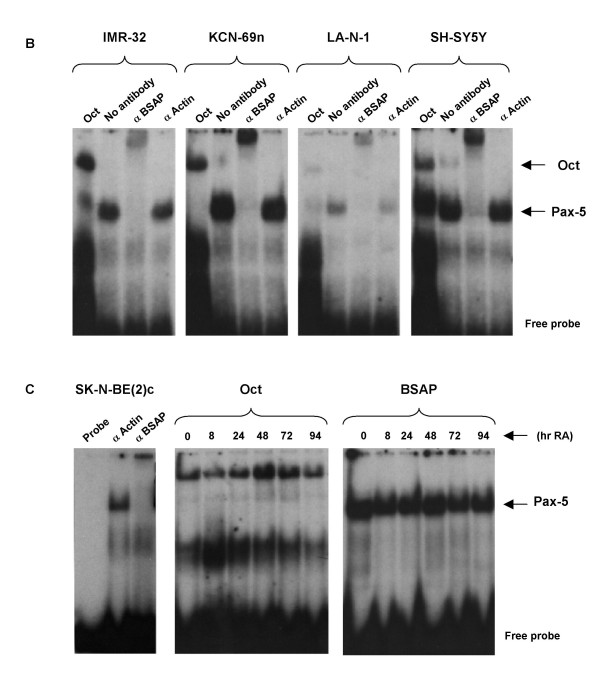
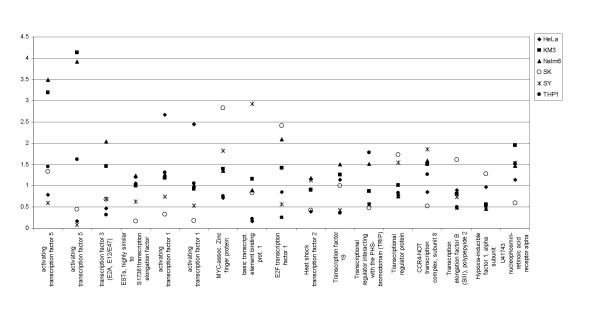
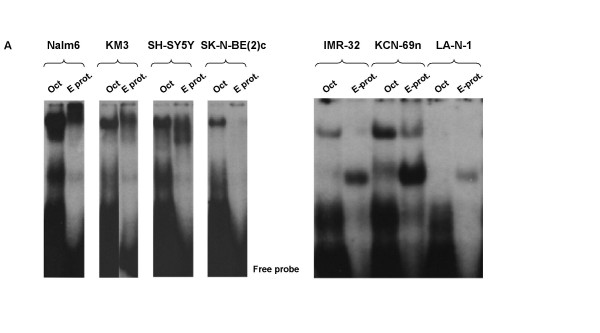
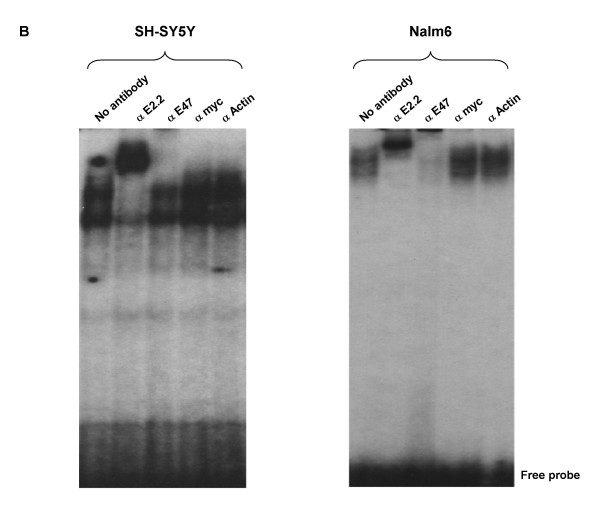
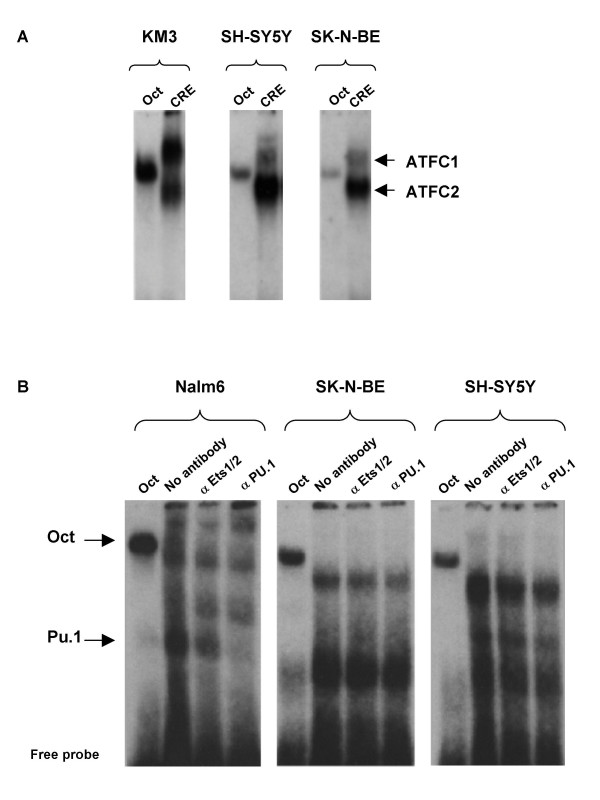
To investigate this selectivity in target gene activation we compared the overall gene expression patterns by micro-array analysis and expression of target genes for the transcription factor EBF in lymphoma and neuroblastoma cells by RT-PCR. The presence of transcription factors in the different model cell lines was further investigated by EMSA analysis.
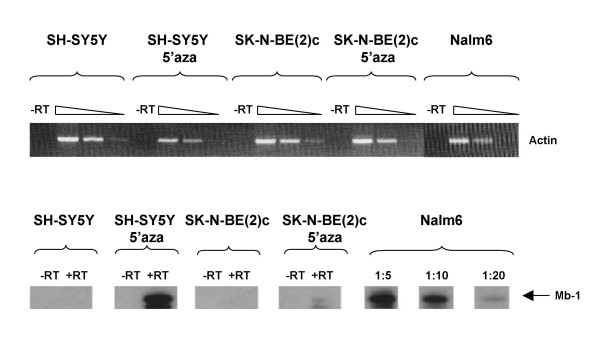
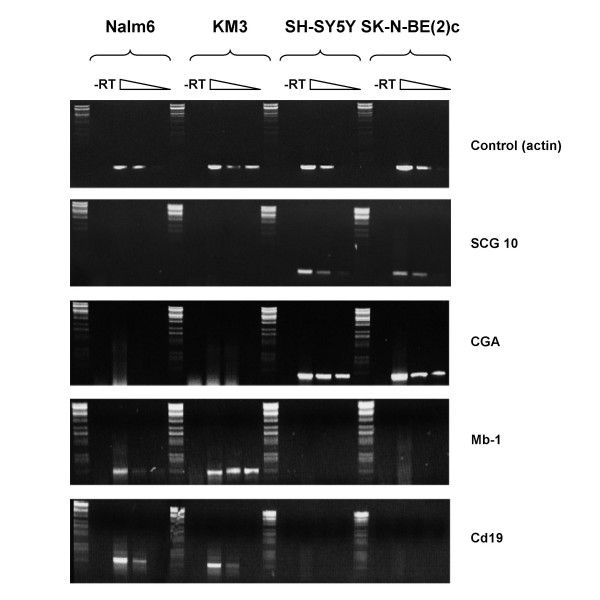
In pre-B cells mb-1 and CD19 are regulate by EBF-1 in collaboration with Pax-5 and E-proteins. We here show that neuroblastoma cells express these three, for B cell development crucial transcription factors, but nevertheless fail to express detectable levels of their known target genes. Expression of mb-1 could, however, be induced in neuroblastoma cells after disruption of the chromatin structure by treatment with 5-azacytidine and Trichostatin A.
These data suggest that transcription factors are able to selectively activate target genes in different tissues and that chromatin structure plays a key role in the regulation of this activity.
转录因子频繁参与细胞转化过程,许多恶性肿瘤的特征是影响特定转录因子的独特基因事件。这可能反映了转录因子在癌症发生过程中具有组织特异性作用,但对于调控这些限制效应的精确机制知之甚少。
为了研究靶基因激活中的这种选择性,我们通过微阵列分析比较了整体基因表达模式,并通过逆转录聚合酶链反应(RT-PCR)检测了淋巴瘤和神经母细胞瘤细胞中转录因子EBF靶基因的表达。通过电泳迁移率变动分析(EMSA)进一步研究了不同模型细胞系中转录因子的存在情况。
在前B细胞中,mb-1和CD19由EBF-1与Pax-5和E蛋白协同调节。我们在此表明,神经母细胞瘤细胞表达这三种对B细胞发育至关重要的转录因子,但仍未能表达可检测水平的其已知靶基因。然而,在用5-氮杂胞苷和曲古抑菌素A处理破坏染色质结构后,神经母细胞瘤细胞中可诱导mb-1的表达。
这些数据表明转录因子能够在不同组织中选择性激活靶基因,并且染色质结构在这种活性的调节中起关键作用。