Zhang Yi, Wang Tiansong, Chen Weibin, Yilmaz Ozlem, Park Yoonsuk, Jung Il-Young, Hackett Murray, Lamont Richard J
Department of Microbiology, University of Wahington, Seattle, WA 98195, USA.
Proteomics. 2005 Jan;5(1):198-211. doi: 10.1002/pmic.200400922.
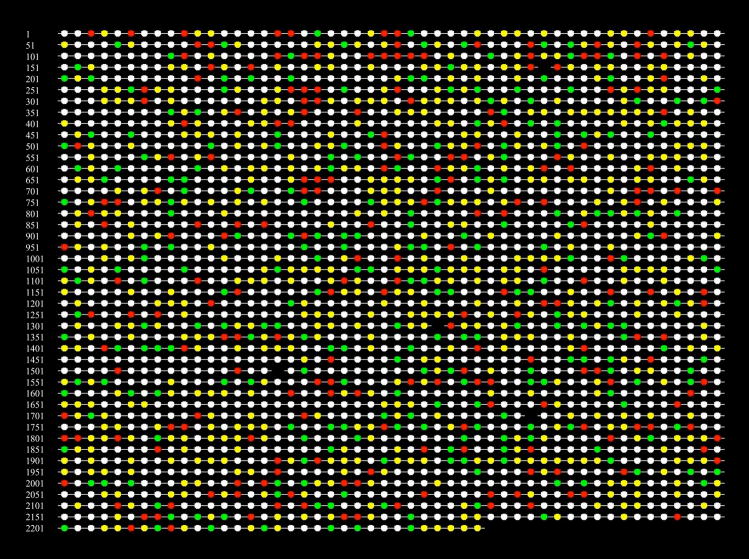
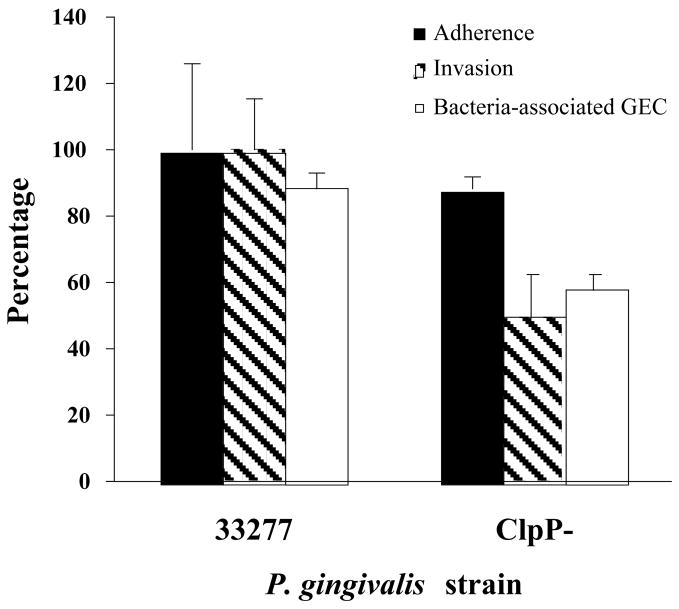
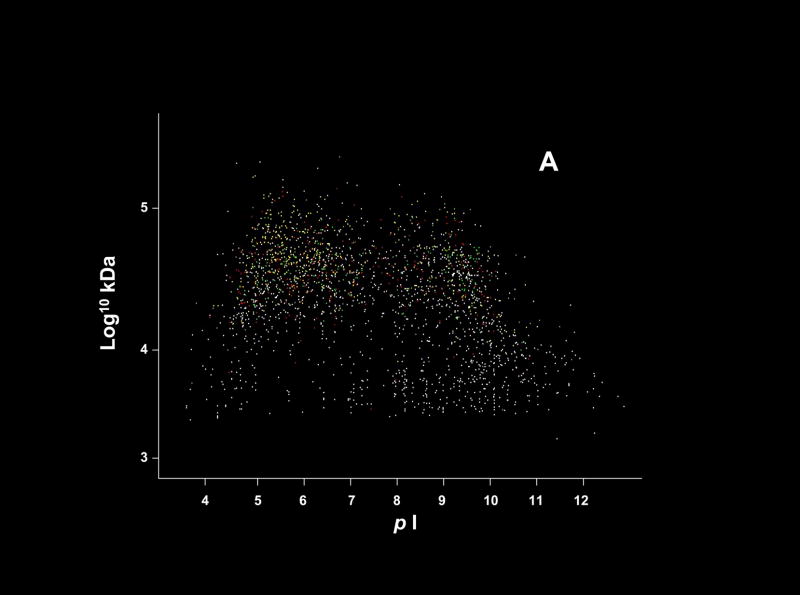
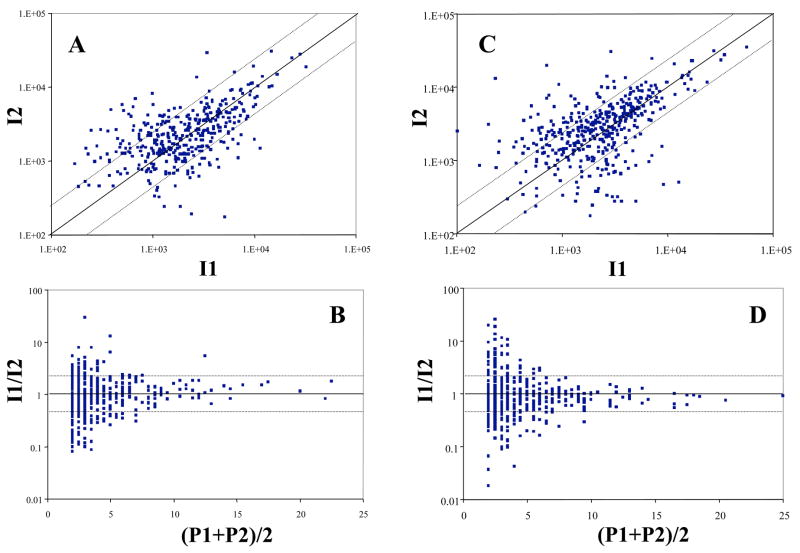
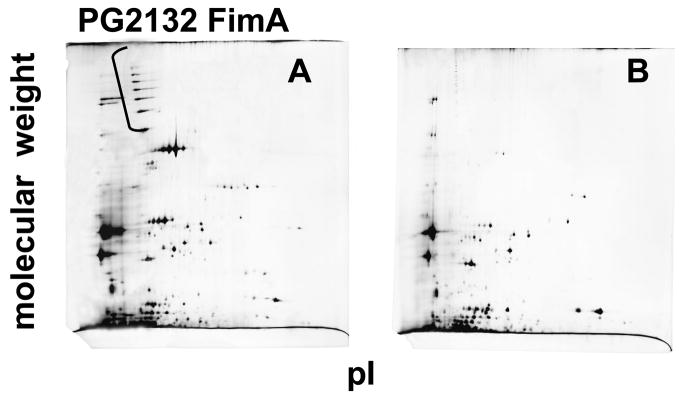
The human oral pathogen Porphyromonas gingivalis colonizes the gingival crevice and invades gingival epithelial cells. Multidimensional capillary high-performance liquid chromatography coupled with tandem mass spectrometry and two-dimensional gel electrophoresis were used to analyze the proteome of P. gingivalis as it adapts to a set of experimental conditions designed to reflect important features of an epithelial cell environment. 1014 proteins (46% of the total theoretical proteome) were identified in four independent analyses; 479 of these proteins showed evidence of differential expression after exposure of P. gingivalis to either conditioned epithelial cell growth medium or control conditions: i.e., they were only detected under one set of conditions. Moreover, 276 genes annotated as hypothetical were found to encode expressed proteins. Among the proteins up-regulated in the presence of epithelial cell components were a homolog of the internalin proteins of Listeria monocytogenes and subunits of the ATP-dependent Clp protease complex. Insertional inactivation of clpP, encoding the Clp proteolytic subunit, resulted in approximately a 50% reduction in invasion of P. gingivalis. These results suggest that adaptation to an epithelial cell environment induces a major shift in the expressed proteome of the organism. Furthermore, ClpP, that is up-regulated in this environment, is required for optimal invasive activity of P. gingivalis.
人类口腔病原体牙龈卟啉单胞菌定殖于牙龈沟并侵入牙龈上皮细胞。利用多维毛细管高效液相色谱联用串联质谱以及二维凝胶电泳,分析牙龈卟啉单胞菌在适应一组旨在反映上皮细胞环境重要特征的实验条件时的蛋白质组。在四项独立分析中鉴定出1014种蛋白质(占理论蛋白质组总量的46%);其中479种蛋白质在牙龈卟啉单胞菌暴露于条件上皮细胞生长培养基或对照条件后显示出差异表达的证据,即它们仅在一组条件下被检测到。此外,发现276个注释为假想的基因编码表达的蛋白质。在上皮细胞成分存在的情况下上调的蛋白质中,有单核细胞增生李斯特菌内化素蛋白的同源物以及ATP依赖性Clp蛋白酶复合体的亚基。编码Clp蛋白水解亚基的clpP基因的插入失活导致牙龈卟啉单胞菌的侵袭力降低约50%。这些结果表明,适应上皮细胞环境会导致该生物体表达的蛋白质组发生重大转变。此外,在这种环境中上调的ClpP是牙龈卟啉单胞菌最佳侵袭活性所必需的。