Hori Yuichi, Gu Xueying, Xie Xiaodong, Kim Seung K
Department of Developmental Biology, Stanford University School of Medicine, Stanford, California, USA.
PLoS Med. 2005 Apr;2(4):e103. doi: 10.1371/journal.pmed.0020103. Epub 2005 Apr 26.
Success in islet-transplantation-based therapies for type 1 diabetes, coupled with a worldwide shortage of transplant-ready islets, has motivated efforts to develop renewable sources of islet-replacement tissue. Islets and neurons share features, including common developmental programs, and in some species brain neurons are the principal source of systemic insulin.
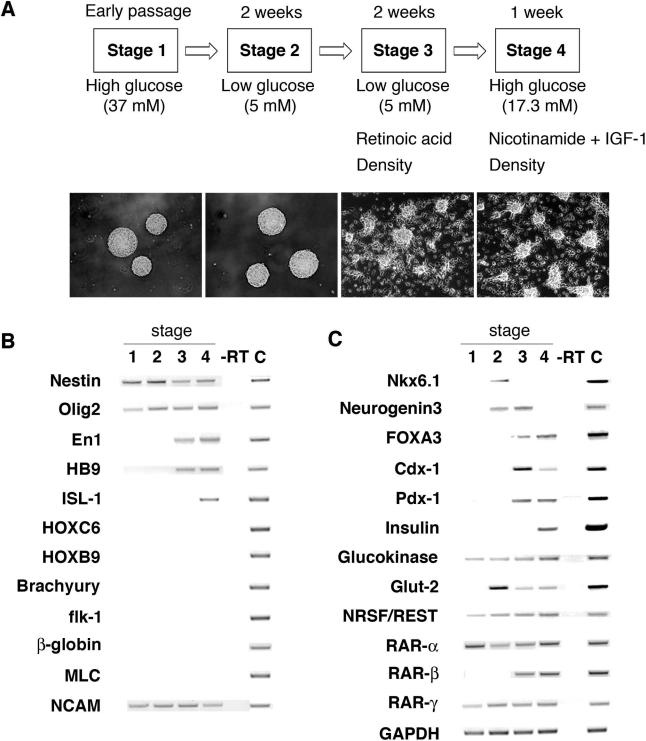
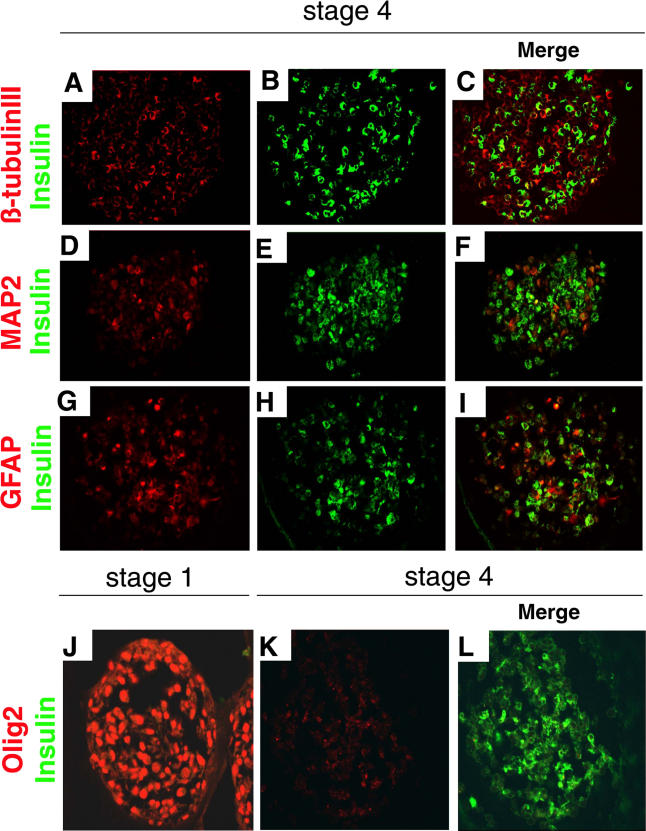
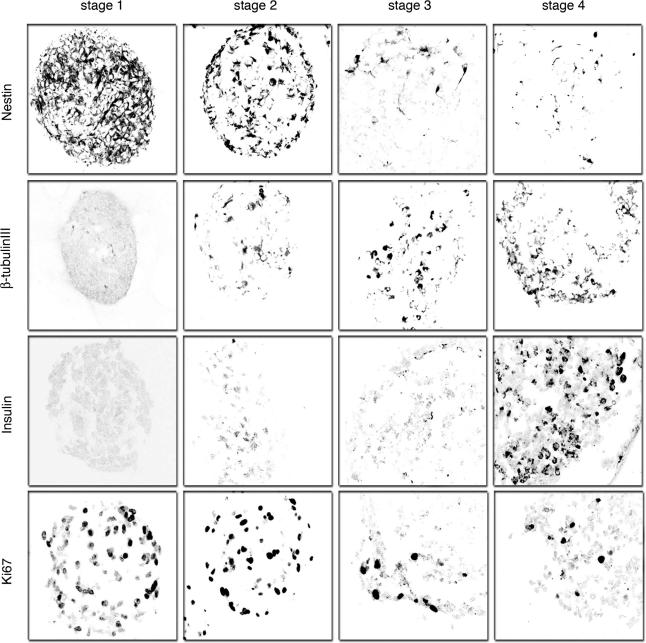
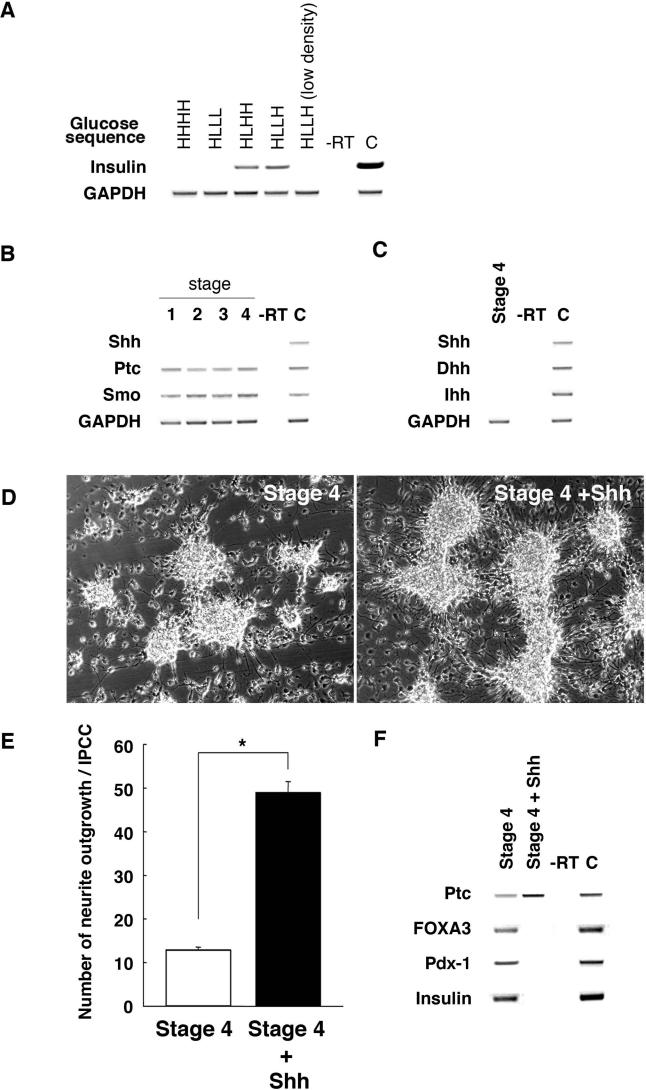
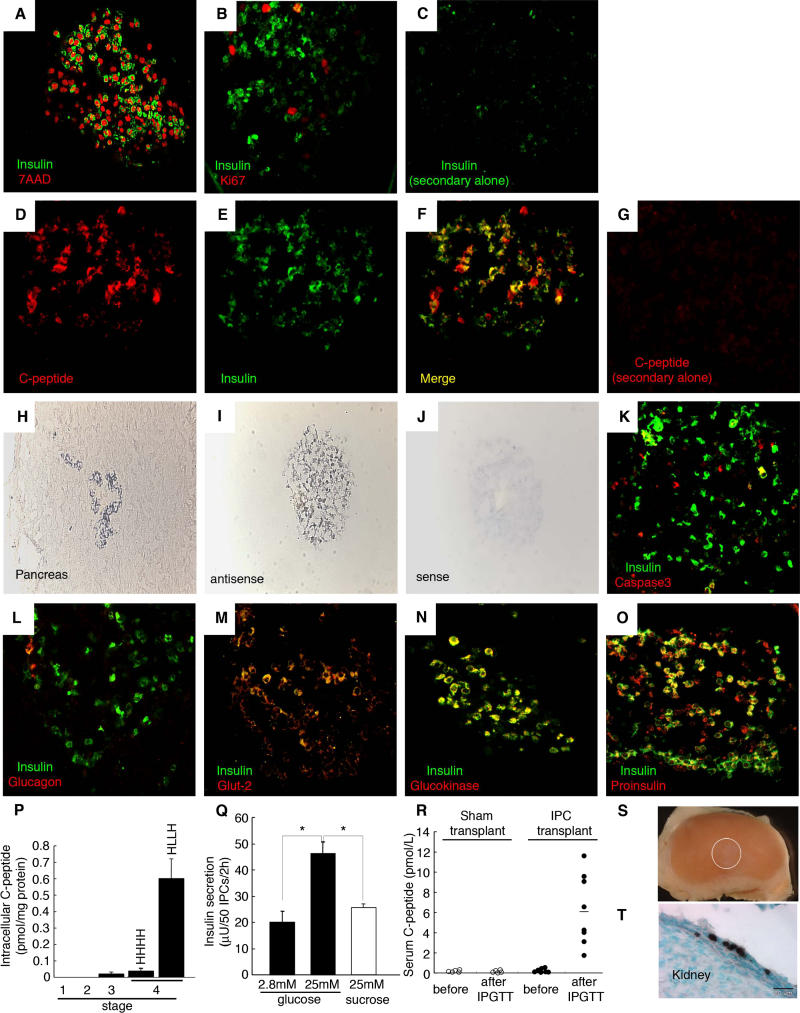
Here we show that brain-derived human neural progenitor cells, exposed to a series of signals that regulate in vivo pancreatic islet development, form clusters of glucose-responsive insulin-producing cells (IPCs). During in vitro differentiation of neural progenitor cells with this novel method, genes encoding essential known in vivo regulators of pancreatic islet development were expressed. Following transplantation into immunocompromised mice, IPCs released insulin C-peptide upon glucose challenge, remained differentiated, and did not form detectable tumors.
Production of IPCs solely through extracellular factor modulation in the absence of genetic manipulations may promote strategies to derive transplantable islet-replacement tissues from human neural progenitor cells and other types of multipotent human stem cells.
基于胰岛移植的1型糖尿病治疗取得成功,再加上全球范围内可用于移植的胰岛短缺,促使人们努力开发可再生的胰岛替代组织来源。胰岛和神经元具有共同特征,包括共同的发育程序,并且在某些物种中,脑神经元是全身胰岛素的主要来源。
我们在此表明,暴露于一系列调节体内胰岛发育的信号的脑源性人类神经祖细胞,会形成对葡萄糖有反应的胰岛素产生细胞(IPC)簇。在用这种新方法进行神经祖细胞的体外分化过程中,编码体内已知的胰岛发育必需调节因子的基因得以表达。将IPC移植到免疫受损小鼠体内后,IPC在葡萄糖刺激下释放胰岛素C肽,保持分化状态,且未形成可检测到的肿瘤。
仅通过细胞外因子调节而不进行基因操作来产生IPC,可能会推动从人类神经祖细胞和其他类型的多能人类干细胞中获取可移植胰岛替代组织的策略。