Young Nathan, Mikhalkevich Natallia, Yan Ying, Chen Di, Zheng Wei-ping
David H. Smith Center for Vaccine Biology and Immunology, Aab Institute of Biomedical Sciences, Department of Microbiology and Immunology, University of Rochester School of Medicine and Dentistry, Rochester, NY 14642, USA.
J Immunol. 2005 Dec 15;175(12):8287-95. doi: 10.4049/jimmunol.175.12.8287.
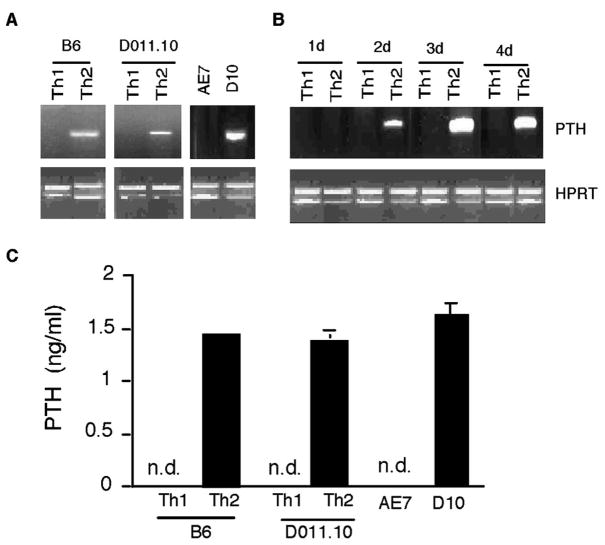
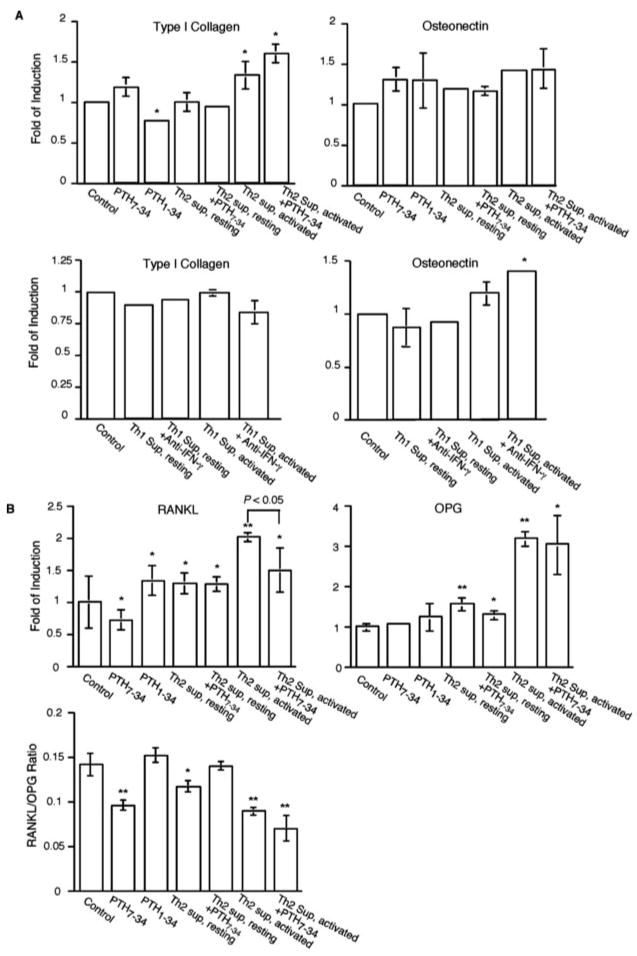
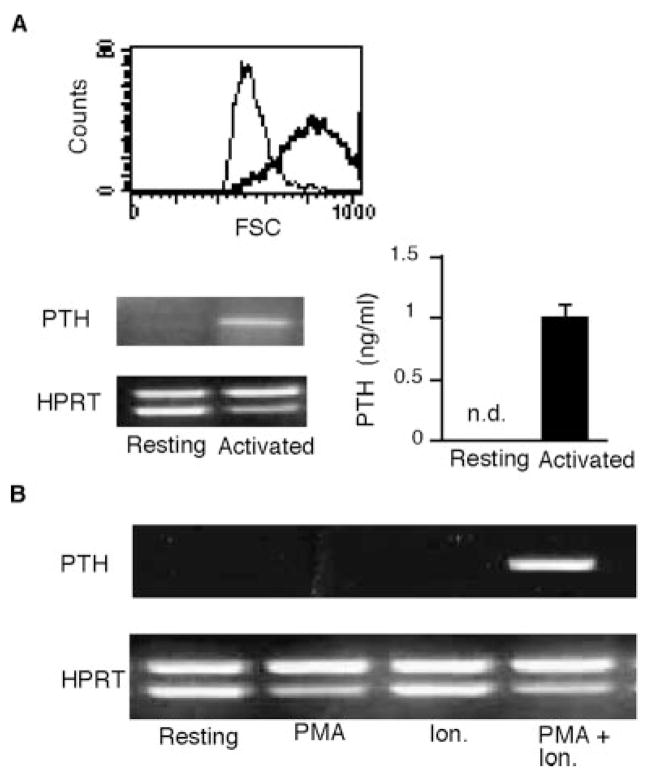
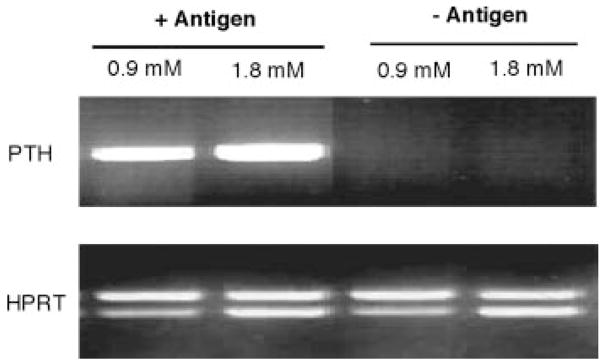
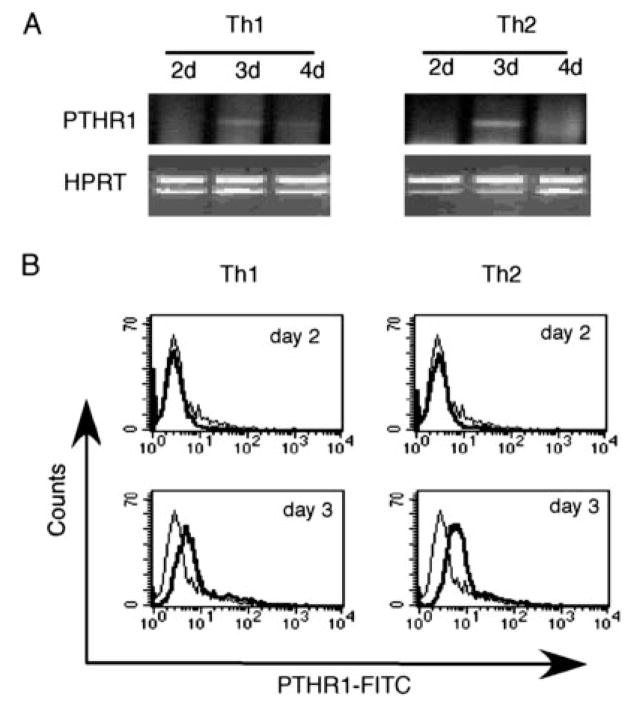
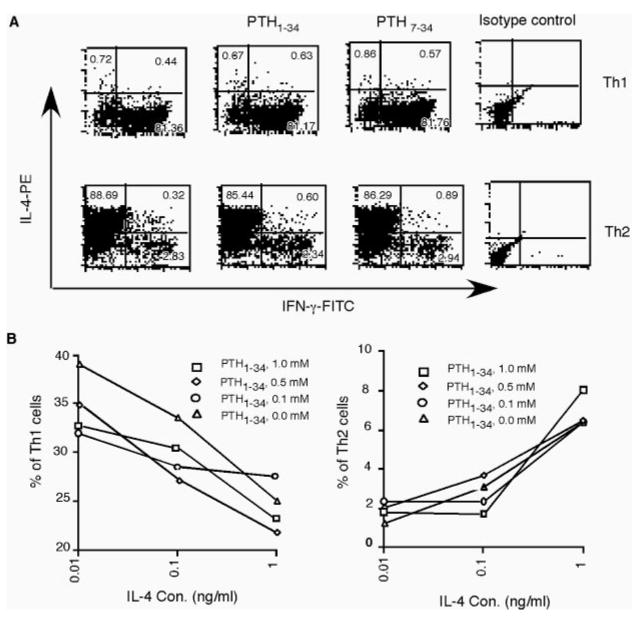
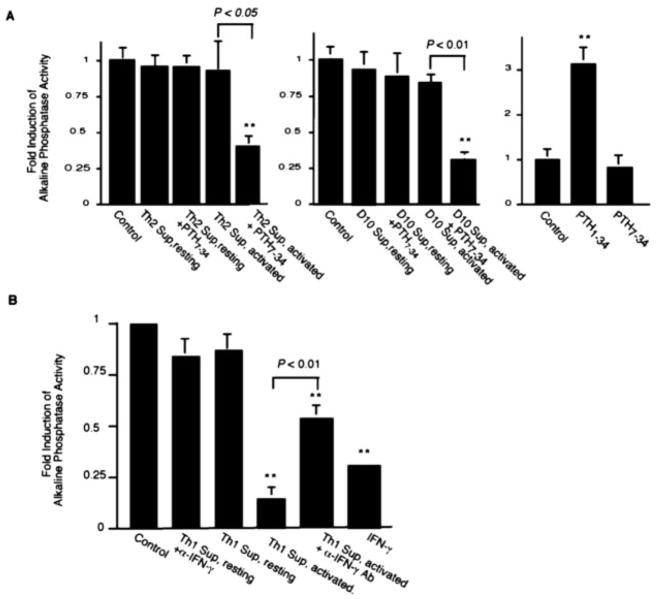
Bone loss is a typical pathological feature of chronic inflammatory bone diseases including rheumatoid arthritis, in which CD4 effector T cells play critical roles. We found that activated mouse Th2 and not Th1 cells produced the parathyroid hormone (PTH). Unlike in the parathyroid cells, PTH expression in Th2 cells was not regulated by the fluctuation of calcium level, but rather it required the full activation of the T cells. Although PTH was expressed in immature Th2 cells, and its receptor was transiently expressed during Th1 and Th2 cell differentiation, PTH did not significantly affect the outcome of the differentiation. In primary osteoblasts cultured in Th2 cell condition medium, the alkaline phosphatase (ALP) activity was maintained at a basal level. However, antagonizing PTH in the condition medium resulted in a significant reduction of the ALP activity. These results demonstrated an important role of the Th2 cell-derived PTH in maintaining the bone-forming activity of the osteoblasts under inflammatory conditions. In osteoblasts cultured in the Th1 cell condition medium, the ALP activity was significantly suppressed. Neutralizing IFN-gamma alleviated the suppression. Conversely, treatment of osteoblasts with IFN-gamma suppressed the ALP activity. Unlike ALP, expression of the major bone matrix proteins by the osteoblasts was only minimally affected by either Th1 or Th2 cytokine environment. In addition, the Th2 cytokine environment also regulated to expression of receptor activator of NF-kappaB ligand and osteoprotegerin through both PTH-dependent and -independent mechanisms. Our study therefore identified new regulatory events in bone remodeling under inflammatory conditions.
骨质流失是包括类风湿性关节炎在内的慢性炎症性骨病的典型病理特征,其中CD4效应T细胞起着关键作用。我们发现活化的小鼠Th2细胞而非Th1细胞产生甲状旁腺激素(PTH)。与甲状旁腺细胞不同,Th2细胞中PTH的表达不受钙水平波动的调节,而是需要T细胞的完全活化。尽管PTH在未成熟的Th2细胞中表达,并且其受体在Th1和Th2细胞分化过程中短暂表达,但PTH对分化结果没有显著影响。在Th2细胞条件培养基中培养的原代成骨细胞中,碱性磷酸酶(ALP)活性维持在基础水平。然而,在条件培养基中拮抗PTH会导致ALP活性显著降低。这些结果表明Th2细胞衍生的PTH在炎症条件下维持成骨细胞的骨形成活性中起重要作用。在Th1细胞条件培养基中培养的成骨细胞中,ALP活性显著受到抑制。中和干扰素-γ可减轻这种抑制作用。相反,用干扰素-γ处理成骨细胞会抑制ALP活性。与ALP不同,成骨细胞主要骨基质蛋白的表达仅受到Th1或Th2细胞因子环境的最小影响。此外,Th2细胞因子环境还通过PTH依赖和非依赖机制调节核因子κB受体激活剂配体和骨保护素的表达。因此,我们的研究确定了炎症条件下骨重塑中的新调节事件。