Warfield Kelly L, Swenson Dana L, Olinger Gene G, Nichols Donald K, Pratt William D, Blouch Robert, Stein David A, Aman M Javad, Iversen Patrick L, Bavari Sina
US Army Medical Research Institute of Infectious Diseases, Fort Detrick, Frederick, Maryland, USA.
PLoS Pathog. 2006 Jan;2(1):e1. doi: 10.1371/journal.ppat.0020001. Epub 2006 Jan 13.
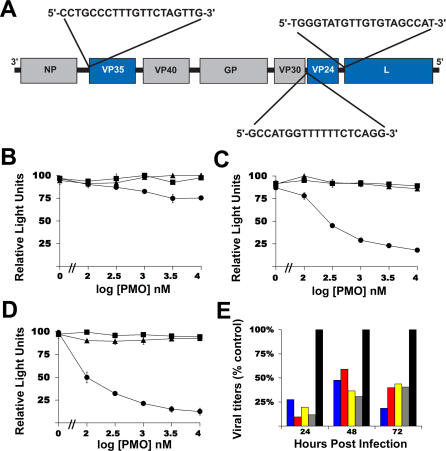
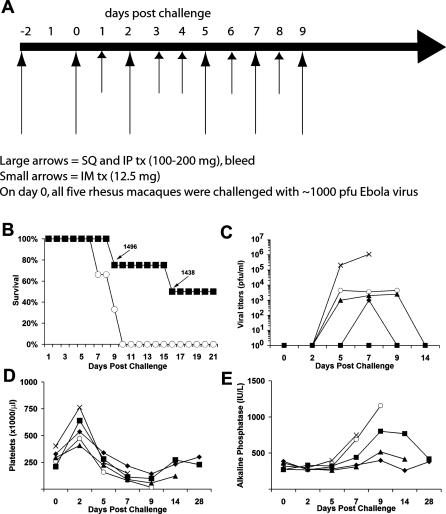
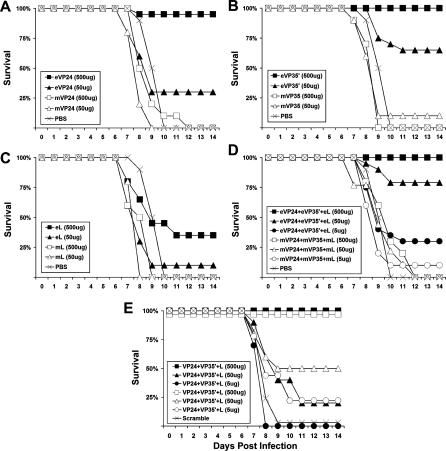
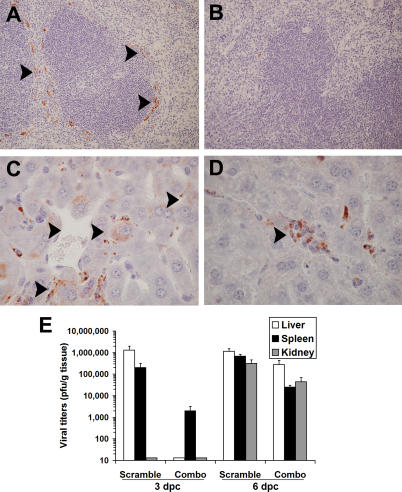
The filoviruses Marburg virus and Ebola virus (EBOV) quickly outpace host immune responses and cause hemorrhagic fever, resulting in case fatality rates as high as 90% in humans and nearly 100% in nonhuman primates. The development of an effective therapeutic for EBOV is a daunting public health challenge and is hampered by a paucity of knowledge regarding filovirus pathogenesis. This report describes a successful strategy for interfering with EBOV infection using antisense phosphorodiamidate morpholino oligomers (PMOs). A combination of EBOV-specific PMOs targeting sequences of viral mRNAs for the viral proteins (VPs) VP24, VP35, and RNA polymerase L protected rodents in both pre- and post-exposure therapeutic regimens. In a prophylactic proof-of-principal trial, the PMOs also protected 75% of rhesus macaques from lethal EBOV infection. The work described here may contribute to development of designer, "druggable" countermeasures for filoviruses and other microbial pathogens.
丝状病毒马尔堡病毒和埃博拉病毒(EBOV)迅速超越宿主免疫反应并引发出血热,导致人类病死率高达90%,在非人类灵长类动物中接近100%。开发针对EBOV的有效疗法是一项艰巨的公共卫生挑战,且因对丝状病毒发病机制的了解匮乏而受阻。本报告描述了一种使用反义磷酰胺吗啉代寡聚物(PMO)干扰EBOV感染的成功策略。针对病毒蛋白(VP)VP24、VP35和RNA聚合酶L的病毒mRNA序列的EBOV特异性PMO组合,在暴露前和暴露后治疗方案中均保护了啮齿动物。在一项预防性原理验证试验中,PMO还使75%的恒河猴免受致命的EBOV感染。此处描述的工作可能有助于开发针对丝状病毒和其他微生物病原体的定制化、“可成药”对策。