Cardoso Alvaro B, Vasconcelos Belmiro C E, Oliveira David M de
Dental Sciences School, Universidade de Pernambuco.
Braz J Otorhinolaryngol. 2005 Jan-Feb;71(1):32-7. doi: 10.1016/s1808-8694(15)31282-9. Epub 2006 Jan 2.
Dislocation of the temporomandibular joint occurs when the mandibular condyle exits the glenoidal cavity and remains anteriorly locked to the articular eminence. It is repetitive (recurrent dislocation), usually associated with mandibular hypermobility and inclination of the articular eminence.
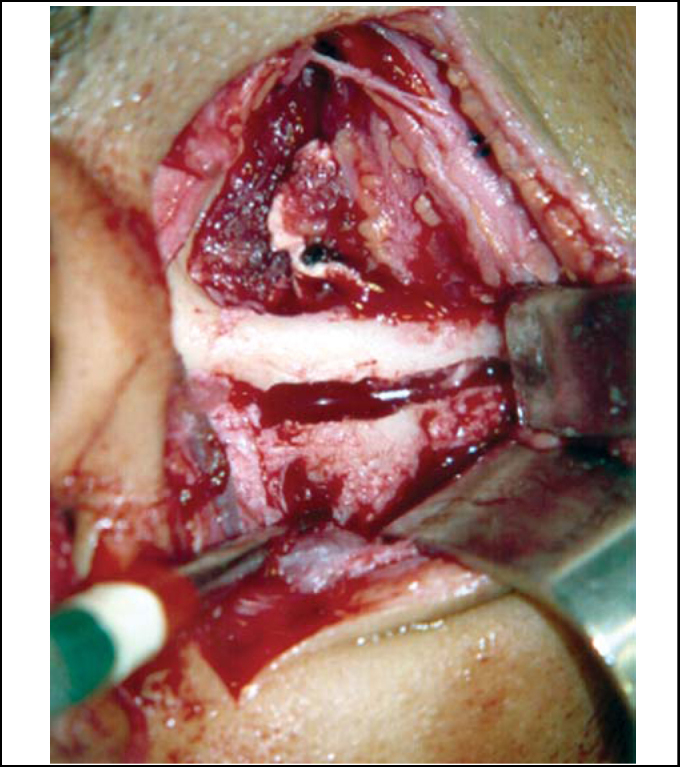
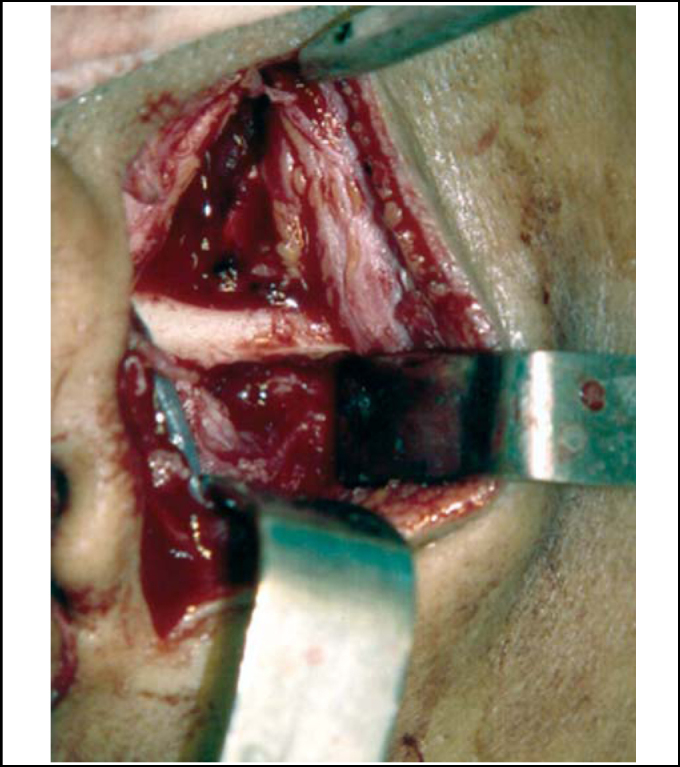
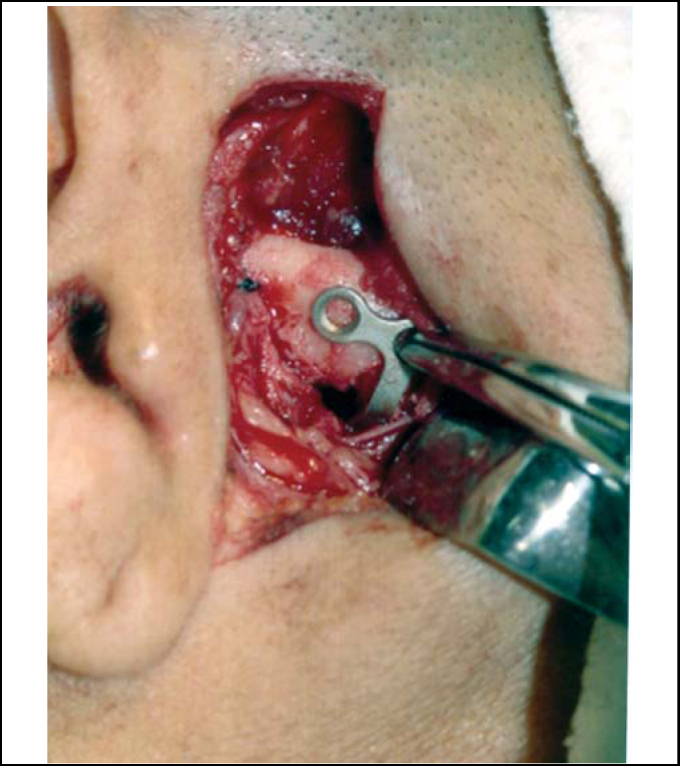
This study intended to clinically and radiologically assess the technique of eminectomy and the use of a miniplate on the articular eminence for the treatment of recurrent dislocation of the temporomandibular joint of patients operated on at Oswaldo Cruz University Hospital from January to September 2003.
Retrospective cohort.
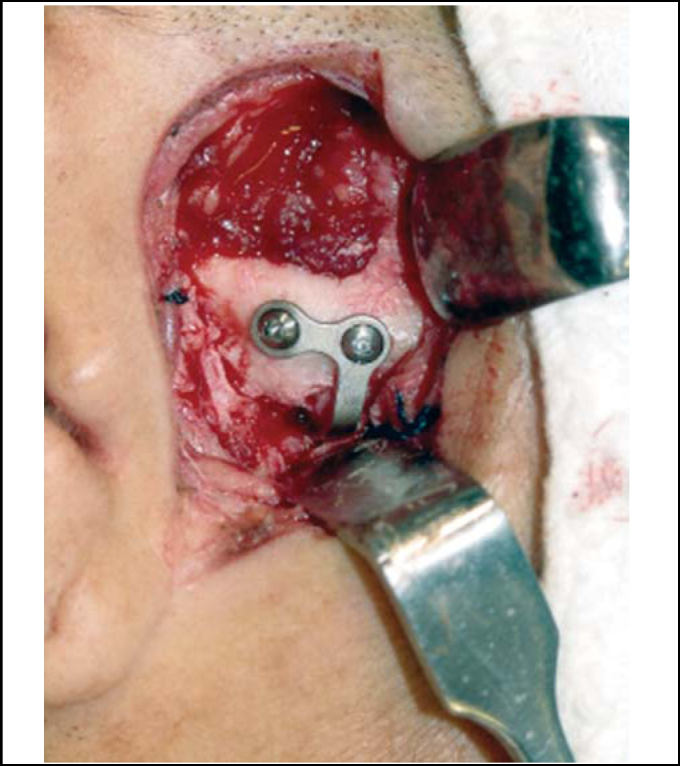
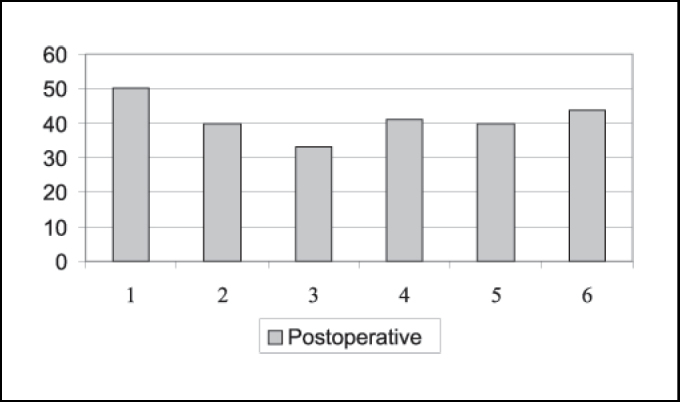
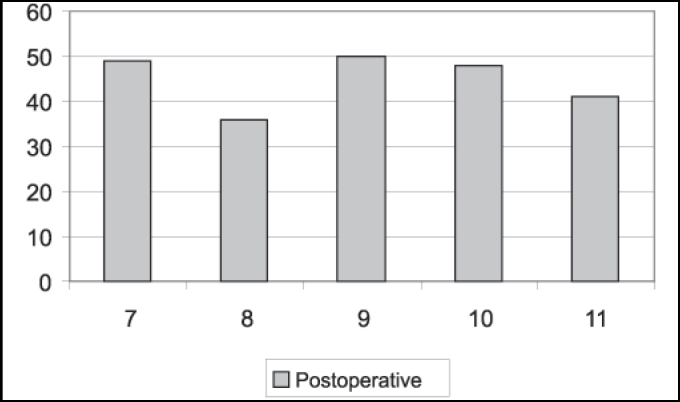
The sample consisted of 11 patients. Eminectomy was performed on nine joints of five patients and the placement of a miniplate on the articular eminence was performed on 11 joints of six patients. Data collection was carried out through analysis of patient's medical charts and new postoperative visit.
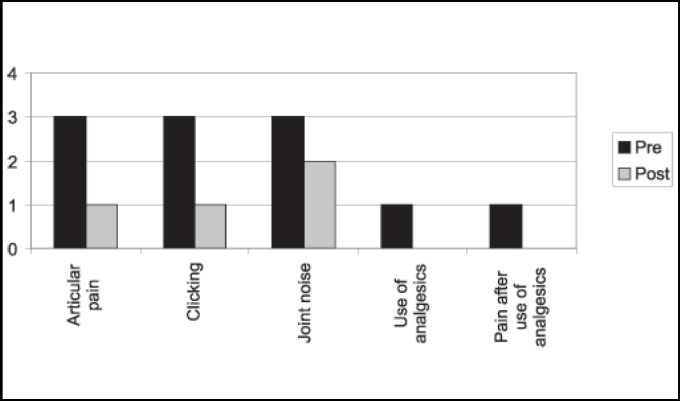
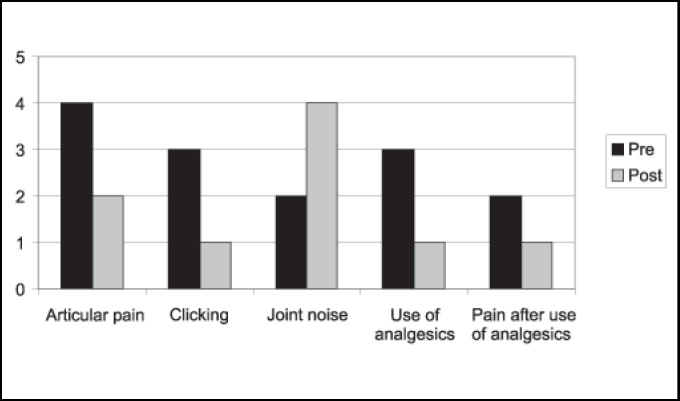
The results showed that there were no major postoperative complications with either technique. Maximum mouth opening was greater with eminectomy procedure and none of the patients operated on presented any recurrence of dislocation.
It is concluded that both techniques were effective in the treatment of recurrent dislocation of the temporomandibular joint.
颞下颌关节脱位是指下颌髁突脱出关节窝并向前锁定于关节结节。它具有复发性(习惯性脱位),通常与下颌活动过度及关节结节倾斜有关。
本研究旨在对2003年1月至9月在奥斯瓦尔多·克鲁兹大学医院接受手术的患者,采用关节结节切除术及在关节结节处使用微型钢板治疗颞下颌关节复发性脱位的技术进行临床和影像学评估。
回顾性队列研究。
样本包括11例患者。对5例患者的9个关节实施了关节结节切除术,对6例患者的11个关节在关节结节处放置了微型钢板。通过分析患者病历及术后新的复诊进行数据收集。
结果表明,两种技术均未出现严重术后并发症。关节结节切除术患者的最大开口度更大,且接受手术的患者均未出现脱位复发。
得出两种技术在治疗颞下颌关节复发性脱位方面均有效的结论。