Ten Broeke Robert, De Crom Rini, Van Haperen Rien, Verweij Vivienne, Leusink-Muis Thea, Van Ark Ingrid, De Clerck Fred, Nijkamp Frans P, Folkerts Gert
Department of Pharmacology and Pathophysiology, Utrecht Institute for Pharmaceutical Sciences, Utrecht University, PO Box 80.082, 3508 TB Utrecht, The Netherlands.
Respir Res. 2006 Apr 5;7(1):58. doi: 10.1186/1465-9921-7-58.
Asthma is associated with airway hyperresponsiveness and enhanced T-cell number/activity on one hand and increased levels of exhaled nitric oxide (NO) with expression of inducible NO synthase (iNOS) on the other hand. These findings are in paradox, as NO also relaxes airway smooth muscle and has immunosuppressive properties. The exact role of the endothelial NOS (eNOS) isoform in asthma is still unknown. We hypothezised that a delicate regulation in the production of NO and its bioactive forms by eNOS might be the key to the pathogenesis of asthma.
The contribution of eNOS on the development of asthmatic features was examined. We used transgenic mice that overexpress eNOS and measured characteristic features of allergic asthma after sensitisation and challenge of these mice with the allergen ovalbumin.
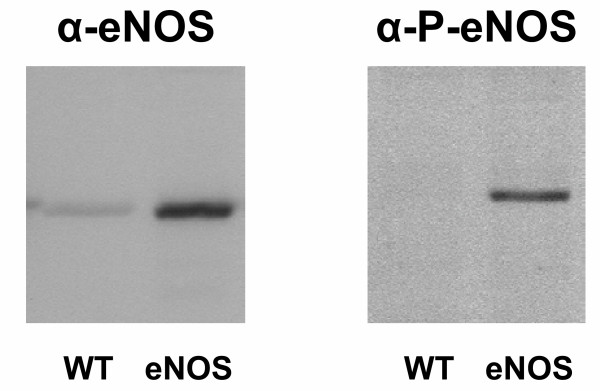
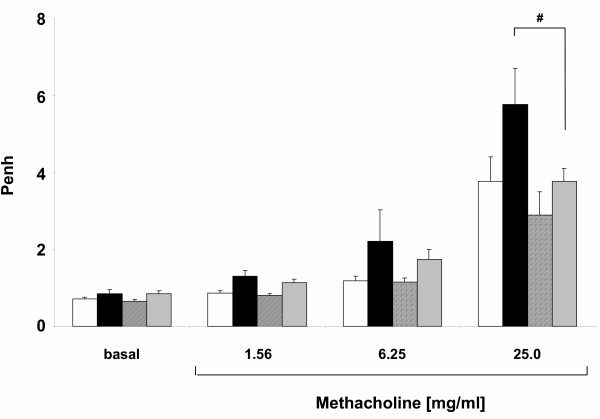
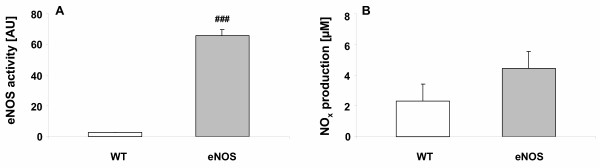
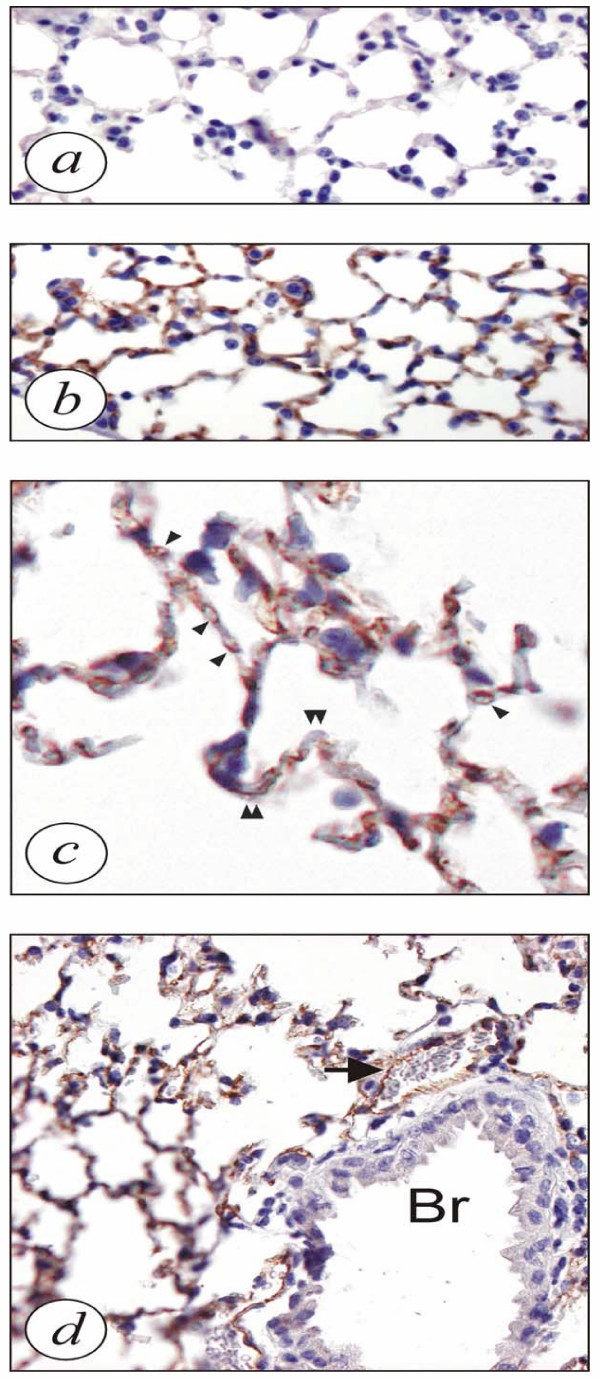
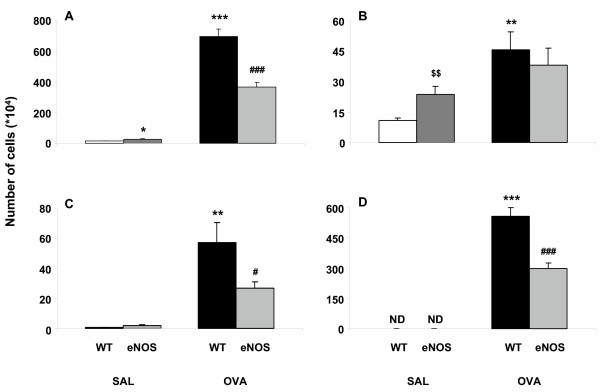
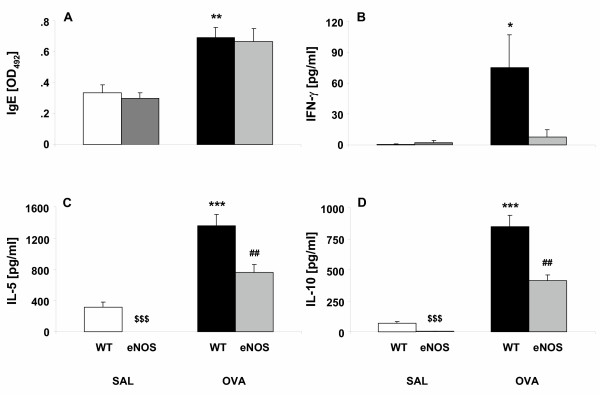
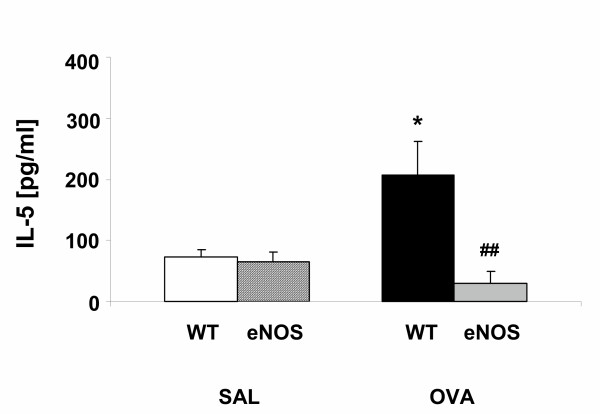
eNOS overexpression resulted in both increased eNOS activity and NO production in the lungs. Isolated thoracic lymph nodes cells from eNOS overexpressing mice that have been sensitized and challenged with ovalbumin produced significantly less of the cytokines IFN-gamma, IL-5 and IL-10. No difference in serum IgE levels could be found. Further, there was a 50% reduction in the number of lymphocytes and eosinophils in the lung lavage fluid of these animals. Finally, airway hyperresponsiveness to methacholine was abolished in eNOS overexpressing mice.
These findings demonstrate that eNOS overexpression attenuates both airway inflammation and airway hyperresponsiveness in a model of allergic asthma. We suggest that a delicate balance in the production of bioactive forms of NO derived from eNOS might be essential in the pathophysiology of asthma.
一方面,哮喘与气道高反应性以及T细胞数量/活性增强有关;另一方面,呼出一氧化氮(NO)水平升高且诱导型一氧化氮合酶(iNOS)表达增加。这些发现自相矛盾,因为NO也可舒张气道平滑肌并具有免疫抑制特性。内皮型一氧化氮合酶(eNOS)亚型在哮喘中的确切作用仍不清楚。我们推测,eNOS对NO及其生物活性形式生成的精细调节可能是哮喘发病机制的关键。
研究了eNOS对哮喘特征发展的作用。我们使用过表达eNOS的转基因小鼠,并在用过敏原卵清蛋白致敏和激发这些小鼠后测量过敏性哮喘的特征。
eNOS过表达导致肺中eNOS活性和NO生成均增加。来自过表达eNOS且已用卵清蛋白致敏和激发的小鼠的分离胸段淋巴结细胞产生的细胞因子IFN-γ、IL-5和IL-10明显减少。血清IgE水平未发现差异。此外,这些动物肺灌洗液中的淋巴细胞和嗜酸性粒细胞数量减少了50%。最后,过表达eNOS的小鼠对乙酰甲胆碱的气道高反应性消失。
这些发现表明,在过敏性哮喘模型中,eNOS过表达可减轻气道炎症和气道高反应性。我们认为,源自eNOS的生物活性形式NO生成中的精细平衡可能在哮喘的病理生理学中至关重要。