Woertler Klaus, Waldt Simone
Department of Radiology, Technische Universität München, Klinikum rechts der Isar, Ismaninger Strasse 22, 81675 Munich, Germany.
Eur Radiol. 2006 Dec;16(12):2622-36. doi: 10.1007/s00330-006-0258-6. Epub 2006 Apr 22.
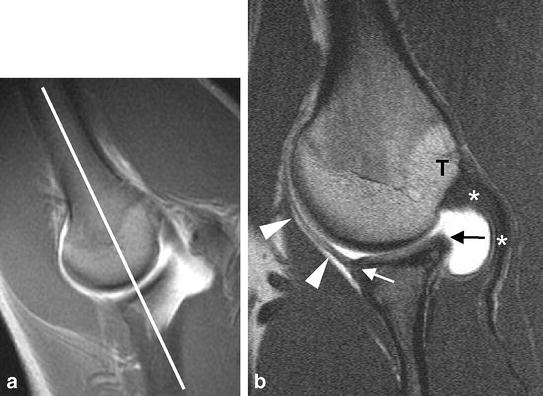
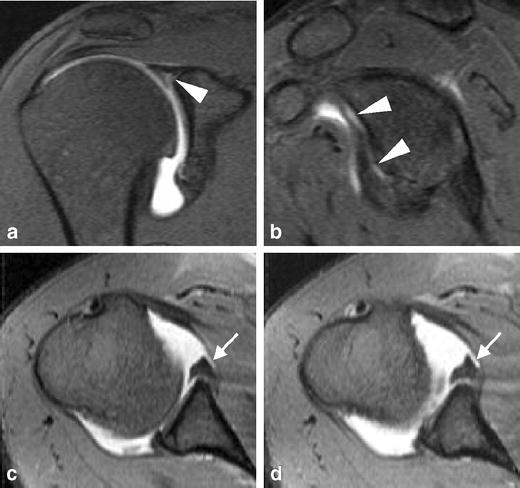
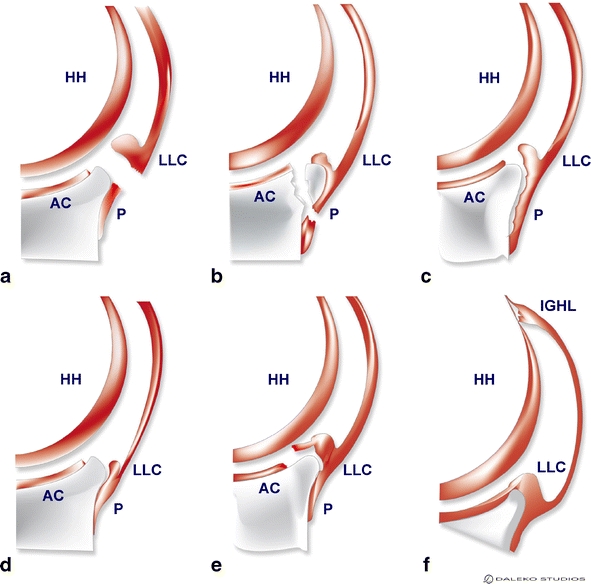
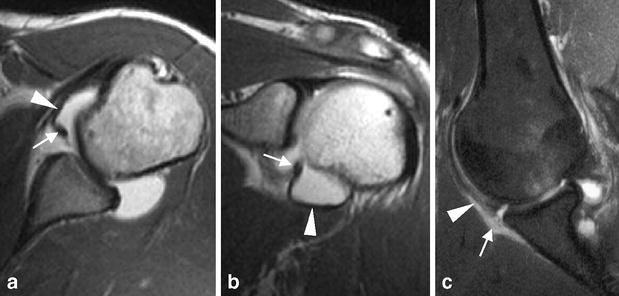
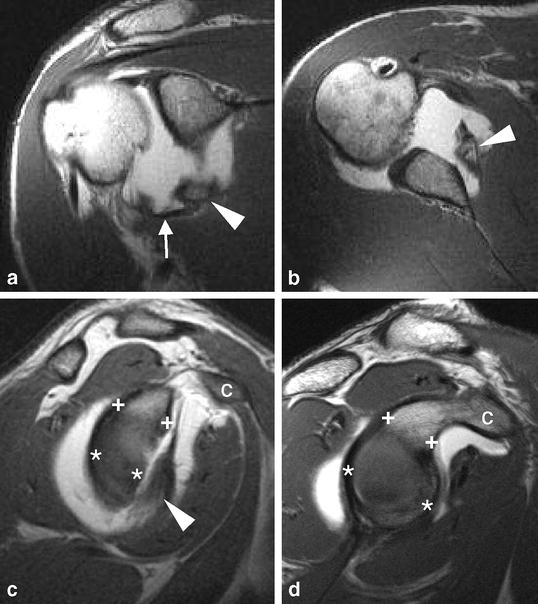
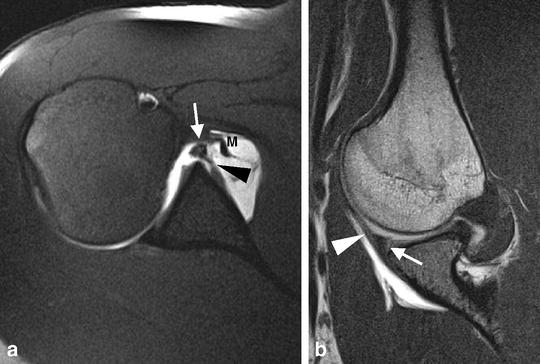
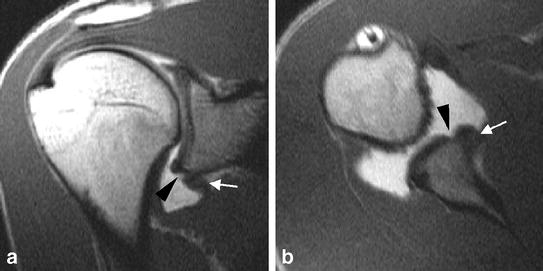
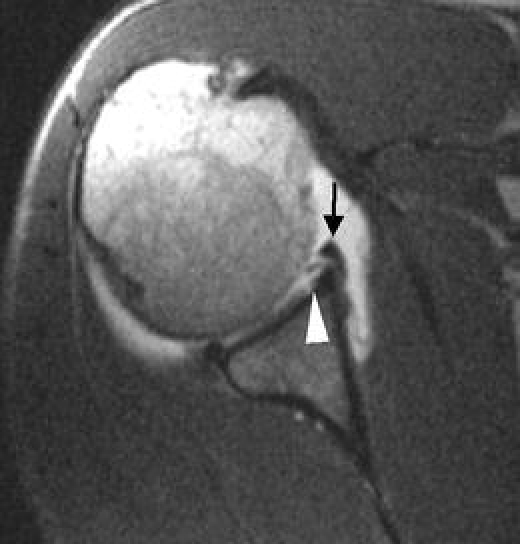
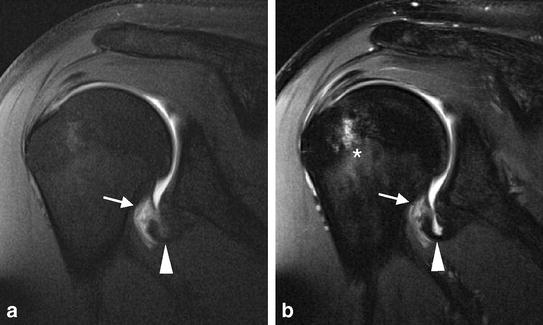
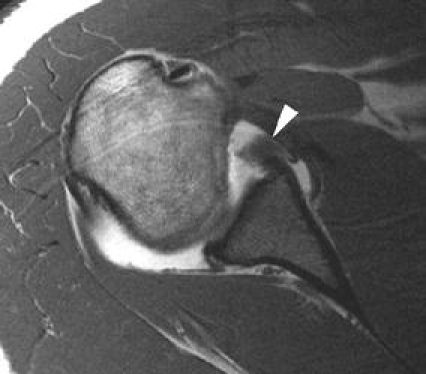
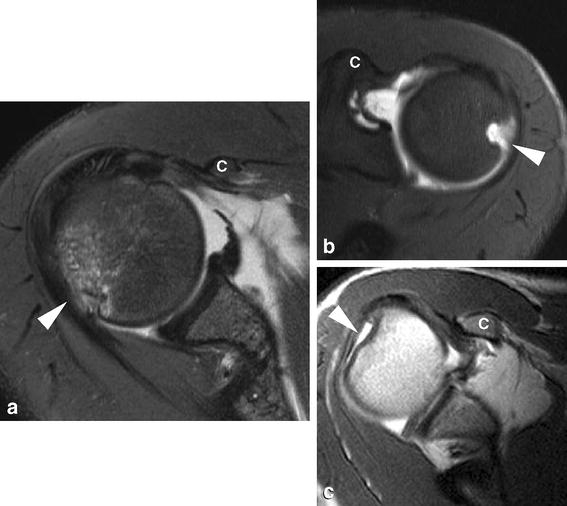
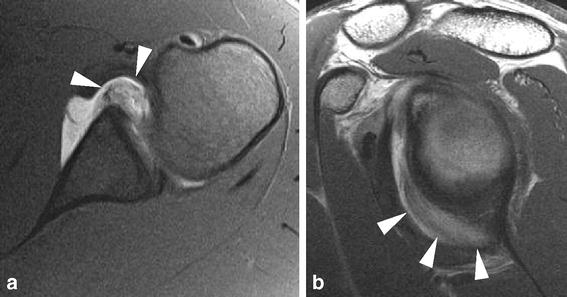
Sports-related shoulder pain and injuries represent a common problem. In this context, glenohumeral instability is currently believed to play a central role either as a recognized or as an unrecognized condition. Shoulder instabilities can roughly be divided into traumatic, atraumatic, and microtraumatic glenohumeral instabilities. In athletes, atraumatic and microtraumatic instabilities can lead to secondary impingement syndromes and chronic damage to intraarticular structures. Magnetic resonance (MR) arthrography is superior to conventional MR imaging in the diagnosis of labro-ligamentous injuries, intrinsic impingement, and SLAP (superior labral anteroposterior) lesions, and thus represents the most informative imaging modality in the overall assessment of glenohumeral instability. This article reviews the imaging criteria for the detection and classification of instability-related injuries in athletes with special emphasis on the influence of MR findings on therapeutic decisions.
与运动相关的肩部疼痛和损伤是一个常见问题。在这种情况下,目前认为肩肱关节不稳无论是作为一种已被认识到的还是未被认识到的情况,都起着核心作用。肩部不稳大致可分为创伤性、非创伤性和微创伤性肩肱关节不稳。在运动员中,非创伤性和微创伤性不稳可导致继发性撞击综合征和关节内结构的慢性损伤。磁共振(MR)关节造影在诊断盂唇韧带损伤、内在撞击和SLAP(上盂唇前后部)损伤方面优于传统MR成像,因此在肩肱关节不稳的整体评估中是最具信息量的成像方式。本文回顾了运动员中与不稳相关损伤的检测和分类的影像学标准,特别强调了MR表现对治疗决策的影响。