Reits Eric A, Hodge James W, Herberts Carla A, Groothuis Tom A, Chakraborty Mala, Wansley Elizabeth K, Camphausen Kevin, Luiten Rosalie M, de Ru Arnold H, Neijssen Joost, Griekspoor Alexander, Mesman Elly, Verreck Frank A, Spits Hergen, Schlom Jeffrey, van Veelen Peter, Neefjes Jacques J
Division of Tumor Biology, The Netherlands Cancer Institute, 1066 CX, Amsterdam, The Netherlands.
J Exp Med. 2006 May 15;203(5):1259-71. doi: 10.1084/jem.20052494. Epub 2006 Apr 24.
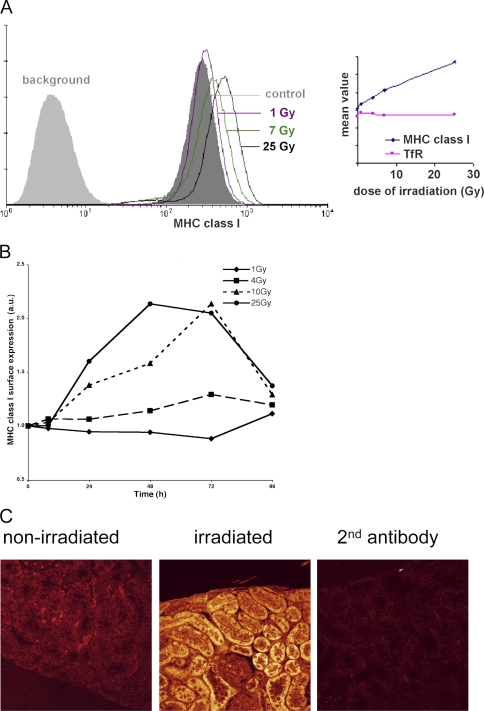
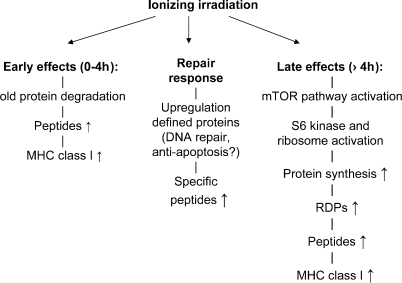
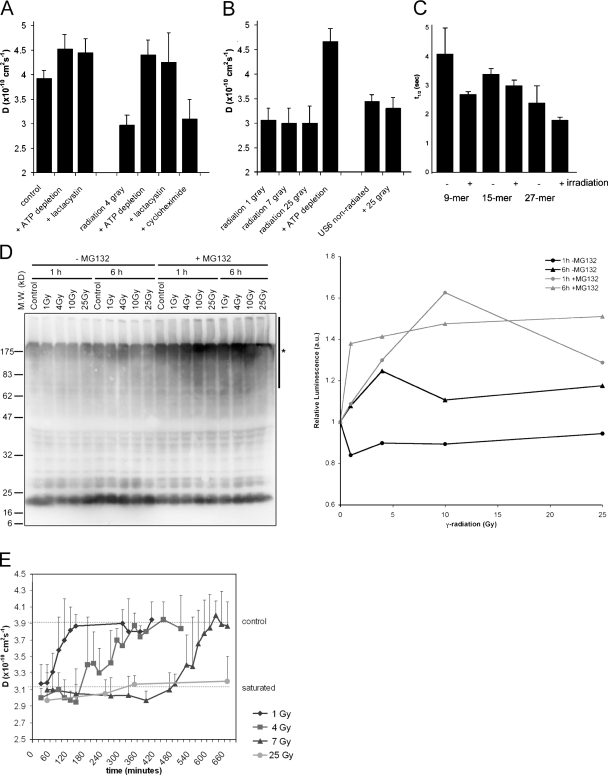
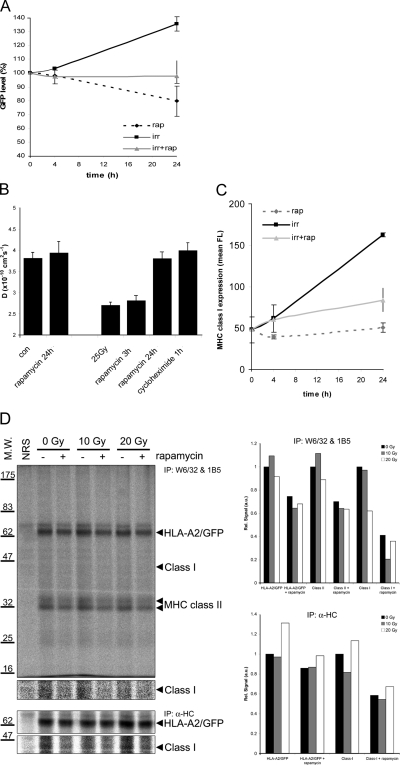
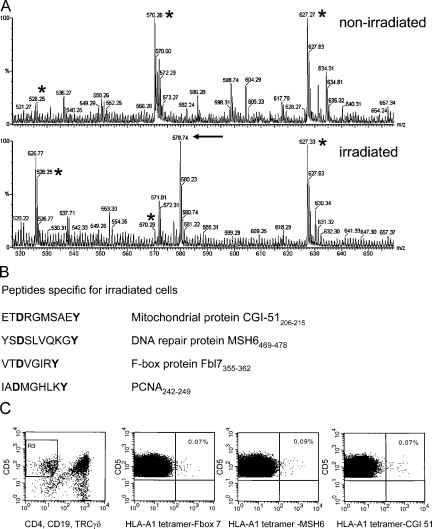
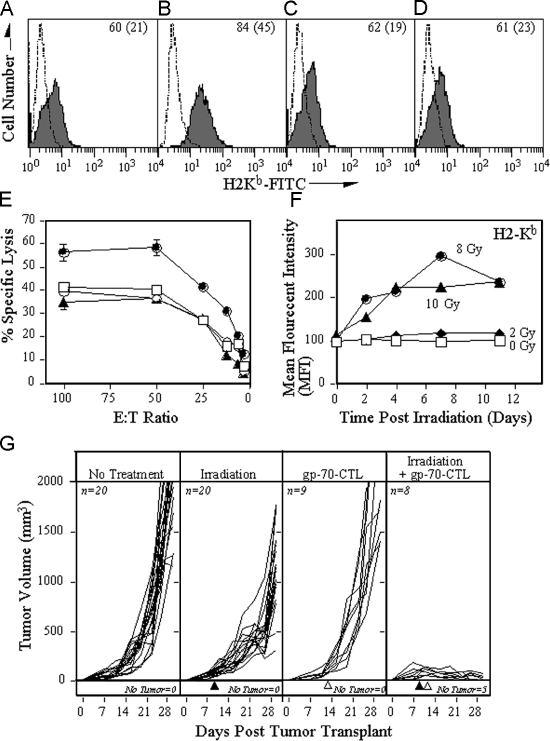
Radiotherapy is one of the most successful cancer therapies. Here the effect of irradiation on antigen presentation by MHC class I molecules was studied. Cell surface expression of MHC class I molecules was increased for many days in a radiation dose-dependent manner as a consequence of three responses. Initially, enhanced degradation of existing proteins occurred which resulted in an increased intracellular peptide pool. Subsequently, enhanced translation due to activation of the mammalian target of rapamycin pathway resulted in increased peptide production, antigen presentation, as well as cytotoxic T lymphocyte recognition of irradiated cells. In addition, novel proteins were made in response to gamma-irradiation, resulting in new peptides presented by MHC class I molecules, which were recognized by cytotoxic T cells. We show that immunotherapy is successful in eradicating a murine colon adenocarcinoma only when preceded by radiotherapy of the tumor tissue. Our findings indicate that directed radiotherapy can improve the efficacy of tumor immunotherapy.
放射疗法是最成功的癌症治疗方法之一。在此,研究了辐射对MHC I类分子抗原呈递的影响。由于三种反应,MHC I类分子的细胞表面表达以辐射剂量依赖的方式增加了许多天。最初,现有蛋白质的降解增强,导致细胞内肽库增加。随后,由于雷帕霉素哺乳动物靶点途径的激活,翻译增强,导致肽产生增加、抗原呈递以及细胞毒性T淋巴细胞对受辐照细胞的识别。此外,γ辐射会产生新的蛋白质,导致MHC I类分子呈递新的肽,这些肽被细胞毒性T细胞识别。我们表明,只有在肿瘤组织进行放射治疗之后,免疫疗法才能成功根除小鼠结肠腺癌。我们的研究结果表明,定向放射疗法可以提高肿瘤免疫疗法的疗效。