The Institute of Low Temperature Science, Hokkaido University, Sapporo 060, Japan.
Plant Physiol. 1983 Nov;73(3):586-97. doi: 10.1104/pp.73.3.586.
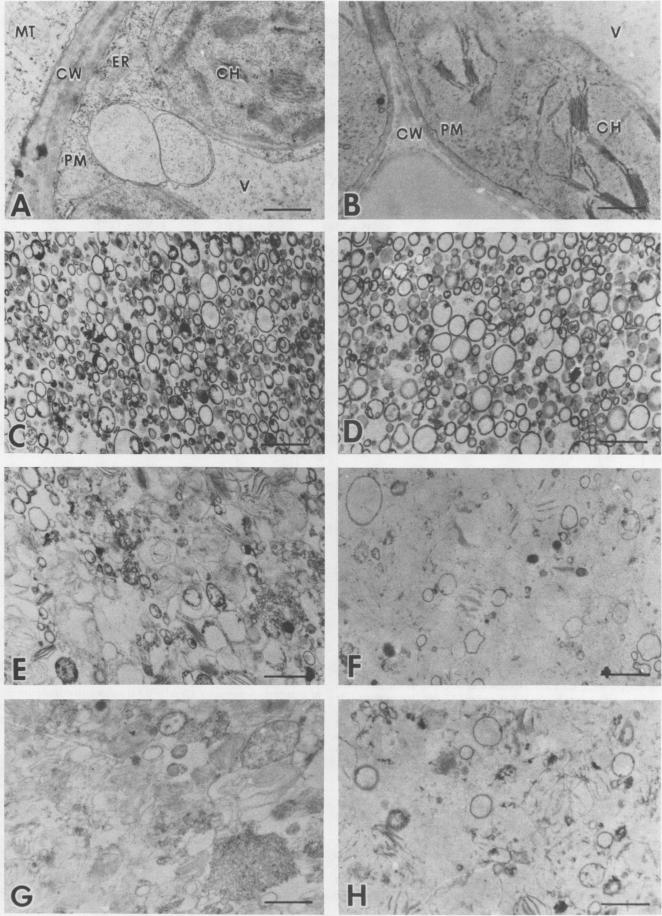
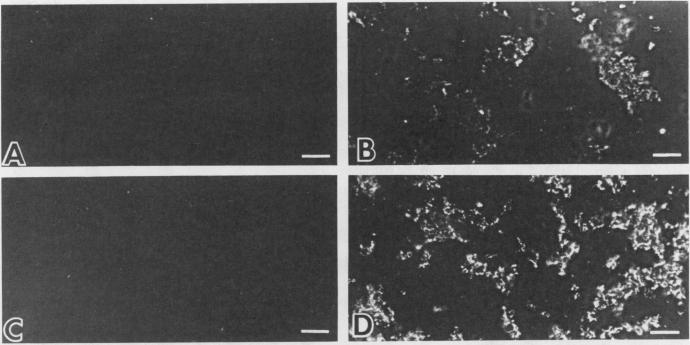
An effective method for the isolation of plasma membrane from light-grown winter rye seedlings (Secale cereale L. cv Puma) was established using a liquid two-polymer phase separation. The conditions for the specific partition of plasma membrane into the polyethylene glycol-enriched upper phase were examined, including variations in the polymer concentration, buffer system, pH, and NaCl addition in the phase partition system. The most effective phase partition system for the isolation of plasma membrane from winter rye consisted of 5.6/5.6% (w/w) polyethylene glycol 4000/dextran T500 in 0.25 molar sucrose-10 millimolar potassium phosphate-30 millimolar NaCl (pH 7.8), repeated once. When the isolated plasma membrane was centrifuged on a linear sucrose density gradient, a single band was found at the 34% (w/w) sucrose layer (1.141 grams per cubic centimeter) which co-fractionated with the pH 6.5-ATPase.Identification of plasma membrane was performed by the combination of phosphotungstic acid-chromic acid stain and specific binding of N-1-naphthylphthalamic acid. Based on morphometrical observations after phosphotungstic acid-chromic acid stain, the isolated plasma membrane consisted mostly of vesicles of high purity. The isolated plasma membrane also showed extremely high specificity for N-1-naphthylphthalamic acidbinding, 10-fold higher than other membranes. It was also confirmed that there is a distinct difference in properties between plasma membrane and other membranes. The endomembranes such as from chloroplasts, mitochondria, and endoplasmic reticulum were observed to be highly sensitive to Zn(2+) ion and lower pH, which resulted in an abrupt aggregation of membranes. On the contrary, plasma membrane was very stable to these treatments and no aggregation was observed. These unique properties of isolated plasma membrane are generally observed in a wide variety of plant species and can be utilized for the assessment of the purity of preparations of isolated plasma membranes and for their identification.
从冬季黑麦(Secale cereale L. cv Puma)幼苗中分离质膜的有效方法是使用液体双聚合物相分离法建立的。研究了将质膜特异性分配到聚乙二醇富集上层相的条件,包括聚合物浓度、缓冲系统、pH 值和相分配系统中 NaCl 添加量的变化。从冬季黑麦中分离质膜的最有效相分配系统由 5.6/5.6%(w/w)聚乙二醇 4000/葡聚糖 T500 组成在 0.25 摩尔蔗糖-10 毫摩尔磷酸钾-30 毫摩尔 NaCl(pH 7.8)中,重复一次。当分离的质膜在蔗糖密度梯度上离心时,在 34%(w/w)蔗糖层(1.141 克/立方厘米)处发现单一带,与 pH 6.5-ATPase 共馏分。质膜的鉴定是通过磷钨酸-重铬酸染色和 N-1-萘基邻苯二甲酰亚胺的特异性结合来完成的。根据磷钨酸-重铬酸染色后的形态计量学观察,分离的质膜主要由高纯度的小泡组成。分离的质膜对 N-1-萘基邻苯二甲酰亚胺结合也表现出极高的特异性,比其他膜高 10 倍。还证实了质膜和其他膜之间存在明显的性质差异。观察到叶绿体、线粒体和内质网等内膜系统对 Zn(2+)离子和较低 pH 值非常敏感,导致膜的急剧聚集。相反,质膜对这些处理非常稳定,没有观察到聚集。这些分离质膜的独特性质通常在多种植物物种中观察到,可用于评估分离质膜制剂的纯度并对其进行鉴定。