Spear B T, Tilghman S M
Howard Hughes Medical Institute, Princeton University, New Jersey 08544.
Mol Cell Biol. 1990 Oct;10(10):5047-54. doi: 10.1128/mcb.10.10.5047-5054.1990.
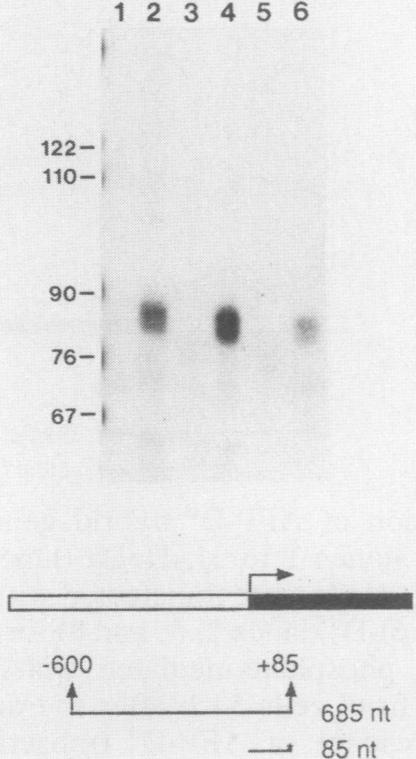
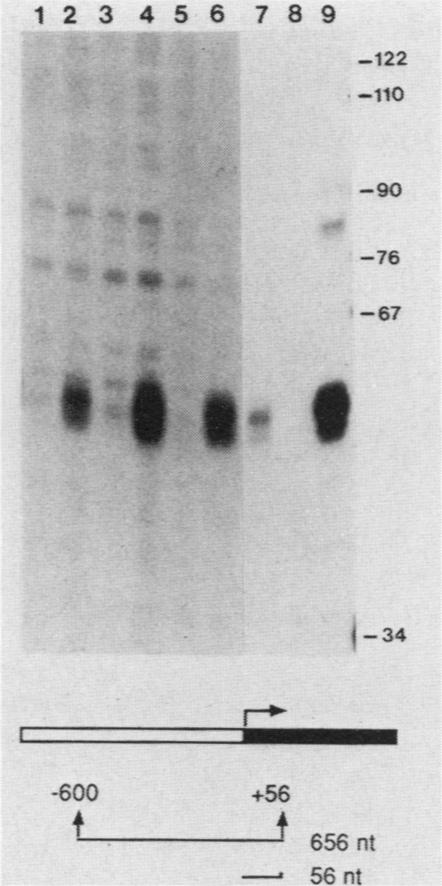
The requirements for activation of the mouse alpha-fetoprotein (AFP) gene in transient heterokaryons were investigated. For this purpose, the 7-kilobases of DNA flanking the 5' end of the AFP gene were linked to a mouse major histocompatibility complex (MHC) class I structural gene. The fusion gene was stably integrated at different sites into mouse L-cells, which do not transcribe the AFP gene. Transient heterokaryon fusions demonstrated that the silent AFP-MHC gene and the endogenous AFP gene were activated by factors present in HepG2 cells, a liver-derived cell line, but not by those in HeLa cells. Activation was detected at the protein level in single heterokaryons by using monoclonal antibodies against the cell surface protein and at the mRNA level in populations of cells. The AFP promoter alone was sufficient for activation could be used for DNA transfer strategies to identify genes which can activate AFP promoter elements in trans.
研究了在瞬时异核体中激活小鼠甲胎蛋白(AFP)基因的条件。为此,将AFP基因5'端侧翼的7千碱基DNA与小鼠主要组织相容性复合体(MHC)I类结构基因相连。融合基因稳定整合到小鼠L细胞的不同位点,L细胞不转录AFP基因。瞬时异核体融合表明,沉默的AFP-MHC基因和内源性AFP基因被肝源性细胞系HepG2细胞中的因子激活,而不是被HeLa细胞中的因子激活。通过使用针对细胞表面蛋白的单克隆抗体在单个异核体的蛋白质水平以及在细胞群体的mRNA水平检测到激活。单独的AFP启动子足以激活,可用于DNA转移策略以鉴定可反式激活AFP启动子元件的基因。