Alain T, Kim M, Johnston R N, Urbanski S, Kossakowska A E, Forsyth P A, Lee P W K
Department of Medical Sciences, University of Calgary, Calgary, Alberta, Canada.
Br J Cancer. 2006 Oct 23;95(8):1020-7. doi: 10.1038/sj.bjc.6603363. Epub 2006 Oct 3.
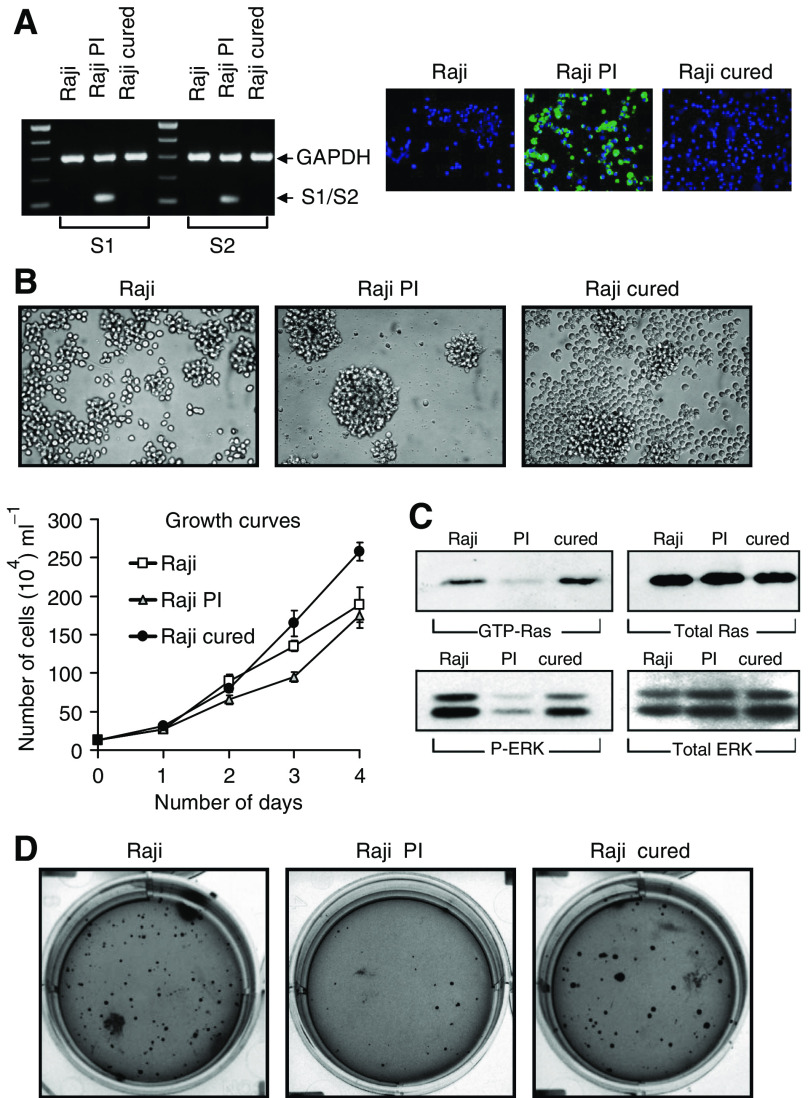
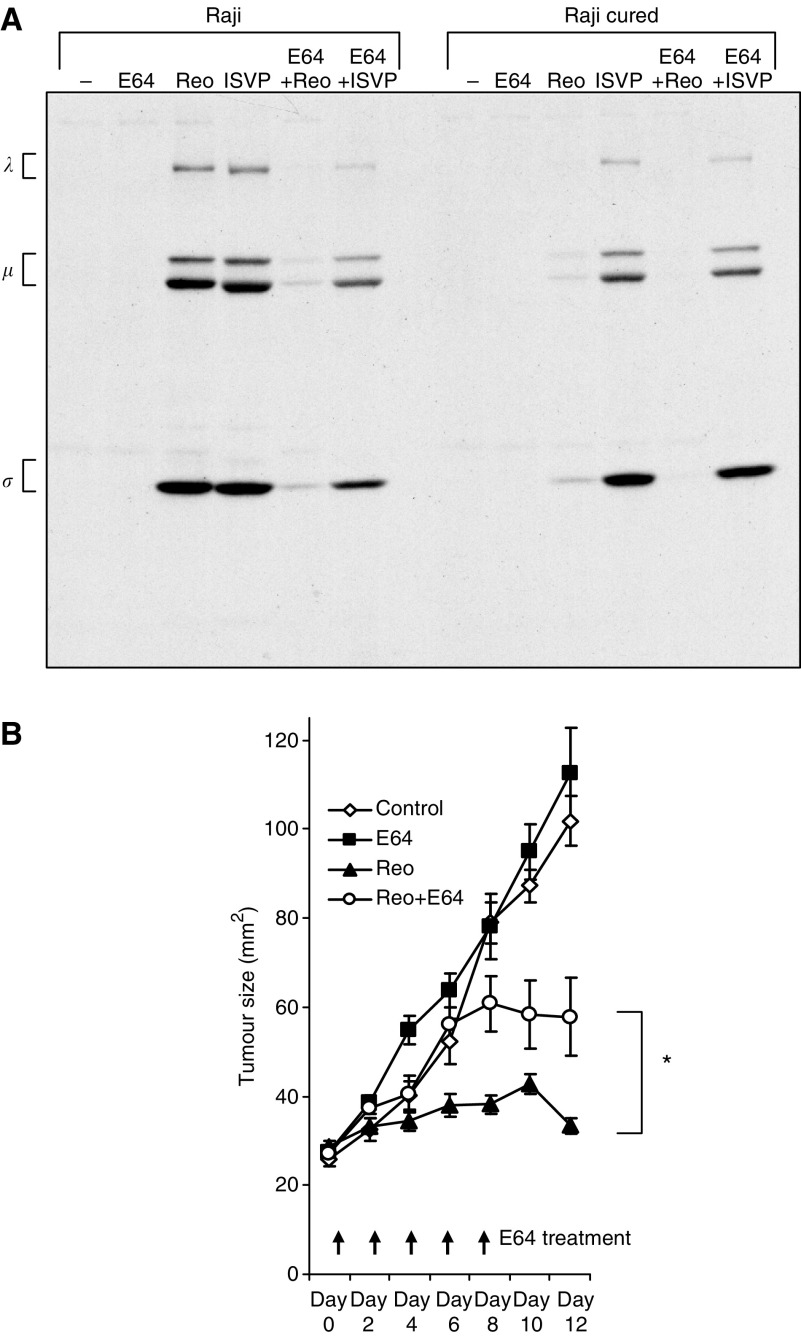
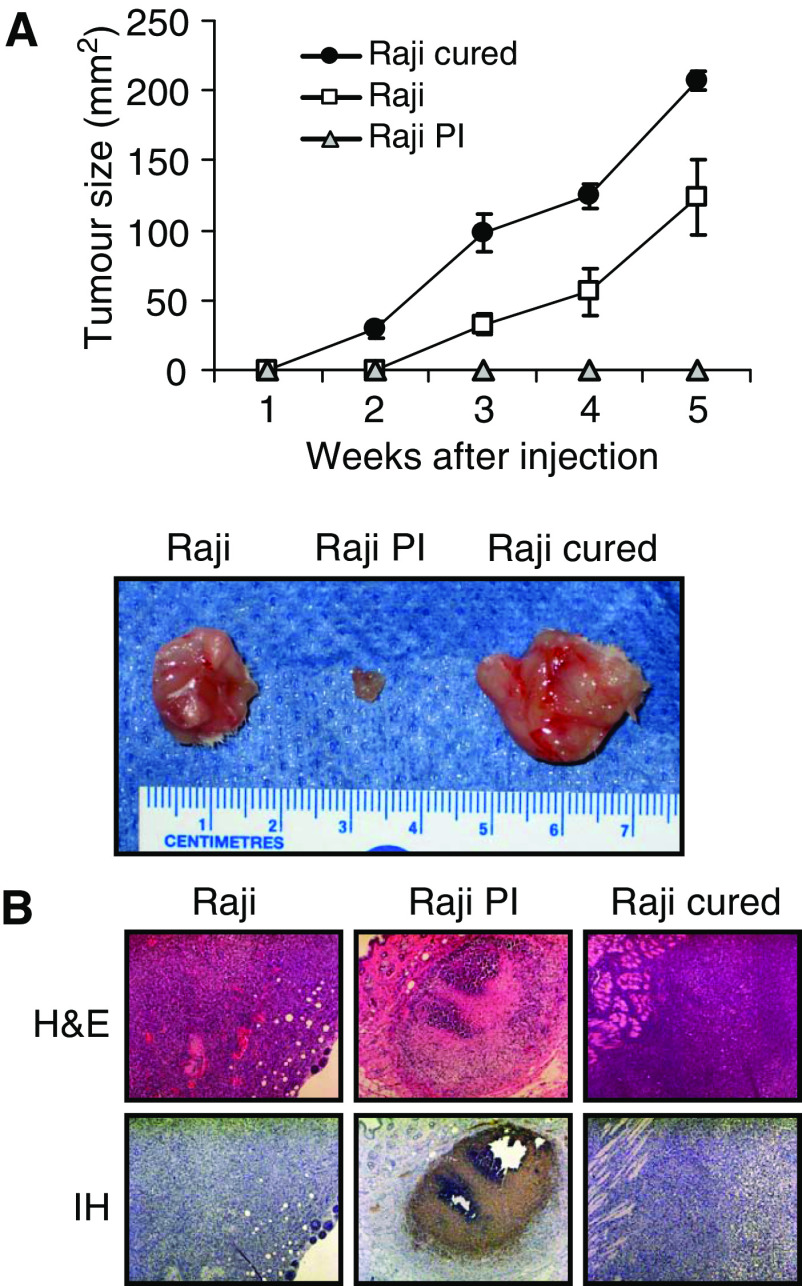
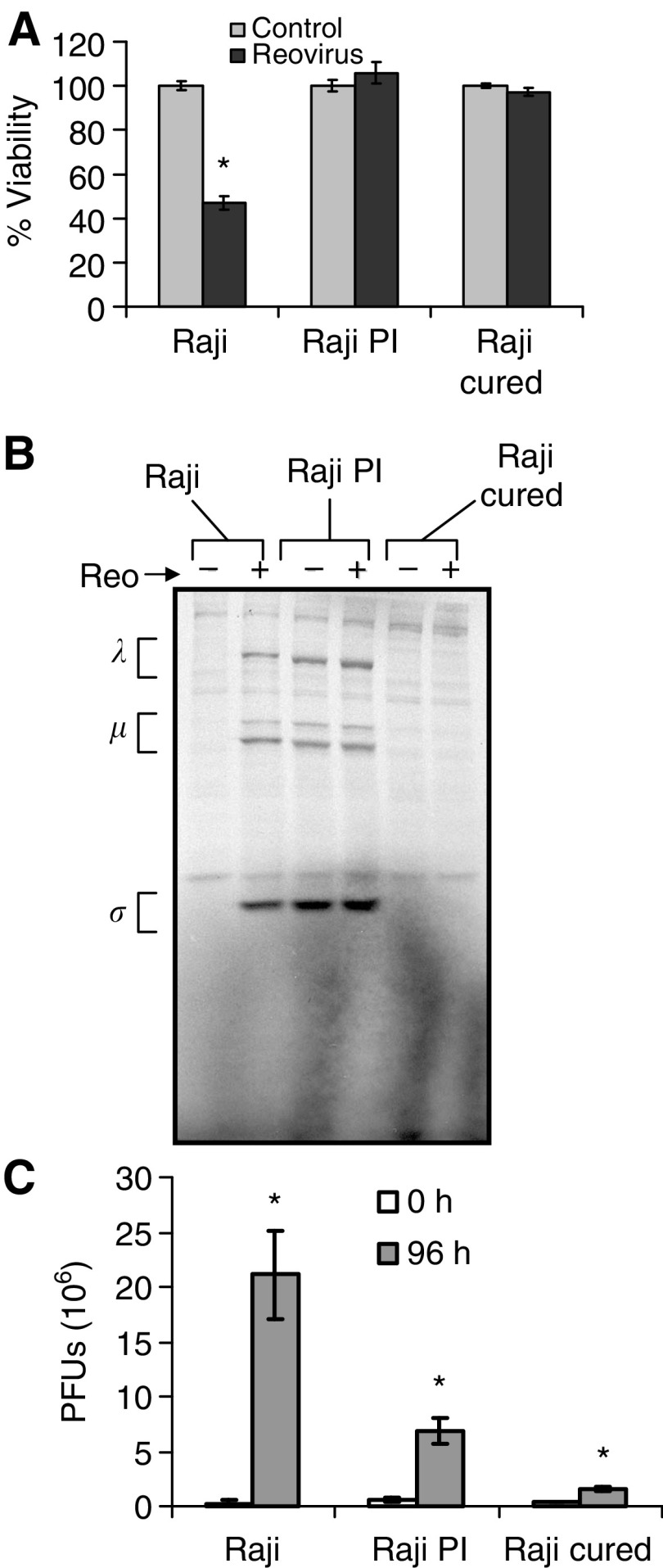
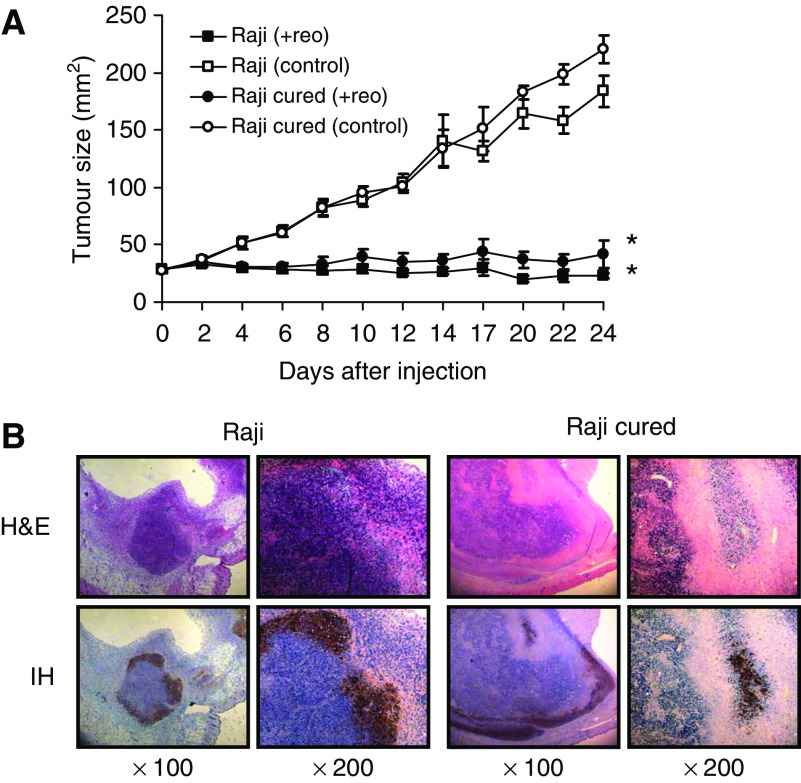
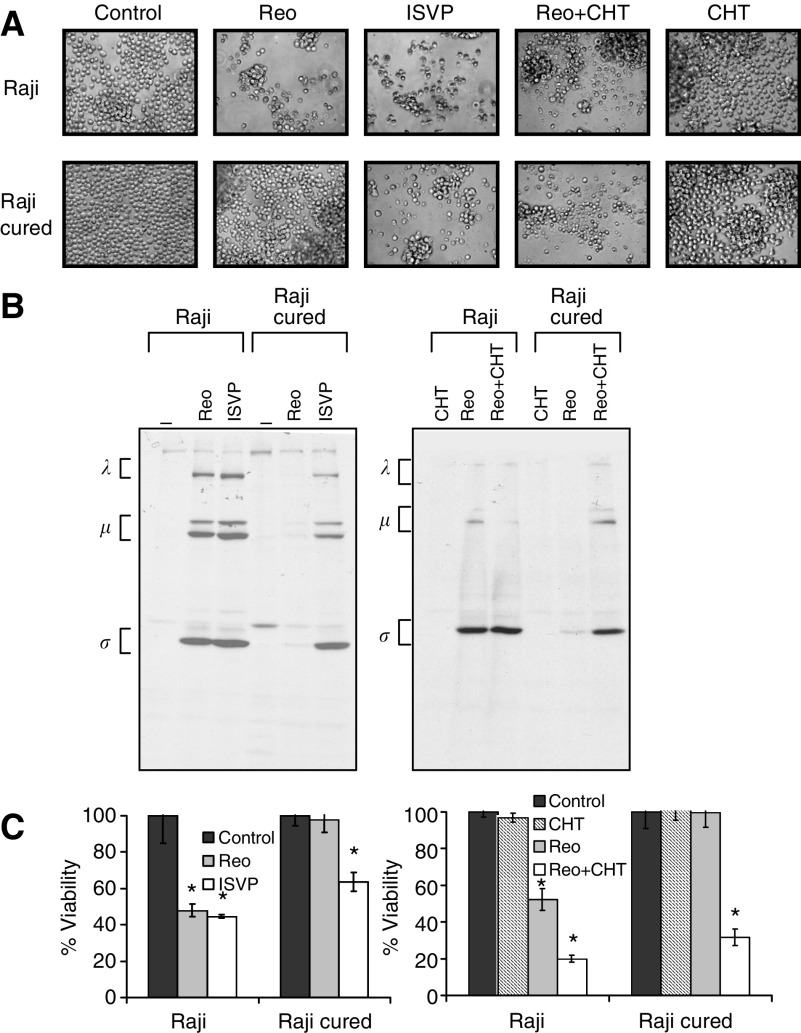
The use of oncolytic viruses has received considerable attention in recent years and many viruses have proved to be effective against a variety of cancer models and a few are currently being used in clinical trials. However, the possible emergence and outcome of virus-resistant tumour cells has not been addressed. We previously reported the effective use of reovirus against lymphoid malignancies, including the Burkitt's lymphoma cell line Raji. Here we isolated in vitro persistently infected (PI) Raji cells, and cells 'cured' of persistent reovirus infection ('cured' cells). Both PI and cured Raji cells resisted reovirus infection and cell killing in vitro. In vivo, the PI cells were non-tumorigenic in SCID mice, but cured cells regained the parental cells' ability to form tumours. Tumour xenografts from the cured cells, however, were highly susceptible to reovirus oncolysis in vivo. This susceptibility was due to the proteolytic environment within tumours that facilitates reovirus infection and cell killing. Our results show that persistent infection by reovirus impedes tumour development and that although PI cells cleared of reovirus are tumorigenic, they are killed upon rechallenge with reovirus. Both the PI and cured states are therefore not likely to be significant barriers to reovirus oncolytic therapy.
近年来,溶瘤病毒的应用受到了广泛关注,许多病毒已被证明对多种癌症模型有效,目前有几种正在进行临床试验。然而,病毒抗性肿瘤细胞的可能出现及结果尚未得到解决。我们之前报道了呼肠孤病毒对包括伯基特淋巴瘤细胞系Raji在内的淋巴恶性肿瘤的有效应用。在此,我们在体外分离出持续感染(PI)的Raji细胞以及“治愈”了持续性呼肠孤病毒感染的细胞(“治愈”细胞)。PI细胞和治愈的Raji细胞在体外均能抵抗呼肠孤病毒感染和细胞杀伤。在体内,PI细胞在SCID小鼠中无致瘤性,但治愈细胞恢复了亲代细胞形成肿瘤的能力。然而,来自治愈细胞的肿瘤异种移植在体内对呼肠孤病毒溶瘤高度敏感。这种敏感性归因于肿瘤内的蛋白水解环境,其有助于呼肠孤病毒感染和细胞杀伤。我们的结果表明,呼肠孤病毒的持续感染会阻碍肿瘤发展,并且尽管清除了呼肠孤病毒的PI细胞具有致瘤性,但在用呼肠孤病毒再次攻击时它们会被杀死。因此,PI状态和治愈状态都不太可能成为呼肠孤病毒溶瘤治疗的重大障碍。