
非洲爪蟾卵母细胞中重组双链断裂修复模型的测试。
Test of the double-strand-break repair model of recombination in Xenopus laevis oocytes.
作者信息
Jeong-Yu S J, Carroll D
机构信息
Department of Biochemistry, University of Utah School of Medicine, Salt Lake City 84132.
出版信息
Mol Cell Biol. 1992 Jan;12(1):112-9. doi: 10.1128/mcb.12.1.112-119.1992.
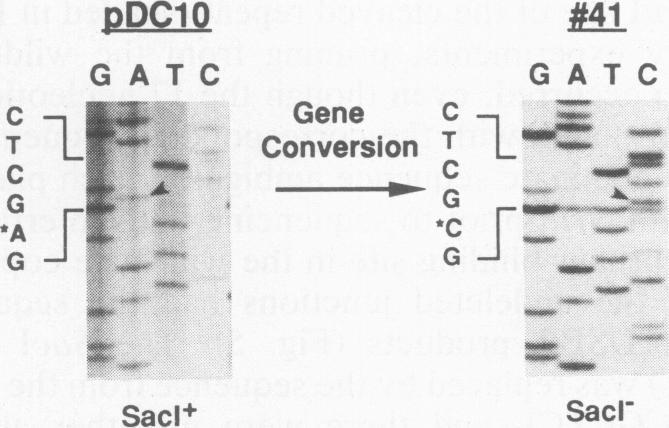
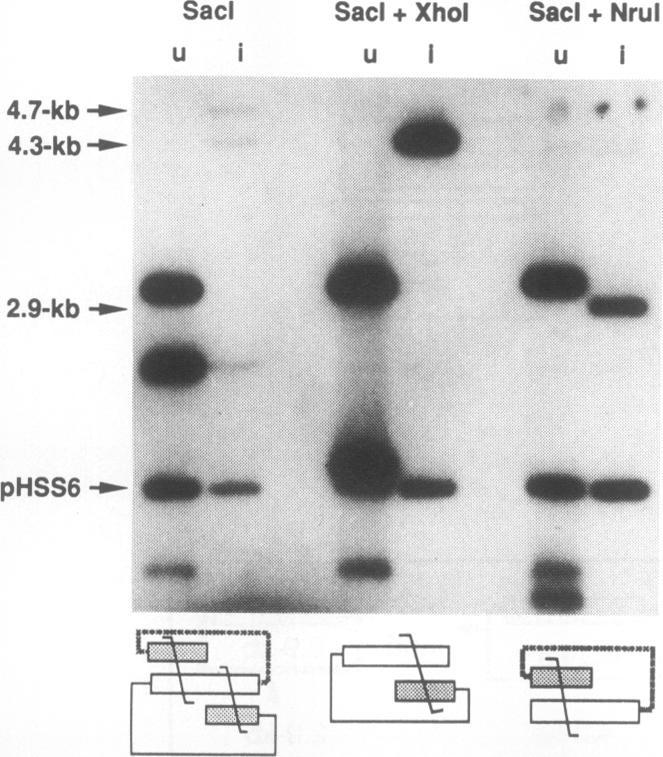
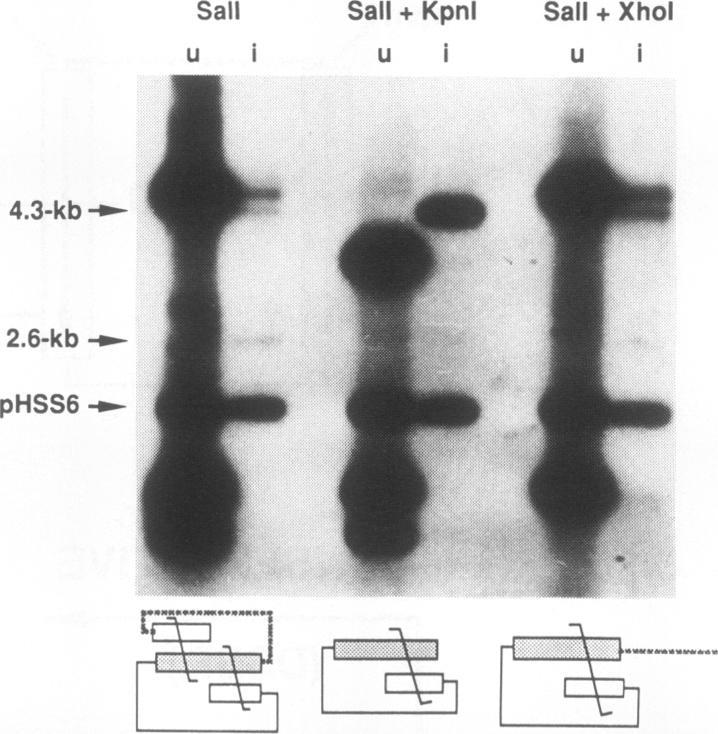
A direct test was made of predictions of the double-strand-break repair (DSBR) model of recombination in Xenopus laevis oocytes. The DNA substrate injected into oocytes had two directly repeated copies of a 1.25-kb sequence and was cleaved within one of them. Different products were expected to result from concerted, conservative events, as predicted by the DSBR model, and from nonconservative events. Only very low levels of recombination products, both conservative and nonconservative, were observed. When individual, apparent DSBR products were cloned and characterized, it emerged that the majority of them had arisen by nonconservative recombination through short, terminal homologies and not from the gene conversion events predicted for DSBR. Two cloned products among 44 tested corresponded to the predications of the DSBR model, but these could also have been generated by other processes. The most efficient recombination events in oocytes are nonconservative and are based on long, terminal homologous overlaps; when these are not available, short, imperfect overlaps support a lower level of nonconservative recombination; genuine, conservative DSBR events occur rarely, if at all.
针对非洲爪蟾卵母细胞中重组的双链断裂修复(DSBR)模型的预测进行了直接测试。注入卵母细胞的DNA底物有一个1.25 kb序列的两个直接重复拷贝,并在其中一个拷贝内被切割。如DSBR模型所预测的,协同、保守事件以及非保守事件预计会产生不同的产物。仅观察到非常低水平的保守和非保守重组产物。当对单个明显的DSBR产物进行克隆和表征时,发现它们中的大多数是通过短的末端同源性的非保守重组产生的,而不是来自DSBR预测的基因转换事件。在44个测试产物中,有两个克隆产物符合DSBR模型的预测,但这些也可能是由其他过程产生的。卵母细胞中最有效的重组事件是非保守的,且基于长的末端同源重叠;当不存在这些重叠时,短的、不完美的重叠支持较低水平的非保守重组;真正的保守DSBR事件即使发生也很少。

 Zotero 插件