Bennett Tyler N, Patel Jigar, Ferdig Michael T, Roepe Paul D
Department of Chemistry, Georgetown University, 37th and O Streets, Washington, DC 20057, United States.
Mol Biochem Parasitol. 2007 May;153(1):48-58. doi: 10.1016/j.molbiopara.2007.01.018. Epub 2007 Feb 8.
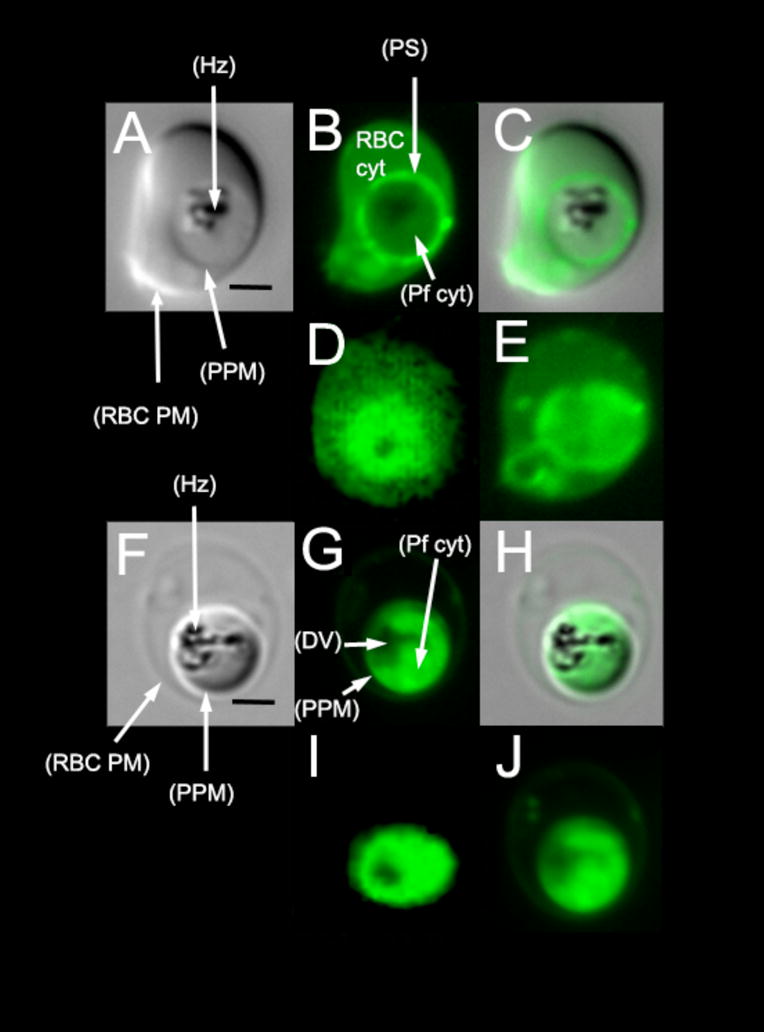
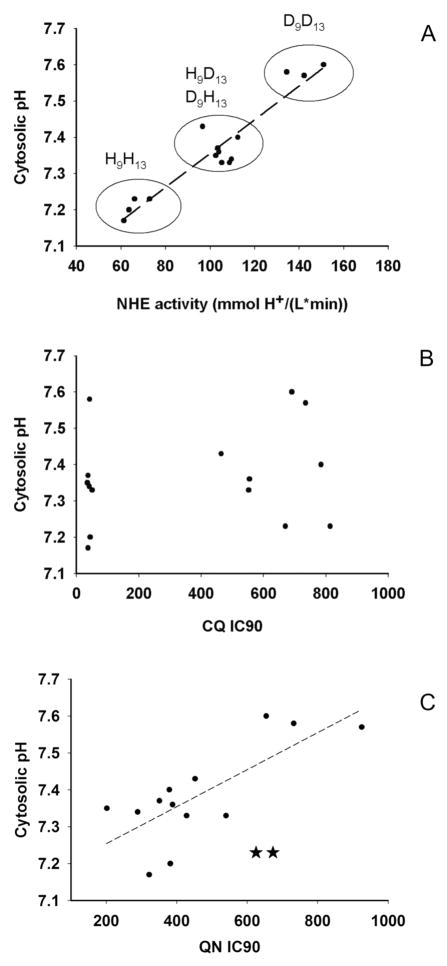
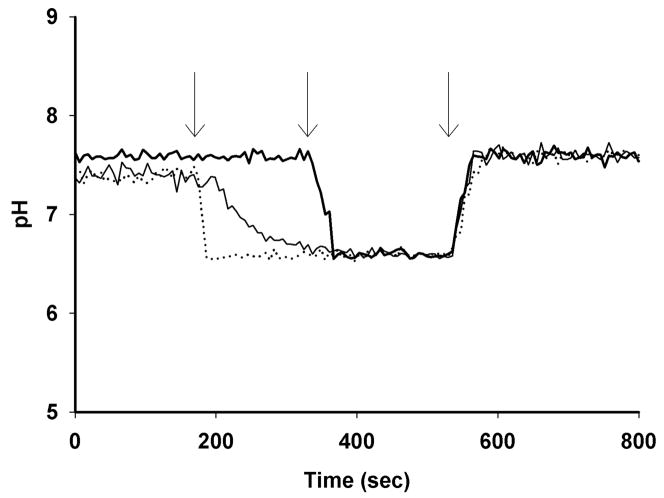
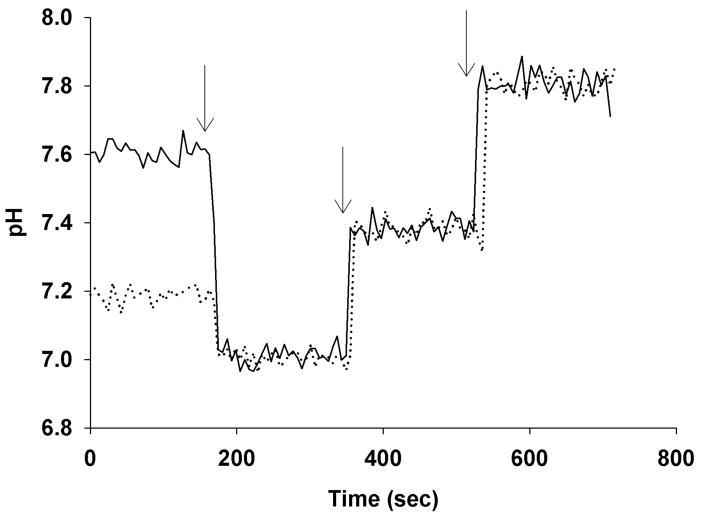
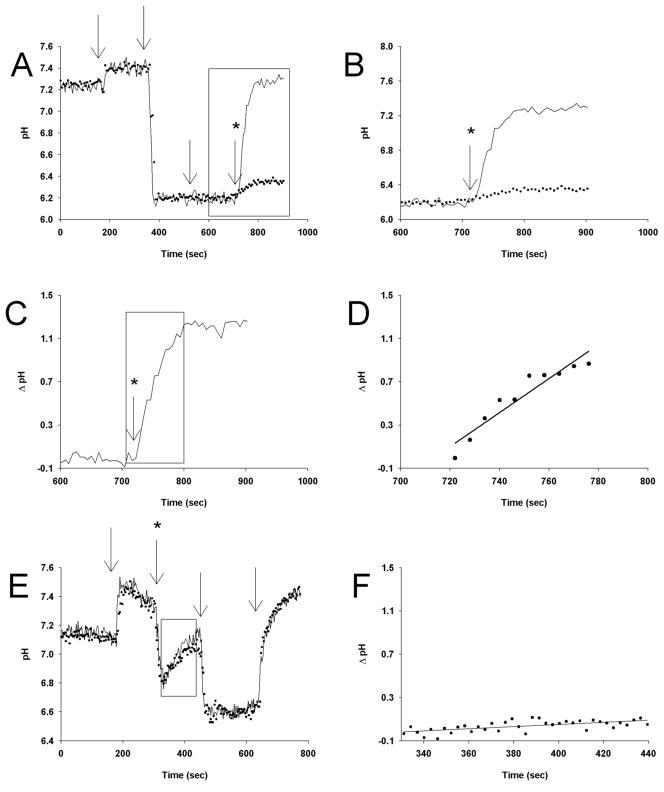
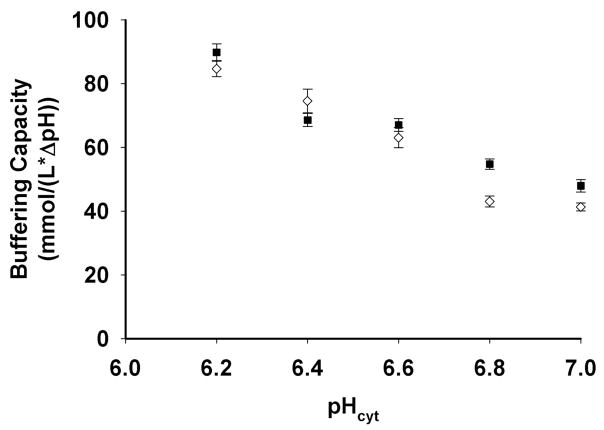
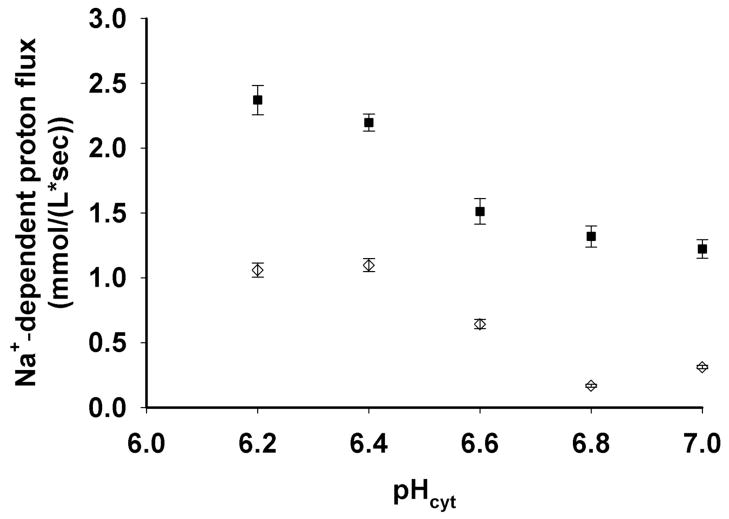
Mutations in the Plasmodium falciparum pfcrt gene cause resistance to the 4-amino quinoline chloroquine (CQ) and other antimalarial drugs. Mutations and/or overexpression of a P. falciparum multidrug resistance gene homologue (pfmdr1) may further modify or tailor the degree of quinoline drug resistance. Recently [Ferdig MT, Cooper RA, Mu JB, et al. Dissecting the loci of low-level quinine resistance in malaria parasites. Mol Microbiol 2004;52:985-97] QTL analysis further implicated a region of P. falciparum chromosome 13 as a partner (with pfcrt) in conferring resistance to the first quinoline-based antimalarial drug, quinine (QN). Since QN resistance (QNR) and CQR are often (but not always) observed together in parasite strains, since elevated cytosolic pH is frequently (but not always) found in CQR parasites, and since the chr 13 segment linked to QNR prominently harbors a gene encoding what appears to be a P. falciparum Na(+)/H(+) exchanger (PfNHE), we have systematically measured cytosolic pH and PfNHE activity for an extended series of parasite strains used in the QTL analysis. Altered PfNHE activity does not correlate with CQR as previously proposed, but significantly elevated PfNHE activity is found for strains with high levels of QNR, regardless their CQR status. We propose that either an elevated pH(cyt) or a higher vacuolar pH-to-cytosolic pH gradient contributes to one common route to malarial QNR that is also characterized by recently defined chr 13-chr 9 pairwise interactions. Based on sequence analysis we propose a model whereby observed polymorphisms in PfNHE may lead to altered Na(+)/H(+) set point regulation in QNR parasites.
恶性疟原虫pfcrt基因的突变会导致对4-氨基喹啉类氯喹(CQ)及其他抗疟药物产生耐药性。恶性疟原虫多药耐药基因同源物(pfmdr1)的突变和/或过表达可能会进一步改变或调整喹啉类药物耐药程度。最近[费迪格MT,库珀RA,穆JB等。剖析疟原虫中低水平奎宁耐药性的基因座。分子微生物学2004;52:985 - 97]数量性状基因座分析进一步表明,恶性疟原虫13号染色体上的一个区域是(与pfcrt一起)赋予对首个基于喹啉的抗疟药物奎宁(QN)耐药性的一个因素。由于在寄生虫株中常常(但并非总是)同时观察到奎宁耐药性(QNR)和氯喹耐药性(CQR),由于在CQR寄生虫中经常(但并非总是)发现胞质pH升高,并且由于与QNR相关的13号染色体片段中显著含有一个编码看似恶性疟原虫Na(+)/H(+)交换体(PfNHE)的基因,我们已针对数量性状基因座分析中使用的一系列寄生虫株系统地测量了胞质pH和PfNHE活性。PfNHE活性的改变与先前提出的CQR并无关联,但在具有高水平QNR的菌株中发现PfNHE活性显著升高,无论其CQR状态如何。我们提出,要么是胞质pH升高,要么是更高的液泡pH与胞质pH梯度促成了疟原虫QNR的一条共同途径,该途径的特征还包括最近定义的13号染色体 - 9号染色体成对相互作用。基于序列分析,我们提出了一个模型,据此PfNHE中观察到的多态性可能导致QNR寄生虫中Na(+)/H(+)设定点调节发生改变。