Bi Lian Xiang, Wiren Kristine M, Zhang Xiao-Wei, Oliveira Gisele V, Klein Gordon L, Mainous Elgene G, Herndon David N
Department of Oral and Maxillofacial Surgery, University of Texas Medical Branch, Galveston, TX, USA.
J Burns Wounds. 2007 Mar 7;6:e4.
Oxandrolone, administered to severely burned children over the first year postburn, produces increased lean body mass by 6 months; however, an increase in total body bone mineral requires 12 months. Consequently, this bone mineral response may be due to increased muscle mass. Alternatively, oxandrolone may act directly on bone. The current study seeks to determine whether oxandrolone can transactivate the androgen receptor in osteoblasts.
Collagen, alkaline phosphatase, osteocalcin, osteoprotegerin, and androgen receptor abundance were determined by qRT-PCR, confocal laser scanning microscopy, or immunoquantitative assay. To determine the effect of oxandrolone on gene expression in differentiated cells, osteocytic cultures were grown to confluence in differentiation medium and then treated 24 hours or 5 days with 15 microg/mL oxandrolone.
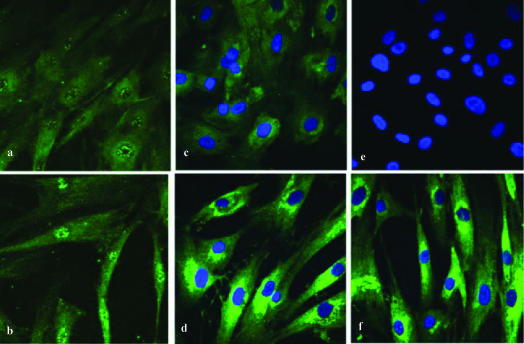
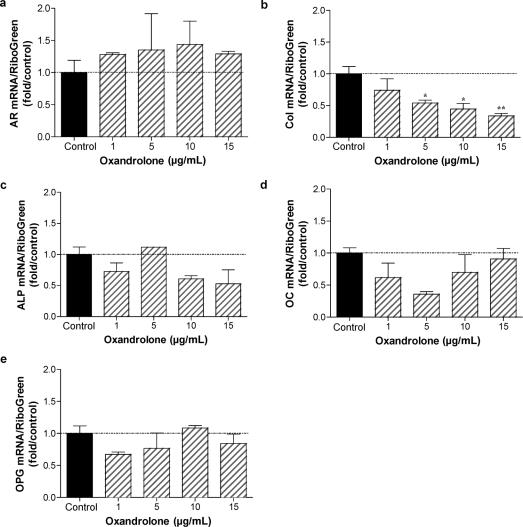
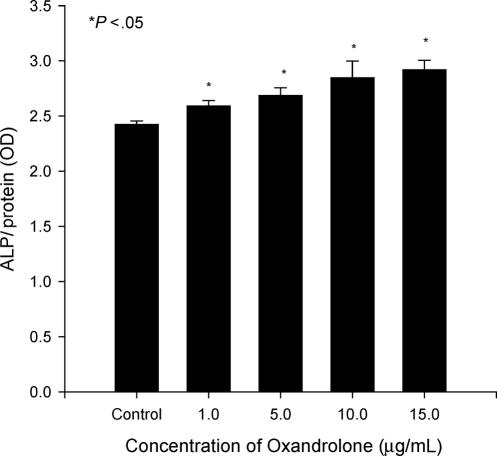
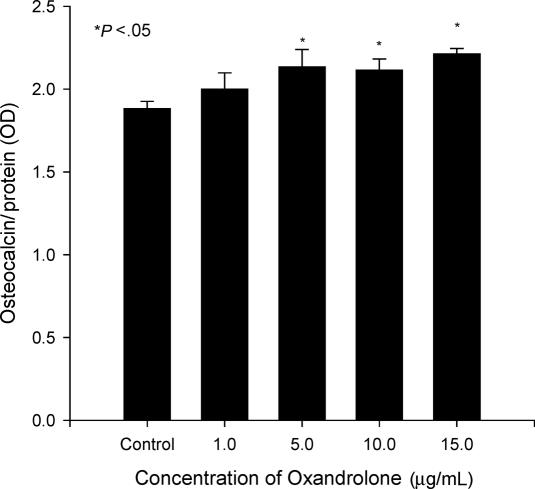
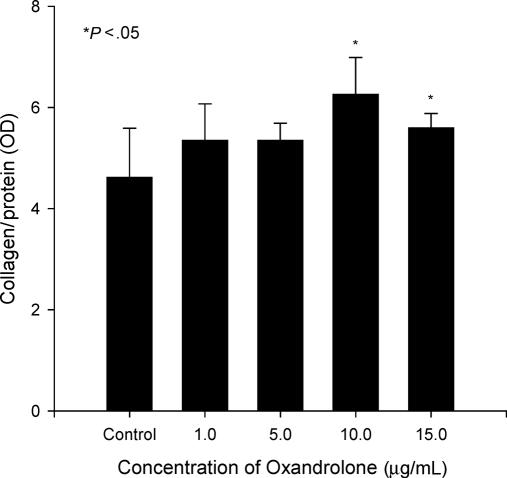
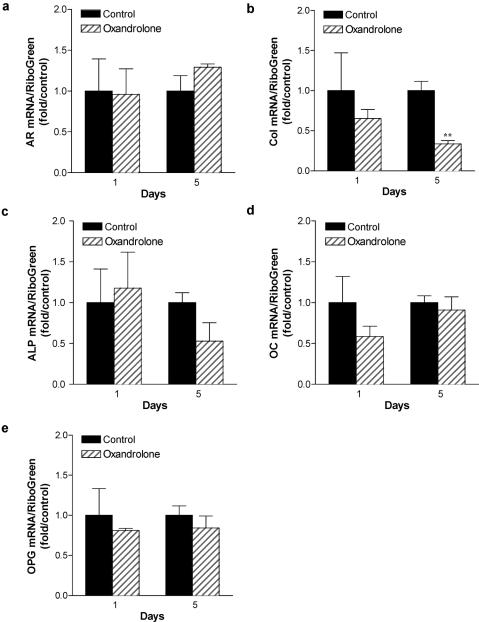
Increased nuclear fluorescence of the androgen receptor and increased cellular type I collagen were observed with oxandrolone at 15 and 30 microg/mL but not at lower doses. Alkaline phosphatase (7%-20%) and osteocalcin (13%-18%) increases were modest but significant. Short-term treatment produced no significant effects, but at 5 days androgen receptor levels were increased while collagen levels were significantly decreased, with little effect on alkaline phosphatase, osteocalcin, or osteoprotegerin.
These data suggest oxandrolone can stimulate production of osteoblast differentiation markers in proliferating osteoblastic cells, most likely through the androgen receptor; however, with longer treatment in mature cells, oxandrolone decreases collagen expression. Thus it is possible that oxandrolone given to burned children acts directly on immature osteoblasts to stimulate collagen production, but also may have positive effects to increase bone mineral through other mechanisms.
对严重烧伤儿童在烧伤后第一年使用氧雄龙,6个月时可增加瘦体重;然而,全身骨矿物质增加则需要12个月。因此,这种骨矿物质反应可能是由于肌肉量增加所致。或者,氧雄龙可能直接作用于骨骼。本研究旨在确定氧雄龙是否能在成骨细胞中转活雄激素受体。
通过定量逆转录聚合酶链反应、共聚焦激光扫描显微镜或免疫定量测定法来测定胶原蛋白、碱性磷酸酶、骨钙素、骨保护素和雄激素受体的丰度。为了确定氧雄龙对分化细胞中基因表达的影响,将骨细胞培养物在分化培养基中培养至汇合,然后用15微克/毫升的氧雄龙处理24小时或5天。
在15和30微克/毫升的氧雄龙处理下观察到雄激素受体的核荧光增加以及细胞I型胶原蛋白增加,但较低剂量时未观察到。碱性磷酸酶(增加7%-20%)和骨钙素(增加13%-18%)虽增加幅度不大但具有统计学意义。短期处理未产生显著影响,但在5天时雄激素受体水平增加而胶原蛋白水平显著降低,对碱性磷酸酶、骨钙素或骨保护素影响不大。
这些数据表明氧雄龙最有可能通过雄激素受体刺激增殖的成骨细胞中骨细胞分化标志物的产生;然而,在成熟细胞中进行较长时间处理时,氧雄龙会降低胶原蛋白表达。因此,给烧伤儿童使用氧雄龙有可能直接作用于未成熟的成骨细胞以刺激胶原蛋白产生,但也可能通过其他机制对增加骨矿物质产生积极作用。