De Luca Antonella, Sacchetta Paolo, Nieddu Marzia, Di Ilio Carmine, Favaloro Bartolo
Department of Biomedical Sciences, University of Chieti G, D'Annunzio School of Medicine, and Unit of Gene Regulation, Center of Excellence on Aging, G, D'Annunzio University Foundation, Chieti, Italy.
BMC Mol Biol. 2007 May 22;8:39. doi: 10.1186/1471-2199-8-39.
Methionine sulfoxide reductases (Msrs) are enzymes that catalyze the reduction of oxidized methionine residues. Most organisms that were genetically modified to lack the MsrA gene have shown shortening of their life span. Methionine sulfoxide reductases B (MsrB) proteins codified by three separate genes, named MsrB1, MsrB2, and MsrB3, are included in the Msrs system. To date, the mechanisms responsible for the transcriptional regulation of MsrB genes have not been reported. The aim of this study was to investigate the regulation of MsrB1 selenoprotein levels through transcriptional regulation of the MsrB1 gene in MDA-MB231 and MCF-7 breast carcinoma cell lines.
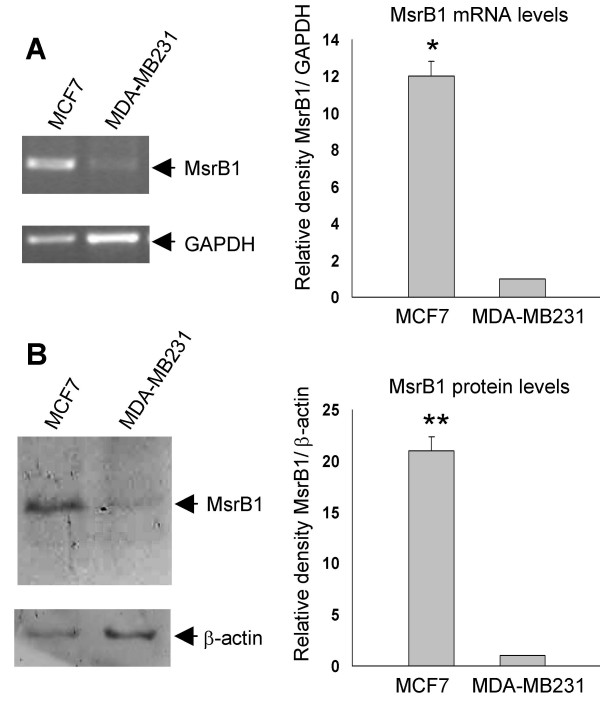
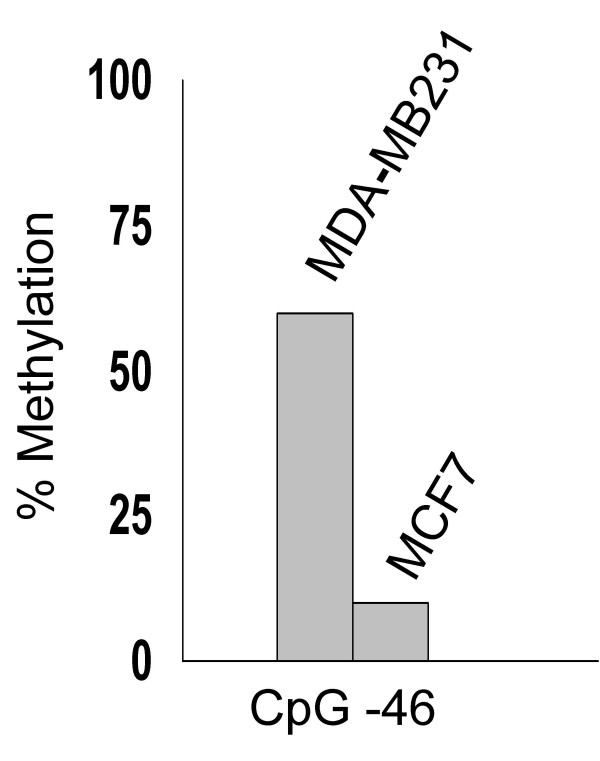
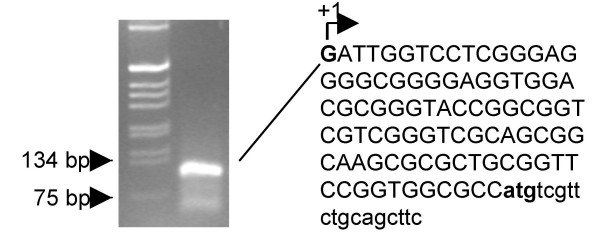
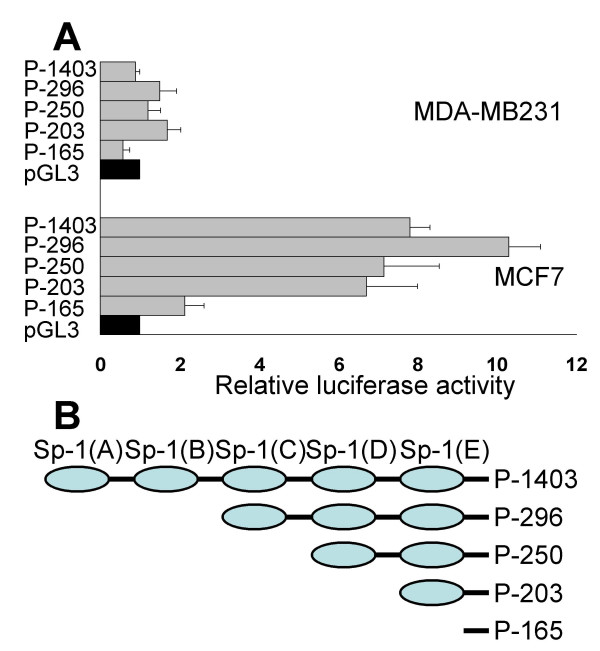
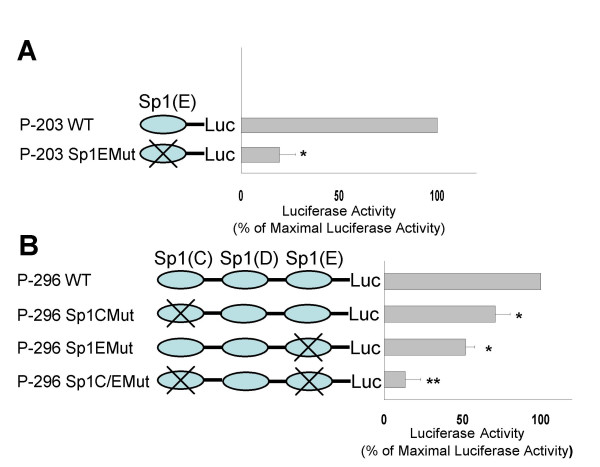
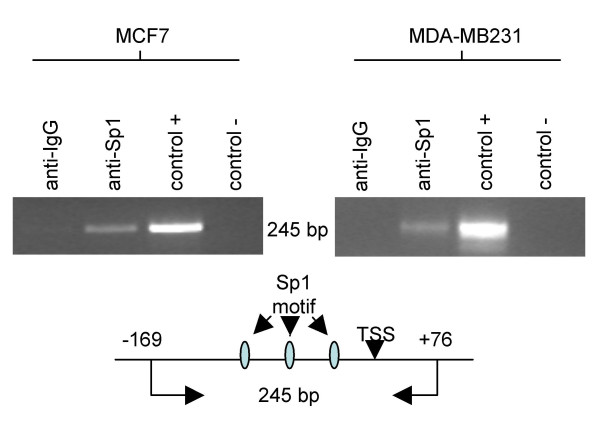
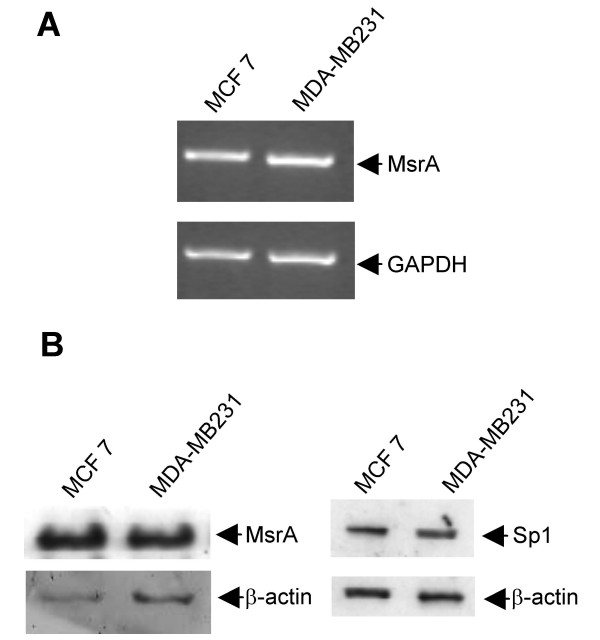
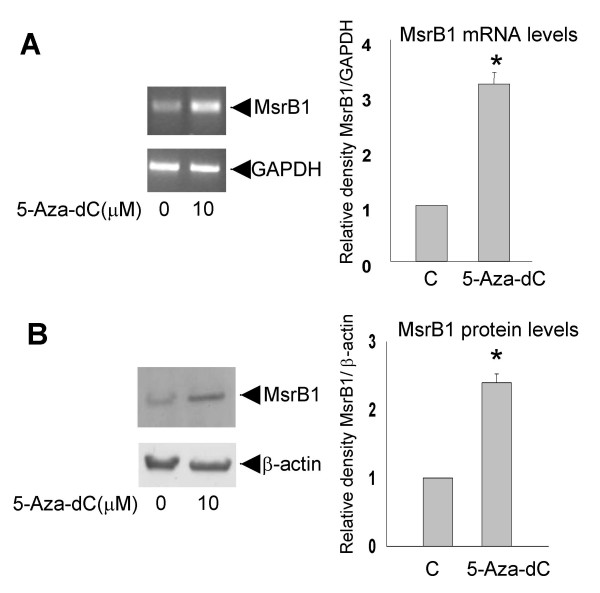
A MsrB1 gene promoter is located 169 base pairs upstream from the transcription start site. It contains three Sp1 binding sites which are sufficient for maximal promoter activity in transient transfection experiments. High levels of MsrB1 transcript, protein and promoter activity were detected in low metastatic MCF7 human breast cancer cells. On the contrary, very low levels of both MsrB1 transcript and promoter activity were detected in the highly metastatic counterpart MDA-MB231 cells.A pivotal role for Sp1 in the constitutive expression of the MsrB1 gene was demonstrated through transient expression of mutant MsrB1 promoter-reporter gene constructs and chromatin immunoprecipitation experiments. Since Sp1 is ubiquitously expressed, these sites, while necessary, are not sufficient to explain the patterns of gene expression of MsrB1 in various human breast cancer cells. MDA-MB231 cells can be induced to express MsrB1 by treatment with 5-Aza-2'-deoxycytidine, a demethylating agent. Therefore, the MsrB1 promoter is controlled by epigenetic modifications.
The results of this study provide the first insights into the transcriptional regulation of the human MsrB1 gene, including the discovery that the Sp1 transcription factor may play a central role in its expression. We also demonstrated that the MsrB1 promoter activity appears to be controlled by epigenetic modifications such as methylation.
甲硫氨酸亚砜还原酶(Msrs)是催化氧化甲硫氨酸残基还原的酶。大多数经基因改造而缺乏MsrA基因的生物体寿命都缩短了。由甲硫氨酸亚砜还原酶B(MsrB)蛋白由三个分别名为MsrB1、MsrB2和MsrB3的基因编码,它们包含在Msrs系统中。迄今为止,尚未报道负责MsrB基因转录调控的机制。本研究的目的是通过对MDA-MB231和MCF-7乳腺癌细胞系中MsrB1基因的转录调控来研究MsrB1硒蛋白水平的调控。
MsrB1基因启动子位于转录起始位点上游169个碱基对处。它包含三个Sp1结合位点,在瞬时转染实验中,这些位点足以实现最大启动子活性。在低转移性MCF7人乳腺癌细胞中检测到高水平的MsrB1转录本、蛋白质和启动子活性。相反,在高转移性的MDA-MB231细胞中检测到MsrB1转录本和启动子活性都非常低。通过突变MsrB1启动子-报告基因构建体的瞬时表达和染色质免疫沉淀实验,证明了Sp1在MsrB1基因组成型表达中的关键作用。由于Sp1在各处都有表达,这些位点虽然是必需的,但不足以解释MsrB1在各种人乳腺癌细胞中的基因表达模式。MDA-MB231细胞可用脱甲基剂5-氮杂-2'-脱氧胞苷处理诱导表达MsrB1。因此,MsrB1启动子受表观遗传修饰的控制。
本研究结果首次揭示了人类MsrB1基因的转录调控,包括发现Sp1转录因子可能在其表达中起核心作用。我们还证明了MsrB1启动子活性似乎受甲基化等表观遗传修饰的控制。