Department of Nuclear Medicine, Albert Einstein College of Medicine, Bronx, New York, United States of America.
PLoS One. 2007 May 23;2(5):e457. doi: 10.1371/journal.pone.0000457.
Melanin pigments are ubiquitous in nature. Melanized microorganisms are often the dominating species in certain extreme environments, such as soils contaminated with radionuclides, suggesting that the presence of melanin is beneficial in their life cycle. We hypothesized that ionizing radiation could change the electronic properties of melanin and might enhance the growth of melanized microorganisms.
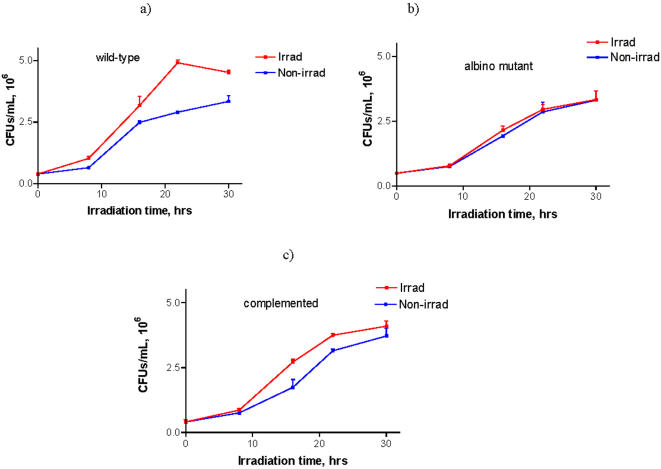
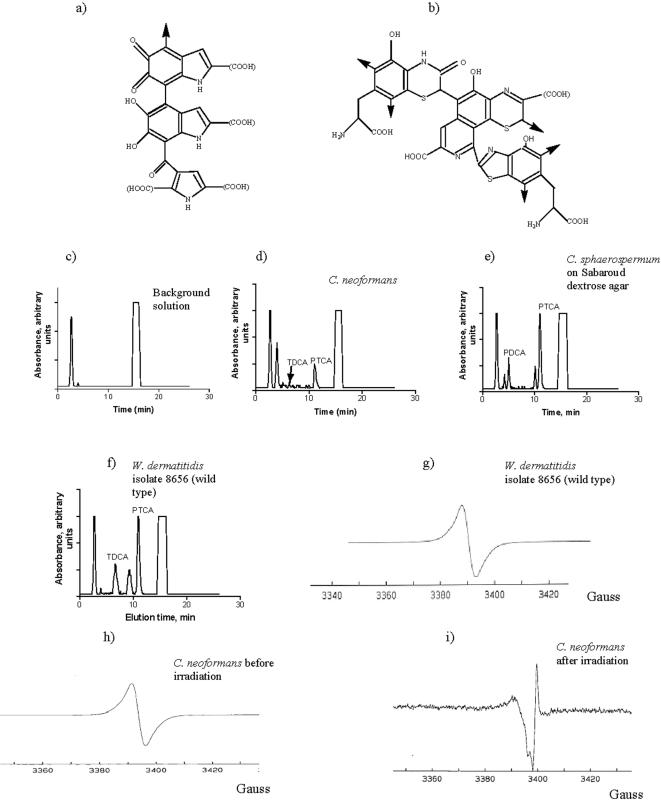
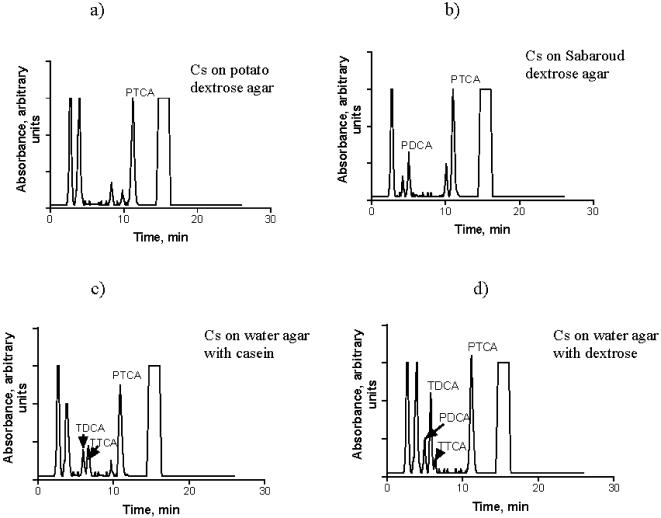
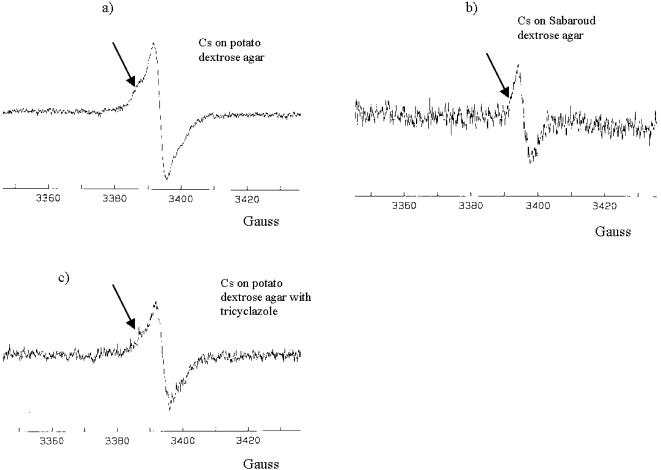
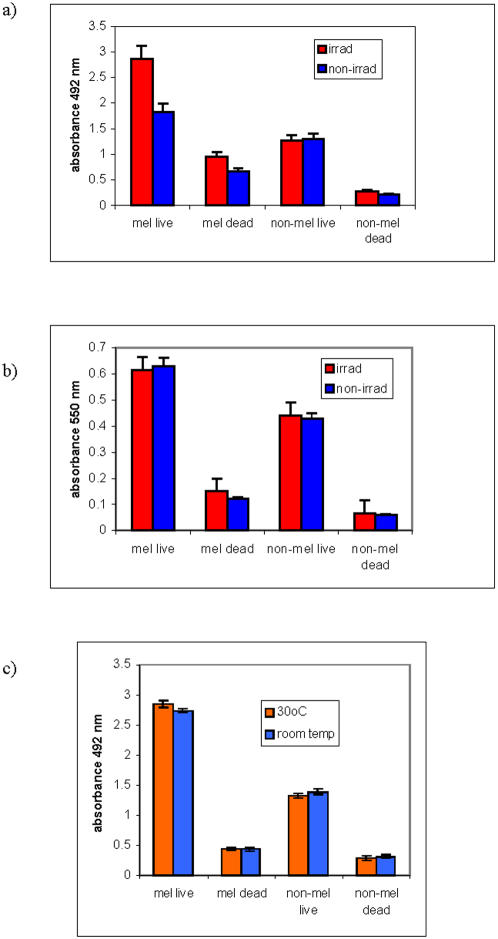
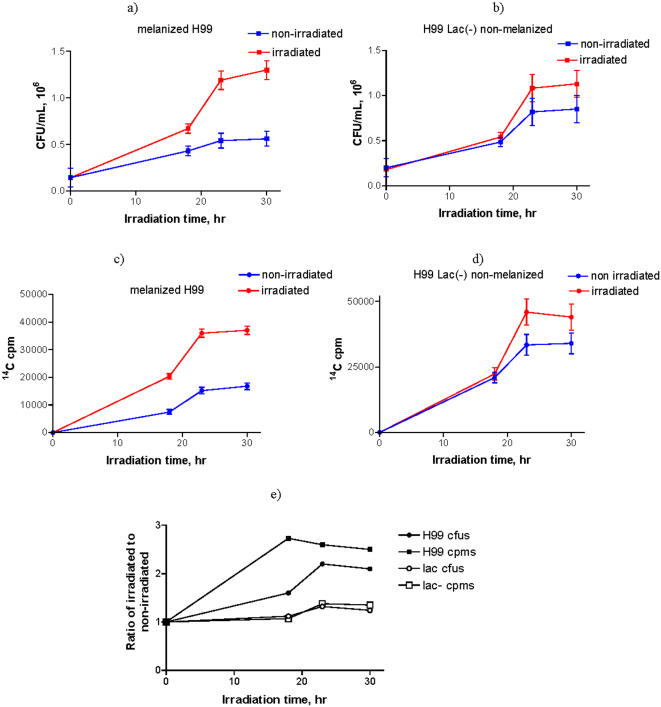
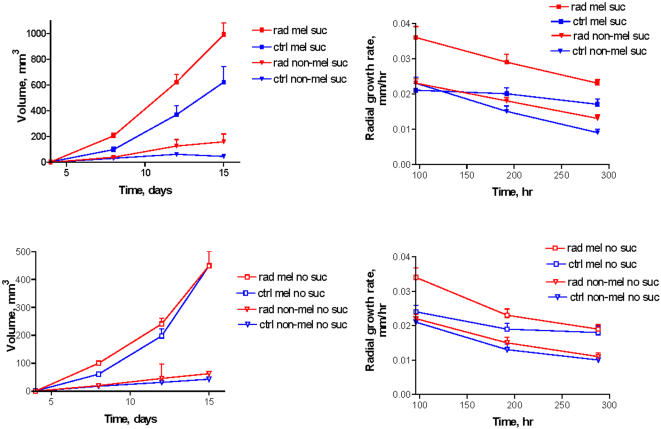
METHODOLOGY/PRINCIPAL FINDINGS: Ionizing irradiation changed the electron spin resonance (ESR) signal of melanin, consistent with changes in electronic structure. Irradiated melanin manifested a 4-fold increase in its capacity to reduce NADH relative to non-irradiated melanin. HPLC analysis of melanin from fungi grown on different substrates revealed chemical complexity, dependence of melanin composition on the growth substrate and possible influence of melanin composition on its interaction with ionizing radiation. XTT/MTT assays showed increased metabolic activity of melanized C. neoformans cells relative to non-melanized cells, and exposure to ionizing radiation enhanced the electron-transfer properties of melanin in melanized cells. Melanized Wangiella dermatitidis and Cryptococcus neoformans cells exposed to ionizing radiation approximately 500 times higher than background grew significantly faster as indicated by higher CFUs, more dry weight biomass and 3-fold greater incorporation of (14)C-acetate than non-irradiated melanized cells or irradiated albino mutants. In addition, radiation enhanced the growth of melanized Cladosporium sphaerospermum cells under limited nutrients conditions.
CONCLUSIONS/SIGNIFICANCE: Exposure of melanin to ionizing radiation, and possibly other forms of electromagnetic radiation, changes its electronic properties. Melanized fungal cells manifested increased growth relative to non-melanized cells after exposure to ionizing radiation, raising intriguing questions about a potential role for melanin in energy capture and utilization.
黑色素在自然界中普遍存在。在受放射性核素污染的土壤等某些极端环境中,黑色素微生物通常是占主导地位的物种,这表明黑色素的存在有助于其生命周期。我们假设电离辐射可以改变黑色素的电子特性,并可能促进黑色素微生物的生长。
方法/主要发现:电离辐射改变了黑色素的电子自旋共振(ESR)信号,与电子结构的变化一致。与未辐照的黑色素相比,辐照后的黑色素还原 NADH 的能力增加了 4 倍。对不同基质上生长的真菌黑色素的 HPLC 分析显示其化学复杂性,黑色素组成取决于生长基质,黑色素组成可能对其与电离辐射的相互作用有影响。XTT/MTT 分析表明,与非黑色素化细胞相比,黑色素化新生隐球菌细胞的代谢活性增加,而电离辐射增强了黑色素化细胞中黑色素的电子转移特性。暴露于比背景高出约 500 倍的电离辐射下的黑色素化皮炎外瓶霉和新生隐球菌细胞生长速度明显加快,表现为 CFU 更高、干重生物量更多以及(14)C-乙酸的掺入量增加 3 倍,而非辐照黑色素化细胞或辐照白化突变体。此外,辐射增强了在有限营养条件下黑色素化枝孢霉细胞的生长。
结论/意义:暴露于电离辐射(可能还有其他形式的电磁辐射)会改变黑色素的电子特性。与非黑色素化细胞相比,暴露于电离辐射后的黑色素化真菌细胞的生长速度加快,这提出了一个有趣的问题,即黑色素在能量捕获和利用方面可能发挥作用。