Fang Ye, Ferrie Ann M
Biochemical Technologies, Science and Technology Division, Corning Incorporated, Sullivan Park, Corning, NY 14831, USA.
BMC Cell Biol. 2007 Jun 22;8:24. doi: 10.1186/1471-2121-8-24.
Protease activated receptors (PARs) consist of a family of four G protein-coupled receptors. Many types of cells express several PARs, whose physiological significance is mostly unknown.
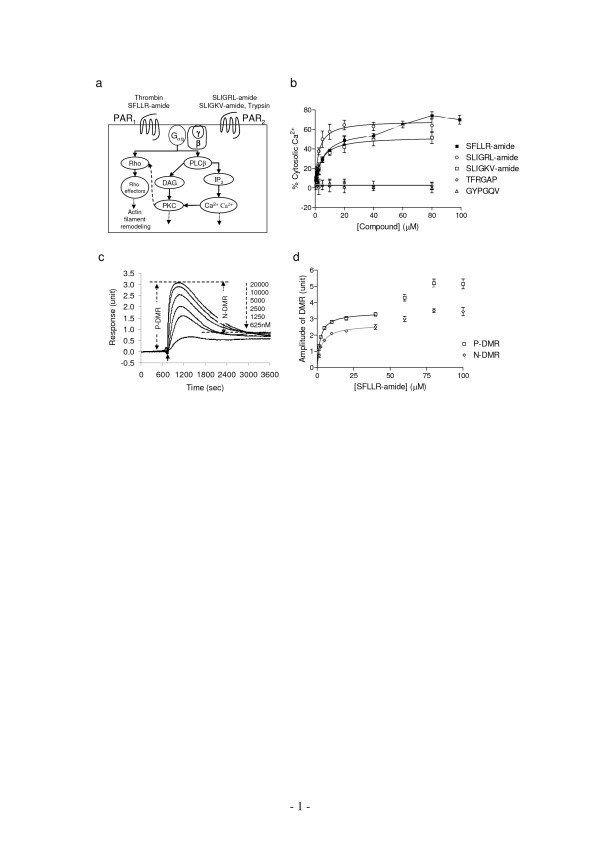
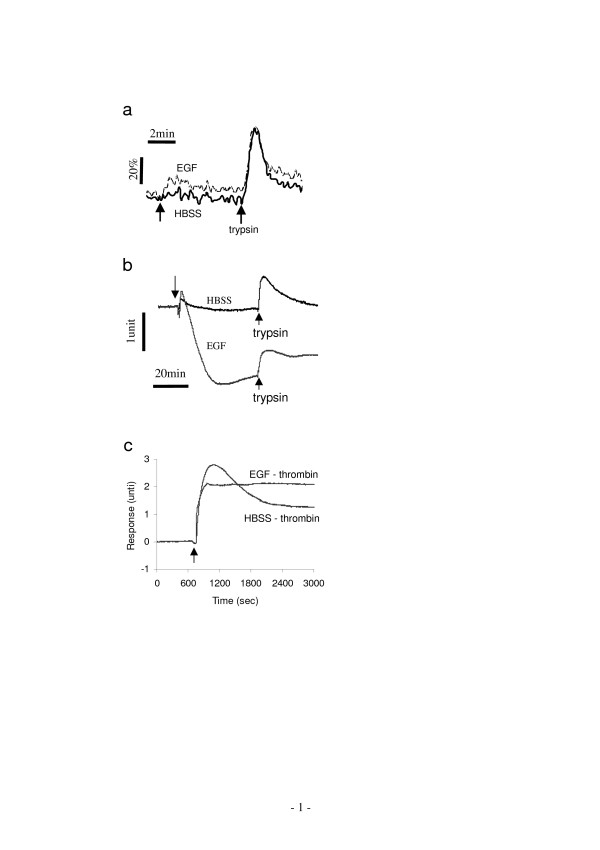
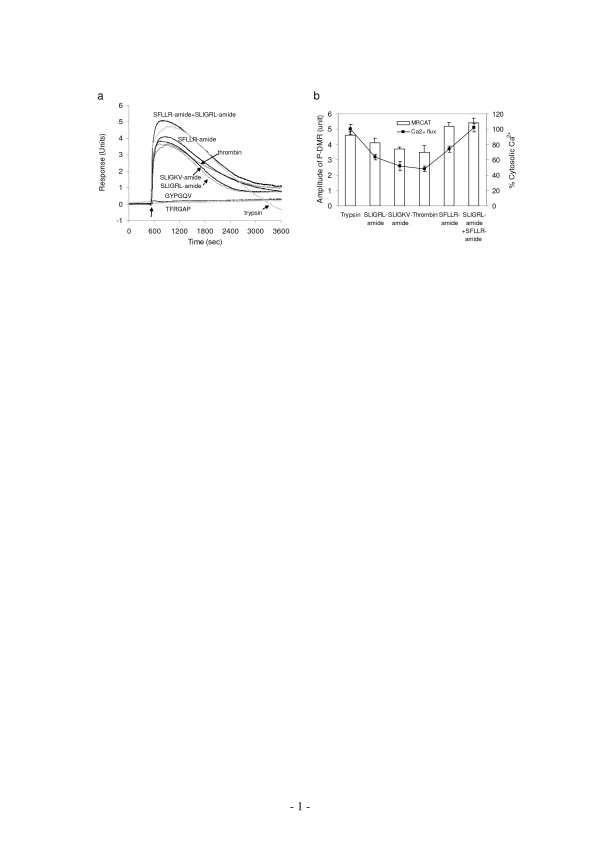
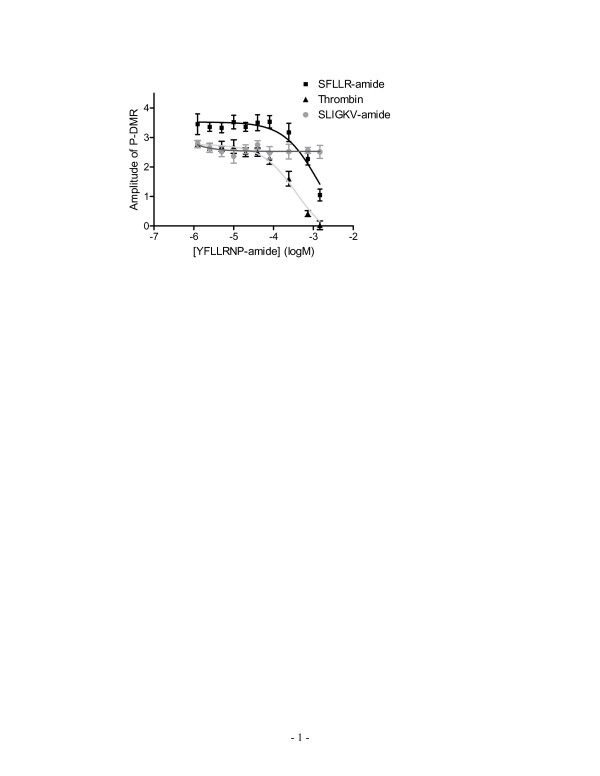
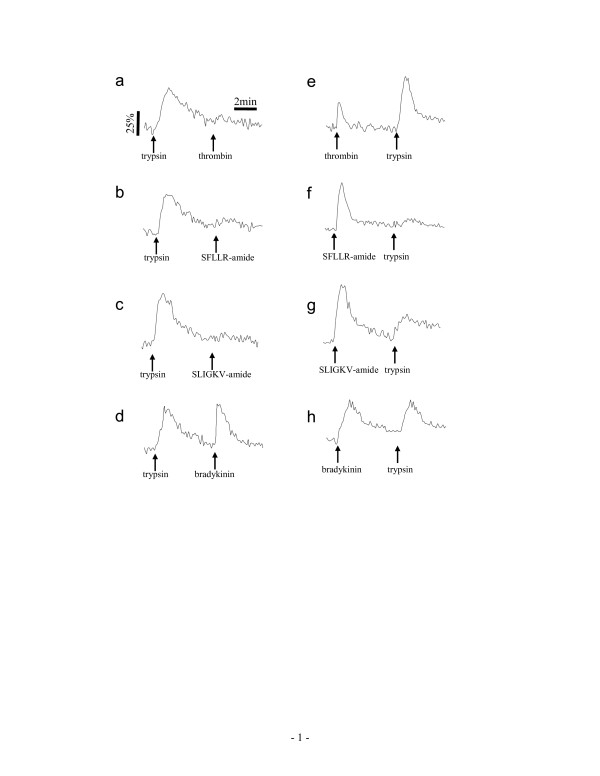
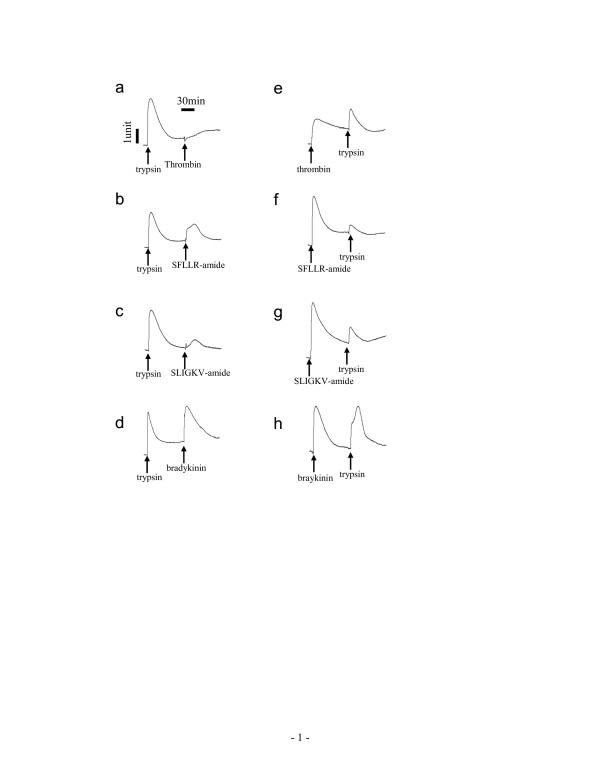
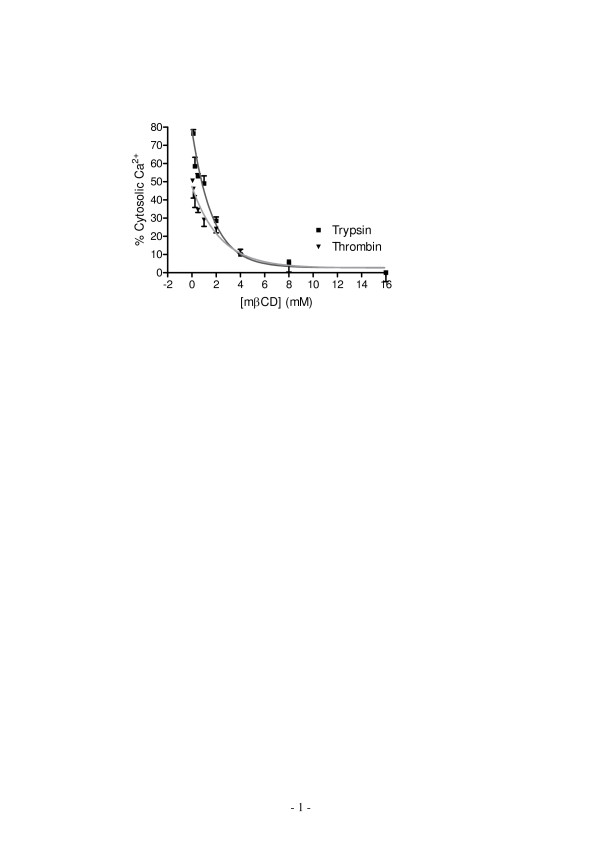
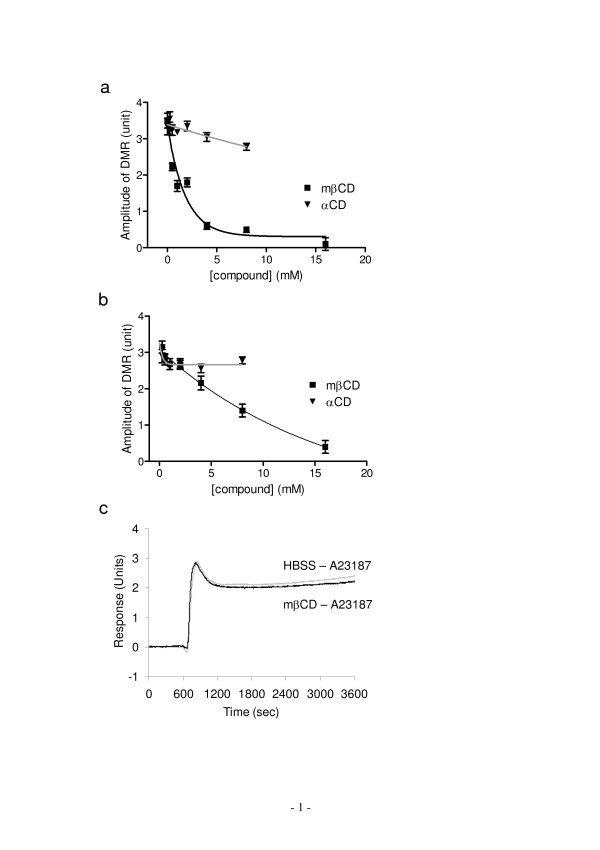
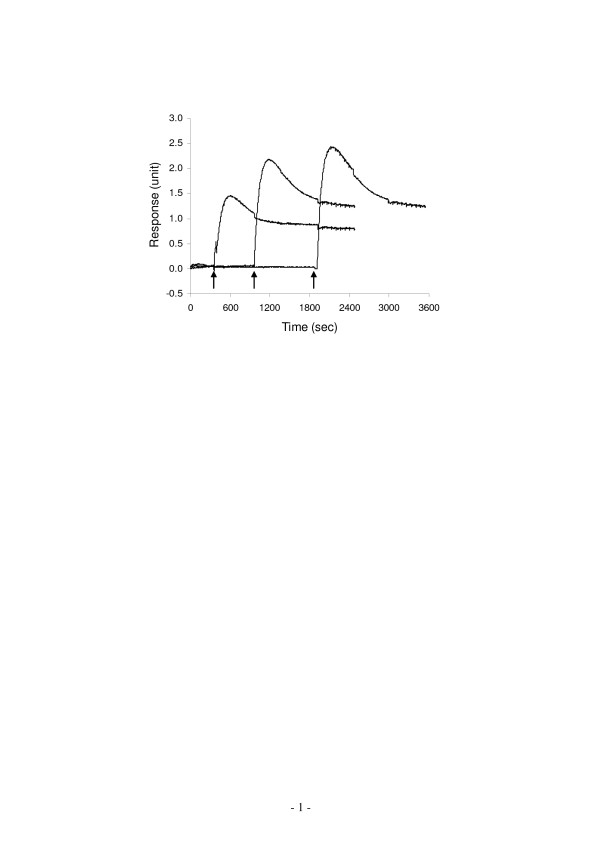
Here, we show that non-invasive resonant waveguide grating (RWG) biosensor differentiates signaling of endogenous protease activated receptor subtype 1 (PAR1) and 2 (PAR2) in human epidermoid carcinoma A431 cells. The biosensor directly measures dynamic mass redistribution (DMR) resulted from ligand-induced receptor activation in adherent cells. In A431, both PAR1 and PAR2 agonists, but neither PAR3 nor PAR4 agonists, trigger dose-dependent Ca2+ mobilization as well as Gq-type DMR signals. Both Ca2+ flux and DMR signals display comparable desensitization patterns upon repeated stimulation with different combinations of agonists. However, PAR1 and PAR2 exhibit distinct kinetics of receptor re-sensitization. Furthermore, both trypsin- and thrombin-induced Ca2+ flux signals show almost identical dependence on cell surface cholesterol level, but their corresponding DMR signals present different sensitivities.
Optical biosensor provides an alternative readout for examining receptor activation under physiologically relevant conditions, and differentiates the signaling of endogenous PAR1 and PAR2 in A431.
蛋白酶激活受体(PARs)由四种G蛋白偶联受体组成的家族。许多类型的细胞表达几种PARs,其生理意义大多未知。
在此,我们表明非侵入性共振波导光栅(RWG)生物传感器可区分人表皮样癌A431细胞中内源性蛋白酶激活受体亚型1(PAR1)和2(PAR2)的信号传导。该生物传感器直接测量贴壁细胞中配体诱导的受体激活所导致的动态质量再分布(DMR)。在A431细胞中,PAR1和PAR2激动剂均可触发剂量依赖性的Ca2+动员以及Gq型DMR信号,而PAR3和PAR4激动剂则不能。在用不同组合的激动剂重复刺激后,Ca2+通量和DMR信号均显示出可比的脱敏模式。然而,PAR1和PAR2表现出不同的受体再敏化动力学。此外,胰蛋白酶和凝血酶诱导的Ca2+通量信号对细胞表面胆固醇水平的依赖性几乎相同,但其相应的DMR信号表现出不同的敏感性。
光学生物传感器为在生理相关条件下检测受体激活提供了一种替代读数,并区分了A431细胞中内源性PAR1和PAR2的信号传导。