Grippo Angela J, Lamb Damon G, Carter C Sue, Porges Stephen W
Department of Psychiatry, University of Illinois at Chicago, Chicago, Illinois 60612, USA.
Biol Psychiatry. 2007 Nov 15;62(10):1162-70. doi: 10.1016/j.biopsych.2007.04.011. Epub 2007 Jul 20.
There is a documented association between affective disorders (e.g., depression and anxiety) and cardiovascular disease in humans. Chronic social stressors may play a mechanistic role in the development of behavioral and cardiac dysregulation. The current study investigated behavioral, cardiac, and autonomic responses to a chronic social stressor in prairie voles, a rodent species that displays social behaviors similar to humans.
Female prairie voles were exposed to 4 weeks of social isolation (n = 8) or pairing (control conditions; n = 7). Electrocardiographic parameters were recorded continuously during isolation, and behavioral tests were conducted during and following this period.
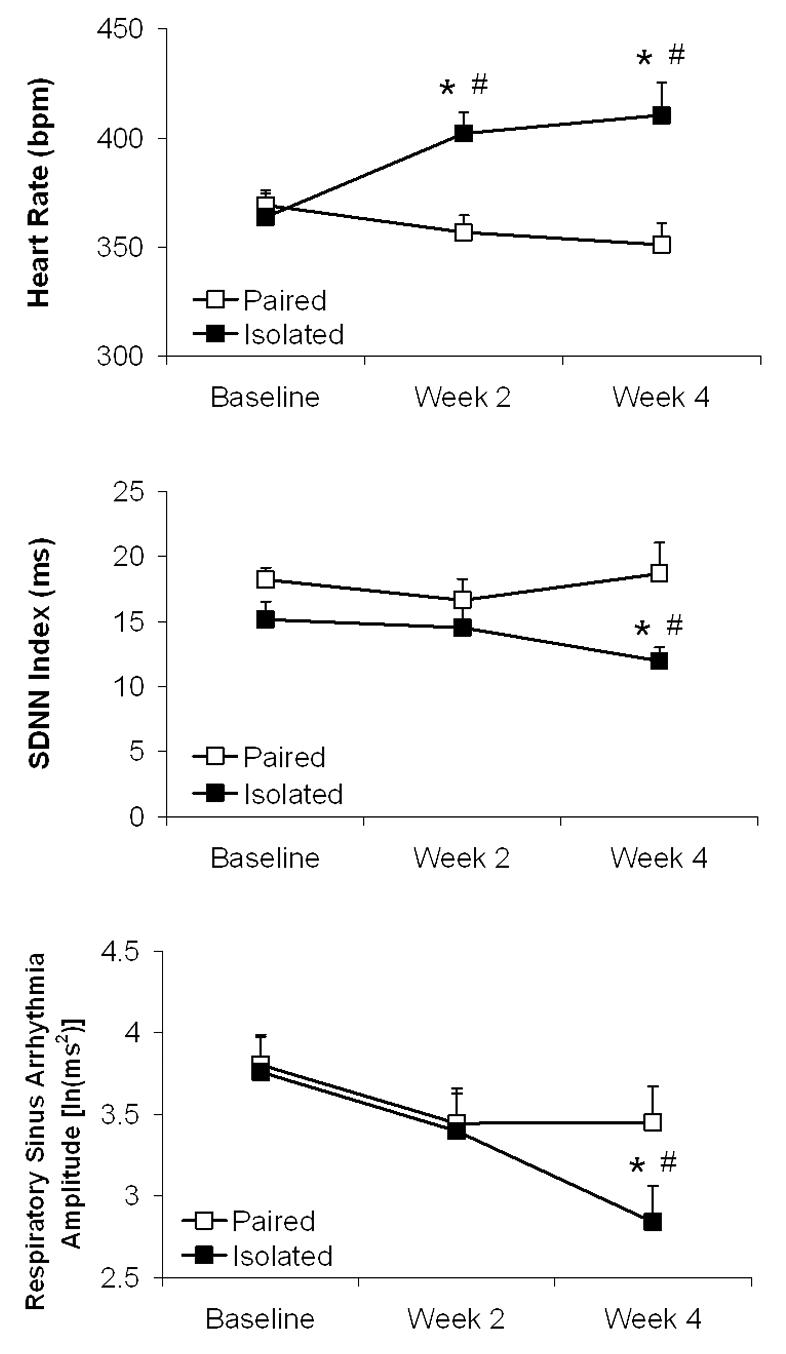
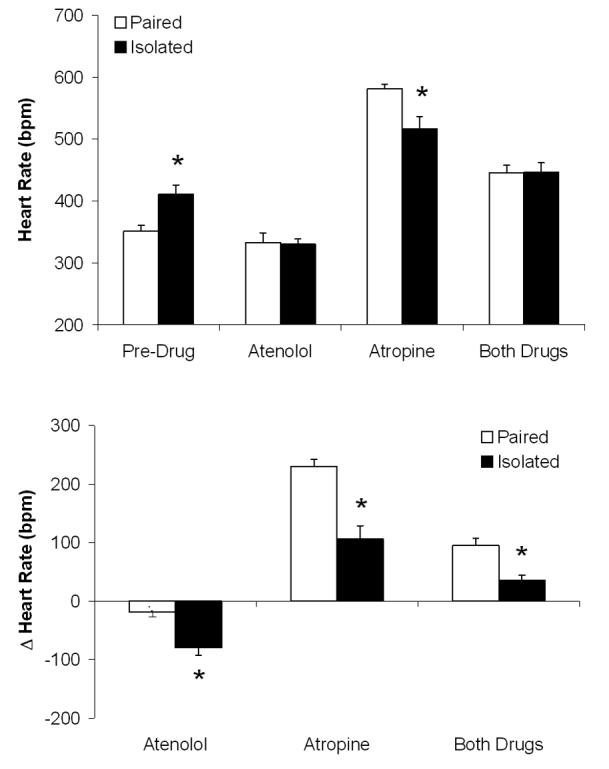
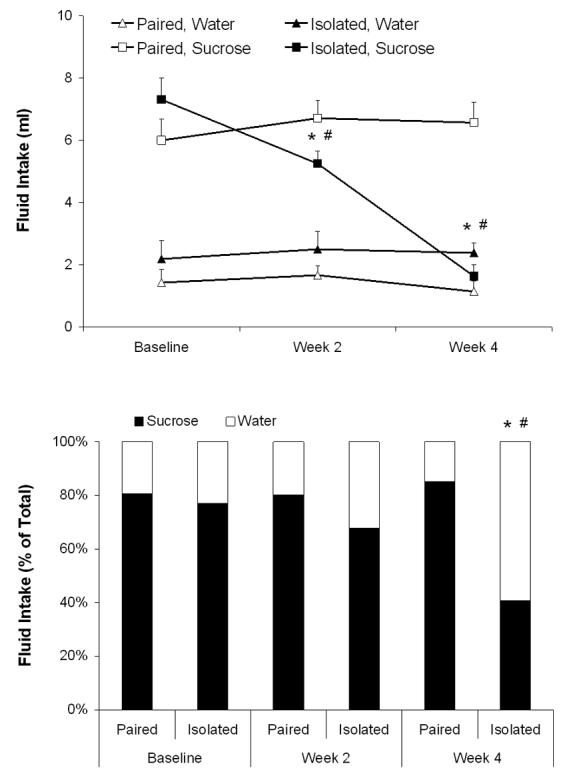
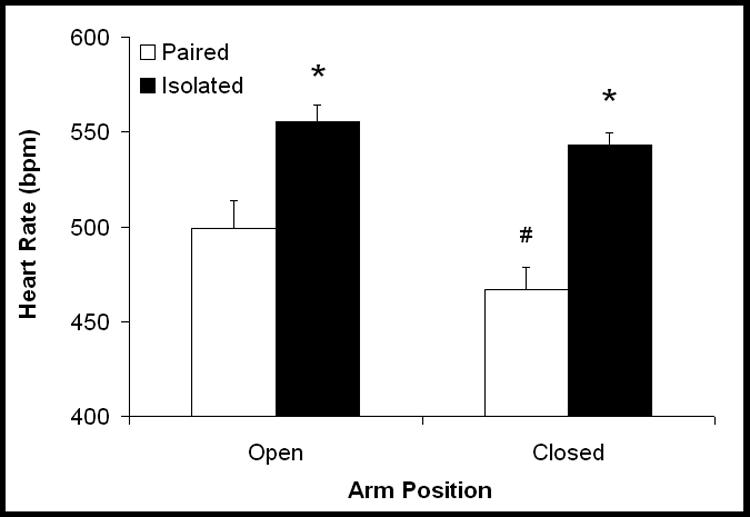
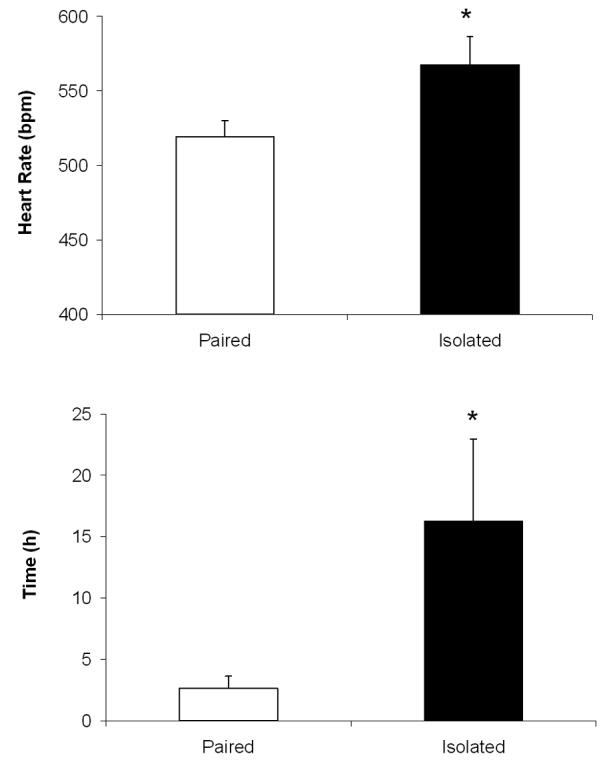
Isolation induced a significant increase in resting heart rate, reduction in heart rate variability (standard deviation of normal-to-normal intervals and amplitude of respiratory sinus arrhythmia), and exaggerated cardiac responses during an acute resident-intruder paradigm. Isolation led also to both depression-like and anxiety-like behaviors in validated operational tests. These changes in response to social isolation showed predictable interrelations and were mediated by a disruption of autonomic balance including both sympathetic and parasympathetic (vagal) mechanisms.
These findings indicate that social isolation induces behavioral, cardiac, and autonomic alterations related to those seen after other stressors and which are relevant to cardiovascular disease and affective disorders. This model may provide insight into the mechanisms that underlie these co-occurring conditions.
在人类中,情感障碍(如抑郁症和焦虑症)与心血管疾病之间存在已被证实的关联。慢性社会应激源可能在行为和心脏调节异常的发展中起作用。本研究调查了草原田鼠(一种表现出与人类相似社会行为的啮齿动物)对慢性社会应激源的行为、心脏和自主神经反应。
将雌性草原田鼠暴露于4周的社会隔离(n = 8)或配对(对照条件;n = 7)。在隔离期间连续记录心电图参数,并在此期间及之后进行行为测试。
隔离导致静息心率显著增加、心率变异性降低(正常到正常间隔的标准差和呼吸性窦性心律失常的幅度),以及在急性居住者 - 入侵者范式中出现过度的心脏反应。在经过验证的操作性测试中,隔离还导致了类似抑郁和类似焦虑的行为。这些对社会隔离的反应变化显示出可预测的相互关系,并由包括交感神经和副交感神经(迷走神经)机制在内的自主神经平衡破坏所介导。
这些发现表明,社会隔离会诱发与其他应激源后出现的行为、心脏和自主神经改变相关的变化,这些变化与心血管疾病和情感障碍有关。该模型可能为这些并发疾病的潜在机制提供见解。