Nakamura Rei E I, Hunter Dale D, Yi Hyun, Brunken William J, Hackam Abigail S
Bascom Palmer Eye Institute, University of Miami Miller School of Medicine, Miami, FL, USA.
BMC Cell Biol. 2007 Dec 19;8:52. doi: 10.1186/1471-2121-8-52.
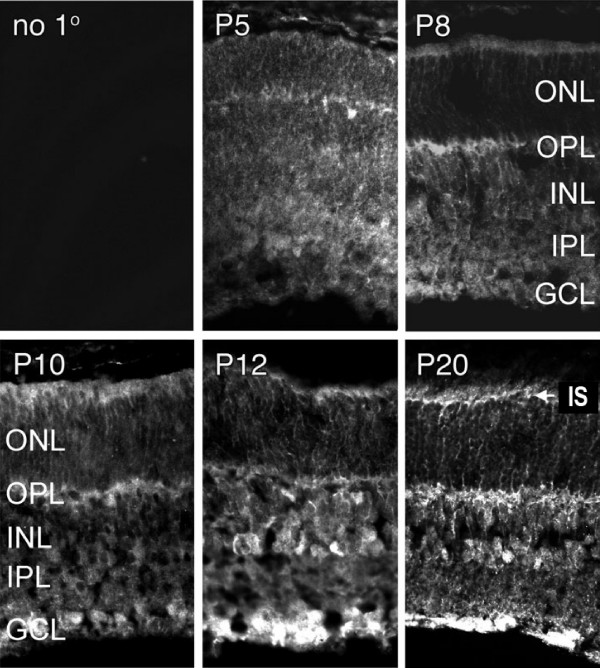
The Wnt signaling pathway is a cellular communication pathway that plays critical roles in development and disease. A major class of Wnt signaling regulators is the Dickkopf (Dkk) family of secreted glycoproteins. Although the biological properties of Dickkopf 1 (Dkk1) and Dickkopf 2 (Dkk2) are well characterized, little is known about the function of the related Dickkopf 3 (Dkk3) protein in vivo or in cell lines. We recently demonstrated that Dkk3 transcripts are upregulated during photoreceptor death in a mouse model of retinal degeneration. In this study, we characterized the activity of Dkk3 in Wnt signaling and cell death.
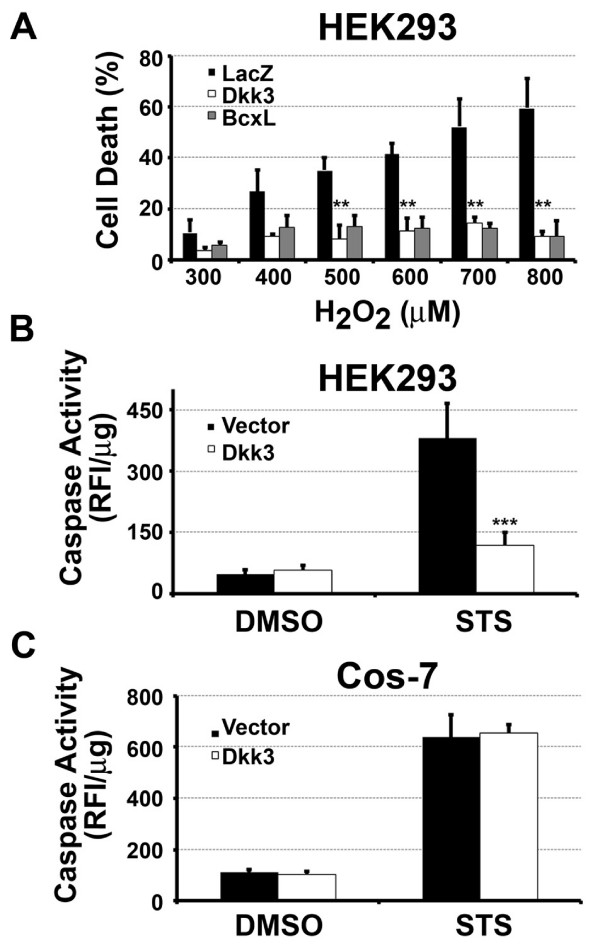
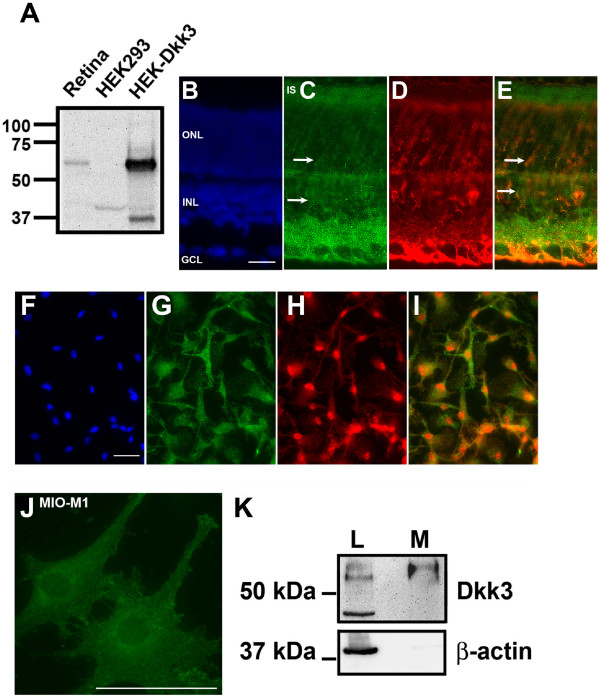
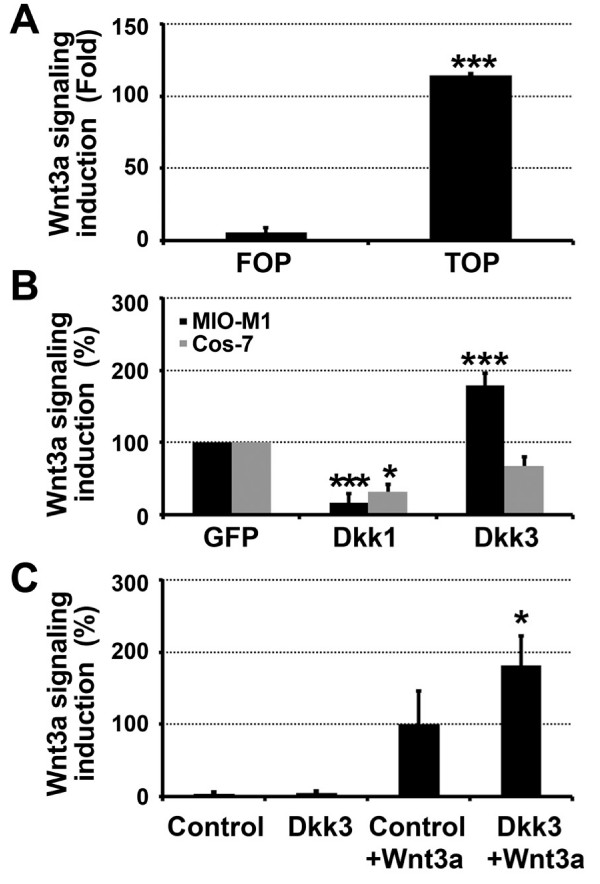
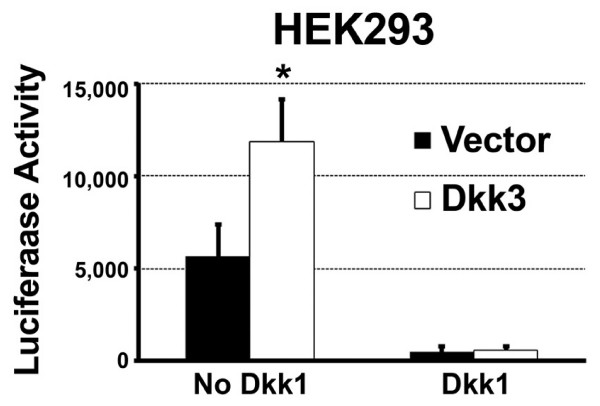
Dkk3 was localized to Müller glia and retinal ganglion cells in developing and adult mouse retina. Western blotting confirmed that Dkk3 is secreted from Müller glia cells in culture. We demonstrated that Dkk3 potentiated Wnt signaling in Müller glia and HEK293 cells but not in COS7 cells, indicating that it is a cell-type specific regulator of Wnt signaling. This unique Dkk3 activity was blocked by co-expression of Dkk1. Additionally, Dkk3 displayed pro-survival properties by decreasing caspase activation and increasing viability in HEK293 cells exposed to staurosporine and H2O2. In contrast, Dkk3 did not protect COS7 cells from apoptosis.
These data demonstrate that Dkk3 is a positive regulator of Wnt signaling, in contrast to its family member Dkk1. Furthermore, Dkk3 protects against apoptosis by reducing caspase activity, suggesting that Dkk3 may play a cytoprotective role in the retina.
Wnt信号通路是一种细胞通讯通路,在发育和疾病中发挥关键作用。Wnt信号调节因子的一个主要类别是分泌型糖蛋白Dickkopf(Dkk)家族。尽管Dickkopf 1(Dkk1)和Dickkopf 2(Dkk2)的生物学特性已得到充分表征,但关于相关蛋白Dickkopf 3(Dkk3)在体内或细胞系中的功能却知之甚少。我们最近证明,在视网膜变性小鼠模型中,感光细胞死亡期间Dkk3转录本上调。在本研究中,我们对Dkk3在Wnt信号传导和细胞死亡中的活性进行了表征。
在发育中和成年小鼠视网膜中,Dkk3定位于穆勒胶质细胞和视网膜神经节细胞。蛋白质印迹法证实,Dkk3是从培养的穆勒胶质细胞中分泌的。我们证明,Dkk3增强了穆勒胶质细胞和HEK293细胞中的Wnt信号,但在COS7细胞中没有,这表明它是Wnt信号的细胞类型特异性调节因子。这种独特的Dkk3活性被Dkk1的共表达所阻断。此外,Dkk3通过降低暴露于星形孢菌素和H2O2的HEK293细胞中的半胱天冬酶激活并提高其活力,显示出促生存特性。相比之下,Dkk3不能保护COS7细胞免于凋亡。
这些数据表明,与它的家族成员Dkk1相反,Dkk3是Wnt信号的正向调节因子。此外,Dkk3通过降低半胱天冬酶活性来保护细胞免于凋亡,这表明Dkk3可能在视网膜中发挥细胞保护作用。