Rocha Angelica, Valles Rodrigo, Hart Nigel, Bratton Gerald R, Nation Jack R
Department of Psychology, Texas A&M University, College Station, TX 77843, United States.
Pharmacol Biochem Behav. 2008 Jun;89(4):508-14. doi: 10.1016/j.pbb.2008.02.004. Epub 2008 Feb 8.
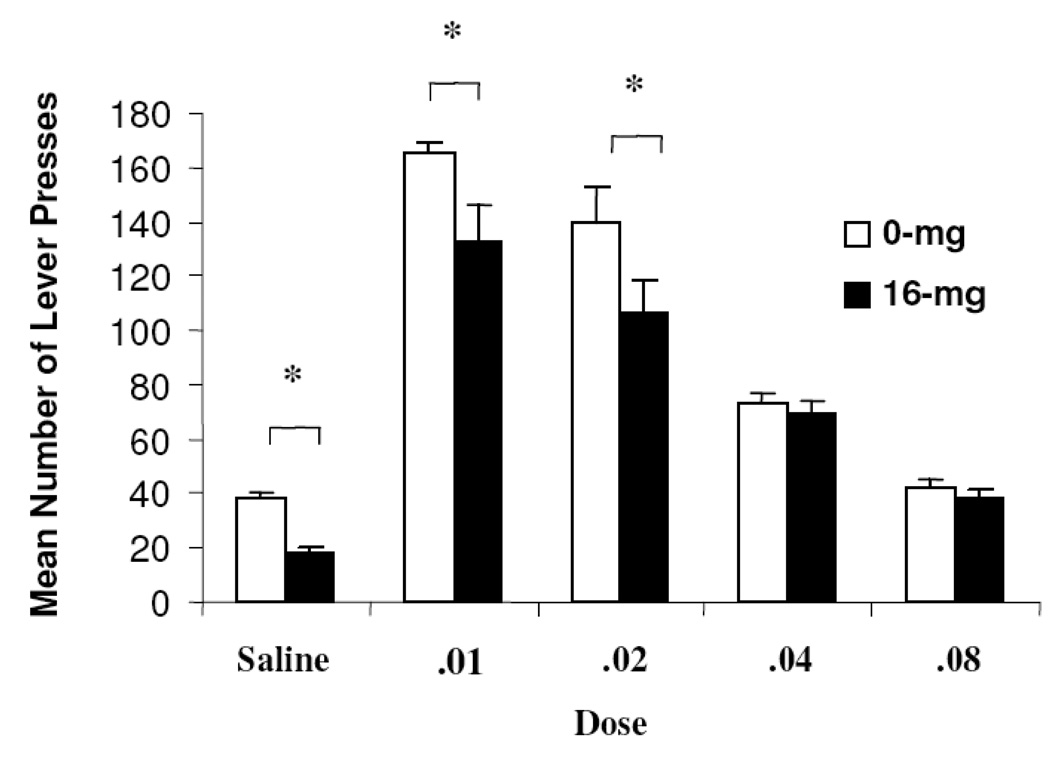
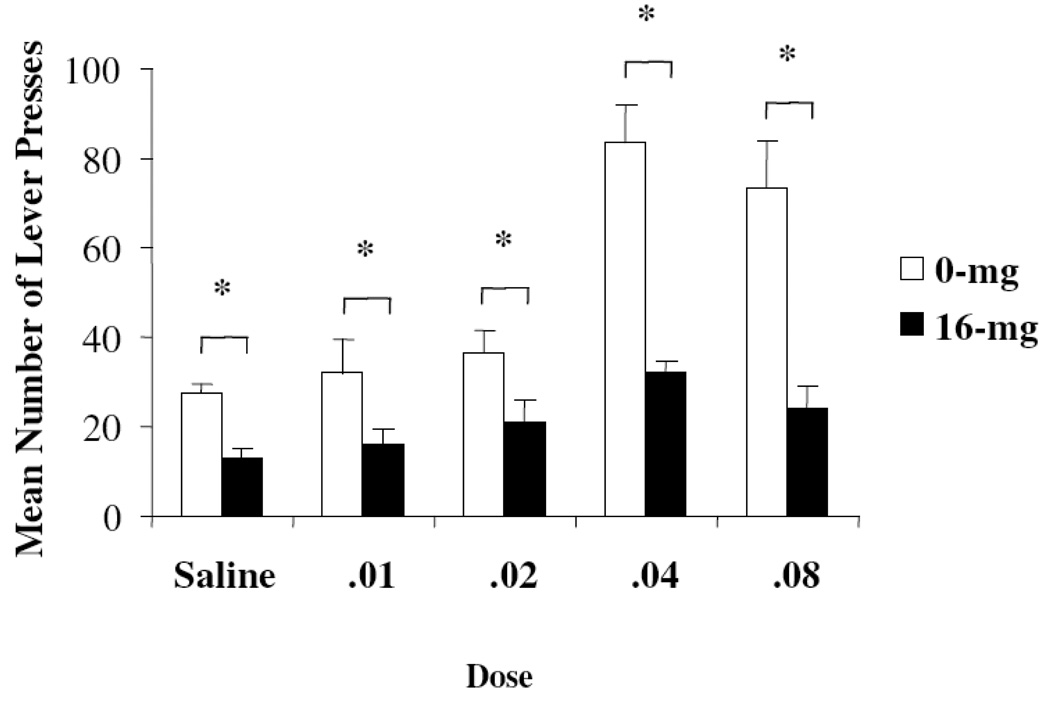
Perinatal (gestation/lactation) lead exposure modifies the reinforcement efficacy of various psychoactive drugs (e.g., cocaine, opiates) across the phases of initial selection, use, and abuse [Nation J.R., Cardon A.L., Heard H.M., Valles R., Bratton G.R. Perinatal lead exposure and relapse to drug-seeking behavior in the rat: a cocaine reinstatement study. Psychopharmacol 2003;168: 236-243.; Nation J.R., Smith K.R., Bratton G.R. Early developmental lead exposure increases sensitivity to cocaine in a self-administration paradigm. Pharmacol Biochem Behave 2004; 77: 127-13; Rocha A., Valles R., Cardon A.L., Bratton G.R., Nation J.R. Enhanced acquisition of cocaine self-administration in rats developmentally exposed to lead. Neuropsychopharmacol 2005; 30: 2058-2064.]. However, changes in sensitivity to methamphetamine across the phases of drug abuse have not been examined in animals perinatally exposed to lead. Because the mainstream popularity of methamphetamine in the United States is increasing and lead exposure continues to be widespread, an examination of this drug and how it may be modified by perinatal exposure to lead is warranted. The studies reported here examined the effects of perinatal lead exposure on adult self-administration of intravenous (i.v.) methamphetamine across the maintenance phase of drug addiction. Experiment 1 examined dose-effect patterns in control and lead-exposed animals. Experiment 2 evaluated control and lead-exposed animals in a progressive ratio task. Female rats were administered a 16-mg lead or a control solution for 30 days prior to breeding with non-exposed males. Exposure continued through pregnancy and lactation and was discontinued at weaning (postnatal day [PND] 21). Animals born to control or lead-exposed dams received indwelling jugular catheters as adults (PND 70) and subsequently were randomly assigned to one of the two studies, using only one male rat per litter for each study. The data showed a general attenuation of the reinforcement efficacy of methamphetamine in animals perinatally exposed to lead, as compared to control animals.
围产期(妊娠/哺乳期)铅暴露会改变各种精神活性药物(如可卡因、阿片类药物)在初始选择、使用和滥用阶段的强化效力[Nation J.R., Cardon A.L., Heard H.M., Valles R., Bratton G.R. 围产期铅暴露与大鼠复吸觅药行为:一项可卡因复吸研究。《精神药理学》2003年;168:236 - 243;Nation J.R., Smith K.R., Bratton G.R. 早期发育性铅暴露增加自我给药模式下对可卡因的敏感性。《药理学与生物化学行为》2004年;77:127 - 13;Rocha A., Valles R., Cardon A.L., Bratton G.R., Nation J.R. 发育过程中暴露于铅的大鼠对可卡因自我给药的习得增强。《神经精神药理学》2005年;30:2058 - 2064。]。然而,围产期暴露于铅的动物在药物滥用各阶段对甲基苯丙胺敏感性的变化尚未得到研究。由于甲基苯丙胺在美国的主流受欢迎程度不断上升,且铅暴露仍然广泛存在,因此有必要研究这种药物以及围产期铅暴露可能如何对其产生影响。此处报道的研究考察了围产期铅暴露对成年大鼠静脉注射甲基苯丙胺成瘾维持阶段自我给药的影响。实验1研究了对照动物和铅暴露动物的剂量 - 效应模式。实验2在渐进比率任务中评估了对照动物和铅暴露动物。雌性大鼠在与未暴露的雄性大鼠交配前30天给予16毫克铅或对照溶液。暴露持续至怀孕和哺乳期,并在断奶时(出生后第21天)停止。对照或铅暴露母鼠所生的动物在成年时(出生后第70天)植入颈静脉导管,随后随机分配到两项研究中的一项,每项研究每窝仅使用一只雄性大鼠。数据显示,与对照动物相比,围产期暴露于铅的动物中甲基苯丙胺的强化效力普遍减弱。