Cheetham S, Tang M J, Mesak F, Kennecke H, Owen D, Tai I T
Division of Gastroenterology, University of British Columbia and Genome Sciences Centre, British Columbia Cancer Agency, Vancouver, British Columbia, Canada.
Br J Cancer. 2008 Jun 3;98(11):1810-9. doi: 10.1038/sj.bjc.6604377. Epub 2008 May 6.
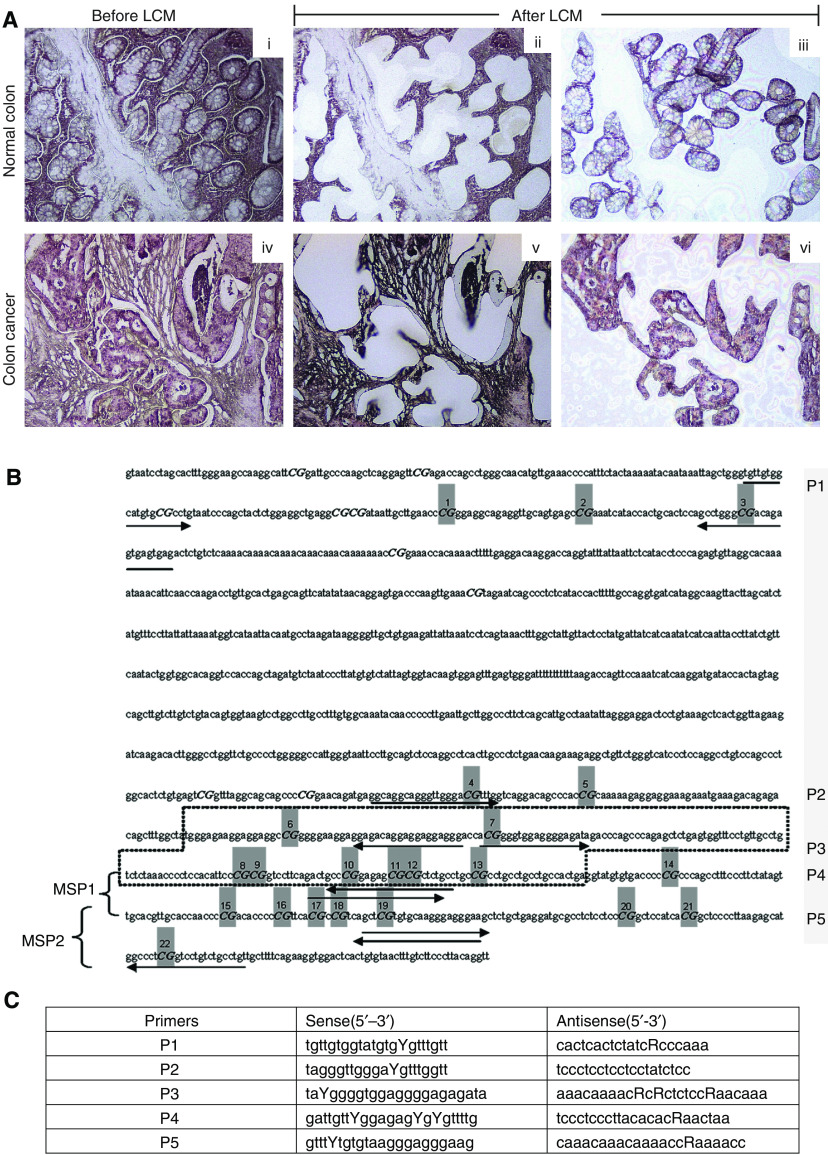
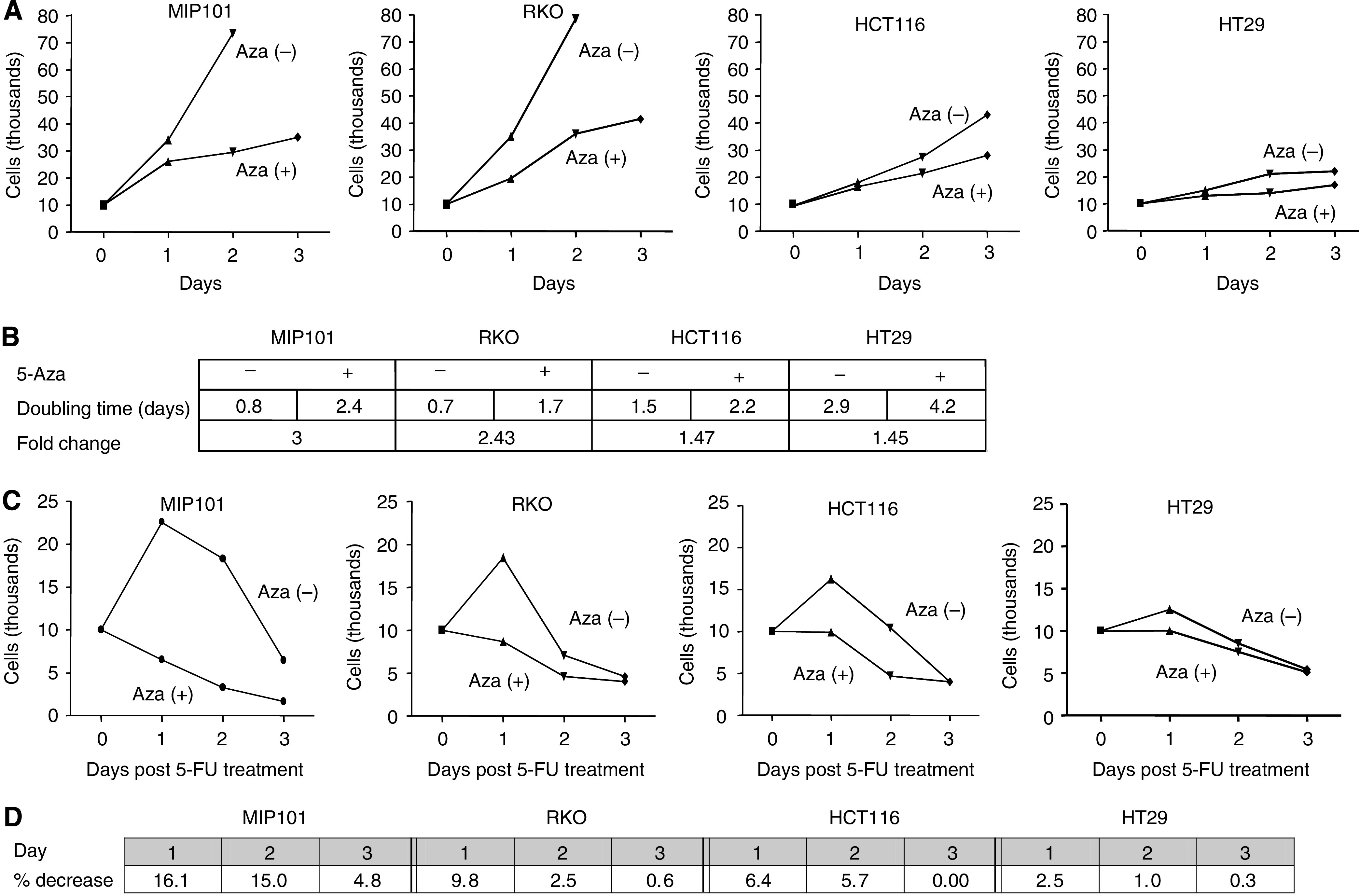
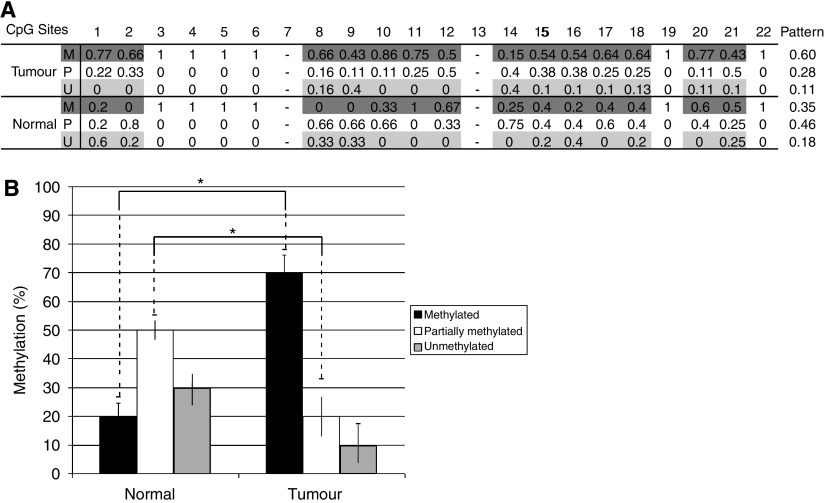
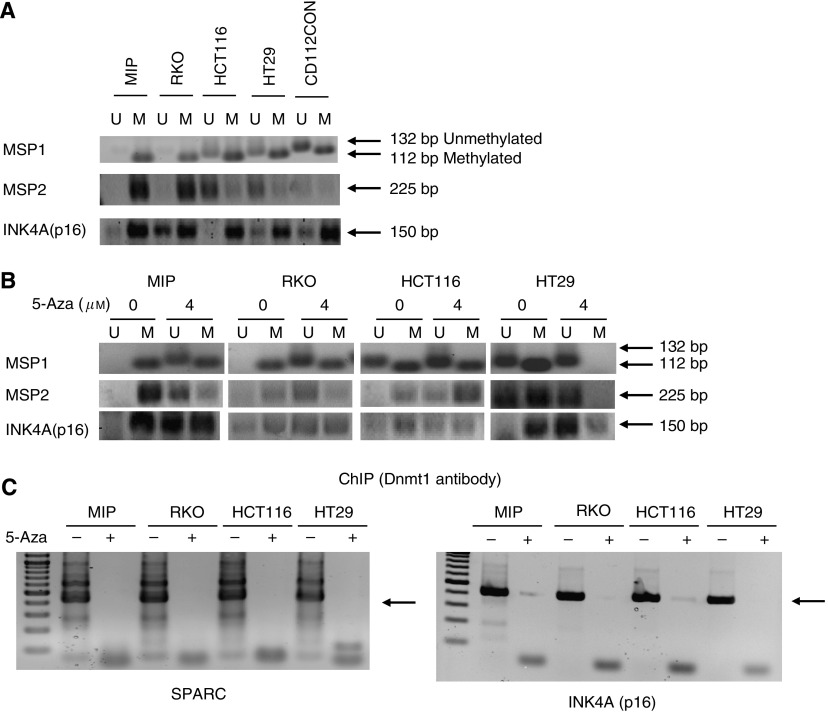
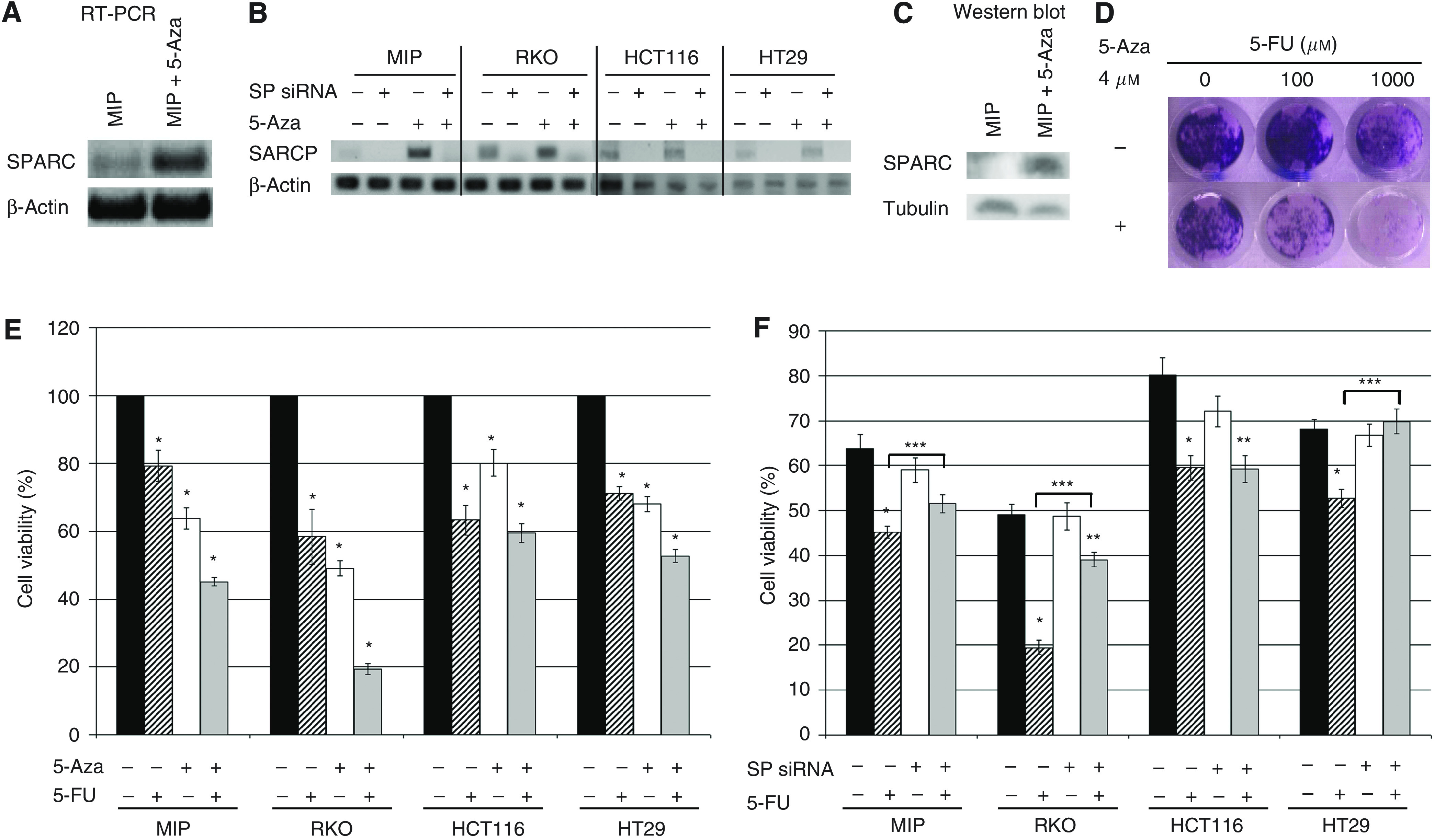
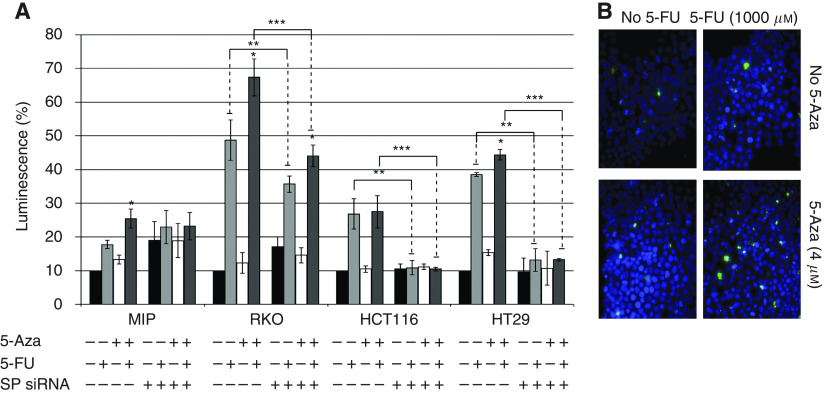
Poor clinical outcomes in cancer can often be attributed to inadequate response to chemotherapy. Strategies to overcome either primary or acquired chemoresistance may ultimately impact on patients' survival favourably. We previously showed that lower levels of SPARC were associated with therapy-refractory colorectal cancers (CRC), and that upregulating its expression enhances chemo-sensitivity resulting in greater tumour regression in vivo. Here, we examined aberrant hypermethylation of the SPARC promoter as a potential mechanism for repressing SPARC in CRCs and whether restoration of its expression with a demethylating agent 5-Aza-2'deoxycytidine (5-Aza) could enhance chemosensitivity. Initially, the methylation status of the SPARC promoter from primary human CRCs were assessed following isolation of genomic DNA from laser capture microdissected specimens by direct DNA sequencing. MIP101, RKO, HCT 116, and HT-29 CRC cell lines were also used to evaluate the effect of 5-Aza on: SPARC promoter methylation, SPARC expression, the interaction between DNMT1 and the SPARC promoter (ChIP assay), cell viability, apoptosis, and cell proliferation. Our results revealed global hypermethylation of the SPARC promoter in CRCs, and identified specific CpG sites that were consistently methylated in CRCs but not in normal colon. We also demonstrate that SPARC repression in CRC cell lines could be reversed following exposure to 5-Aza, which resulted in increased SPARC expression, leading to a significant reduction in cell viability (by an additional 39% in RKO cells) and greater apoptosis (an additional 18% in RKO cells), when combined with 5-FU in vitro (in comparison to 5-FU alone). Our exciting findings suggest potential diagnostic markers of CRCs based on specific methylated CpG sites. Moreover, the results reveal the therapeutic utility of employing demethylating agents to improve response through augmentation of SPARC expression.
癌症患者不佳的临床结局往往可归因于对化疗反应不足。克服原发性或获得性化疗耐药的策略最终可能对患者的生存产生有利影响。我们之前表明,较低水平的富含半胱氨酸的酸性分泌蛋白(SPARC)与难治性结直肠癌(CRC)相关,并且上调其表达可增强化疗敏感性,从而在体内导致更大程度的肿瘤消退。在此,我们研究了SPARC启动子异常高甲基化作为CRC中抑制SPARC的潜在机制,以及用去甲基化剂5-氮杂-2'-脱氧胞苷(5-Aza)恢复其表达是否可增强化疗敏感性。最初,通过直接DNA测序从激光捕获显微切割标本中分离基因组DNA后,评估原发性人类CRC中SPARC启动子的甲基化状态。还使用MIP101、RKO、HCT 116和HT-29 CRC细胞系来评估5-Aza对以下方面的影响:SPARC启动子甲基化、SPARC表达、DNA甲基转移酶1(DNMT1)与SPARC启动子之间的相互作用(染色质免疫沉淀测定)、细胞活力、细胞凋亡和细胞增殖。我们的结果揭示了CRC中SPARC启动子的整体高甲基化,并确定了在CRC中始终甲基化但在正常结肠中未甲基化的特定CpG位点。我们还证明,CRC细胞系中SPARC的抑制在暴露于5-Aza后可被逆转,这导致SPARC表达增加,与5-氟尿嘧啶(5-FU)联合体外使用时(与单独使用5-FU相比),导致细胞活力显著降低(RKO细胞中额外降低39%)和更大程度的细胞凋亡(RKO细胞中额外增加18%)。我们令人兴奋的发现表明基于特定甲基化CpG位点的CRC潜在诊断标志物。此外,结果揭示了使用去甲基化剂通过增强SPARC表达来改善反应的治疗效用。