Yang Yanan, Iwanaga Kentaro, Raso Maria Gabriela, Wislez Marie, Hanna Amy E, Wieder Eric D, Molldrem Jeffrey J, Wistuba Ignacio I, Powis Garth, Demayo Francesco J, Kim Carla F, Kurie Jonathan M
Department of Thoracic/Head and Neck Medical Oncology, University of Texas M. D. Anderson Cancer Center, Houston, Texas, United States of America.
PLoS One. 2008 May 21;3(5):e2220. doi: 10.1371/journal.pone.0002220.
Non-small cell lung cancer (NSCLC) is the most common cause of cancer-related death in Western countries. Developing more effective NSCLC therapeutics will require the elucidation of the genetic and biochemical bases for this disease. Bronchioalveolar stem cells (BASCs) are a putative cancer stem cell population in mouse models of oncogenic K-ras-induced lung adenocarcinoma, an histologic subtype of NSCLC. The signals activated by oncogenic K-ras that mediate BASC expansion have not been fully defined.
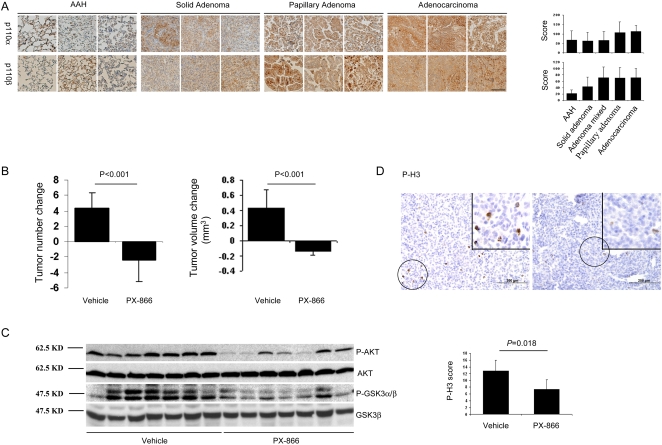
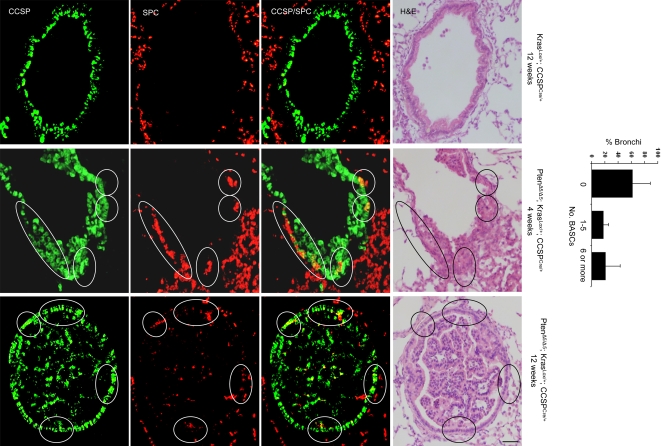
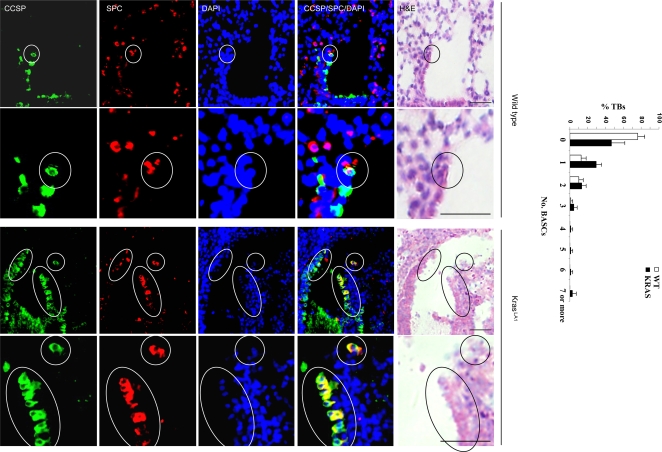
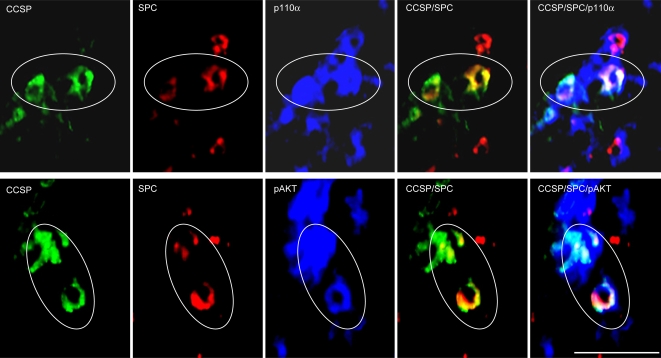
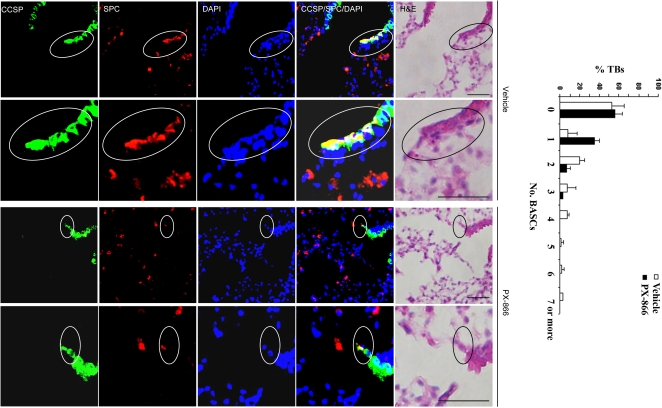
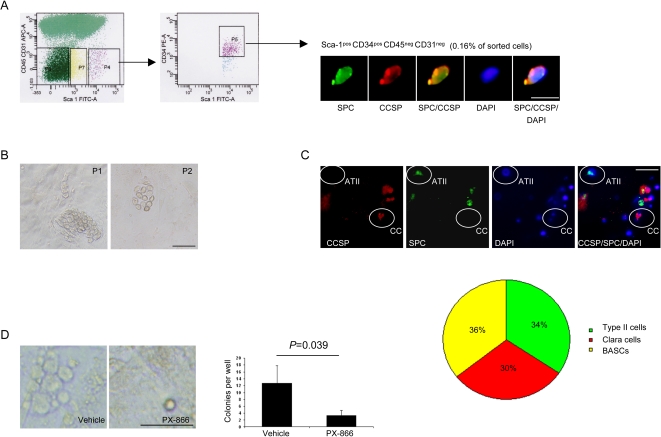
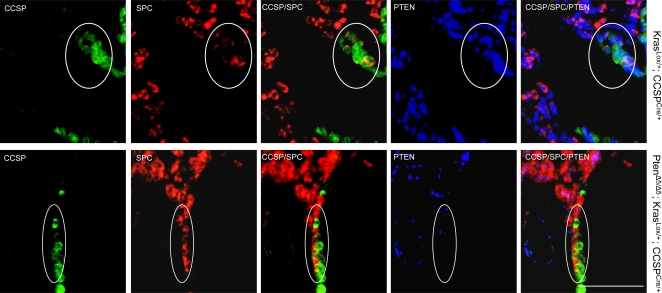
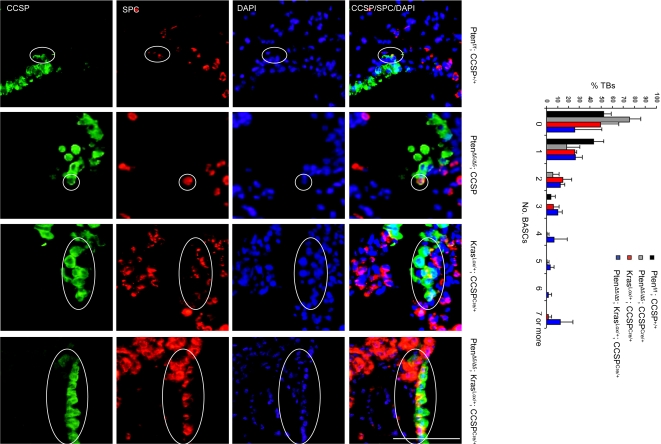
METHODOLOGY/PRINCIPAL FINDINGS: We used genetic and pharmacologic approaches to modulate the activity of phosphatidylinositol 3-kinase (PI3K), a key mediator of oncogenic K-ras, in two genetic mouse models of lung adenocarcinoma. Oncogenic K-ras-induced BASC accumulation and tumor growth were blocked by treatment with a small molecule PI3K inhibitor and enhanced by inactivation of phosphatase and tensin homologue deleted from chromosome 10, a negative regulator of PI3K.
CONCLUSIONS/SIGNIFICANCE: We conclude that PI3K is a critical regulator of BASC expansion, supporting treatment strategies to target PI3K in NSCLC patients.
在西方国家,非小细胞肺癌(NSCLC)是癌症相关死亡的最常见原因。开发更有效的NSCLC治疗方法需要阐明该疾病的遗传和生化基础。支气管肺泡干细胞(BASC)是致癌K-ras诱导的肺腺癌(NSCLC的一种组织学亚型)小鼠模型中的一种假定癌症干细胞群体。介导BASC扩增的致癌K-ras激活的信号尚未完全明确。
方法/主要发现:我们使用遗传和药理学方法来调节磷脂酰肌醇3激酶(PI3K)的活性,PI3K是致癌K-ras的关键介质,在两种肺腺癌遗传小鼠模型中进行研究。用小分子PI3K抑制剂治疗可阻断致癌K-ras诱导的BASC积累和肿瘤生长,而通过使10号染色体缺失的磷酸酶和张力蛋白同源物(PI3K的负调节因子)失活可增强这种积累和生长。
结论/意义:我们得出结论,PI3K是BASC扩增的关键调节因子,支持针对NSCLC患者靶向PI3K的治疗策略。