Johnson L'Aurelle, Orchard Paul J, Baker K Scott, Brundage Richard, Cao Qing, Wang Xinjing, Langer Erica, Farag-El Maasah Sharein, Ross Julie A, Remmel Rory, Jacobson Pamala A
Department of Experimental and Clinical Pharmacology, College of Pharmacy, University of Minnesota, Minneapolis, MN 55455, USA.
J Clin Pharmacol. 2008 Sep;48(9):1052-62. doi: 10.1177/0091270008321940. Epub 2008 Jul 17.
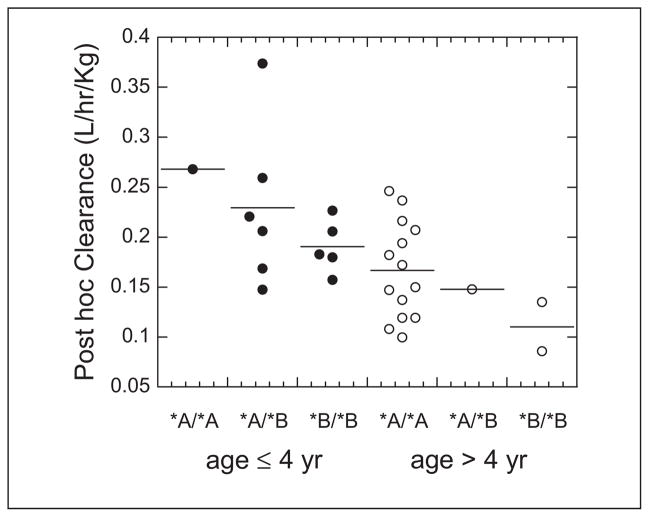
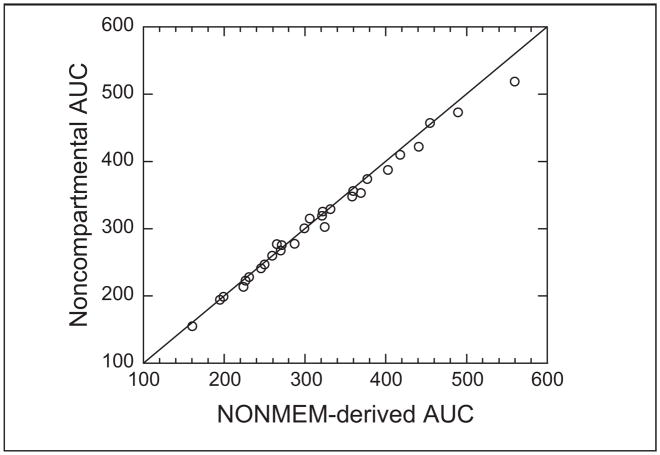
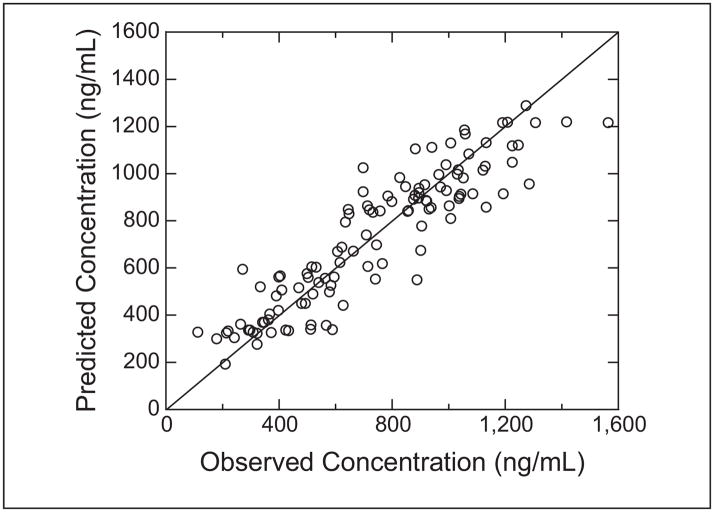
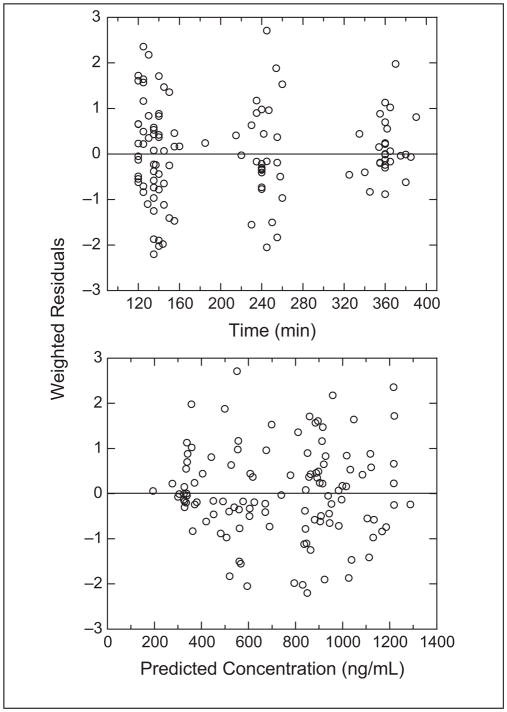
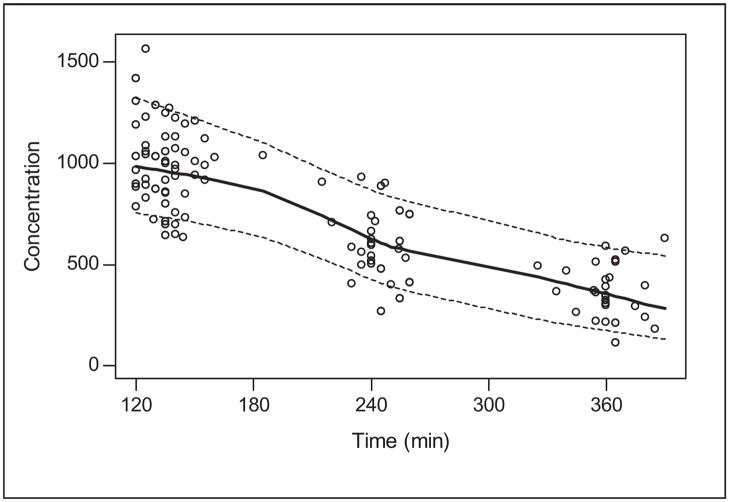
The effect of glutathione S-transferase variants on pediatric busulfan metabolism was investigated by noncompartmental and population pharmacokinetic modeling. Twenty-nine children who underwent related or unrelated bone marrow or umbilical cord blood hematopoietic cell transplant were retrospectively studied. GSTA1, GSTP1, and GSTM1 variants were explored for their effects on busulfan exposures. Noncompartmental pharmacokinetic analyses showed that carriers of GSTA1B had a 2.6-fold higher busulfan area under the curve and concentration at steady state compared with noncarriers (P <or= .01). Population pharmacokinetic modeling demonstrated that carriers of GSTA1B reduced busulfan clearance by 30%. Monte Carlo simulations were then performed to assess busulfan dosing regimens based on GSTA1 genotypes. Simulations determined that dosing based on GSTA1 genotype, weight, and age resulted in fewer children exceeding the upper therapeutic limit compared with dosing using age and weight only. Larger, prospective studies are needed to confirm these findings.
通过非房室和群体药代动力学建模研究了谷胱甘肽S-转移酶变体对儿童白消安代谢的影响。对29例接受相关或无关骨髓或脐带血造血细胞移植的儿童进行了回顾性研究。探讨了GSTA1、GSTP1和GSTM1变体对白消安暴露的影响。非房室药代动力学分析表明,与非携带者相比,GSTA1B携带者的白消安曲线下面积和稳态浓度高2.6倍(P≤0.01)。群体药代动力学建模表明,GSTA1B携带者使白消安清除率降低30%。然后进行蒙特卡罗模拟,以评估基于GSTA1基因型的白消安给药方案。模拟确定,与仅使用年龄和体重给药相比,基于GSTA1基因型、体重和年龄给药的儿童超过治疗上限的人数更少。需要更大规模的前瞻性研究来证实这些发现。