Mohammed Fiyaz, Cobbold Mark, Zarling Angela L, Salim Mahboob, Barrett-Wilt Gregory A, Shabanowitz Jeffrey, Hunt Donald F, Engelhard Victor H, Willcox Benjamin E
Cancer Research UK Institute for Cancer Studies, School of Cancer Sciences, University of Birmingham, Edgbaston, Birmingham, UK.
Nat Immunol. 2008 Nov;9(11):1236-43. doi: 10.1038/ni.1660. Epub 2008 Oct 5.
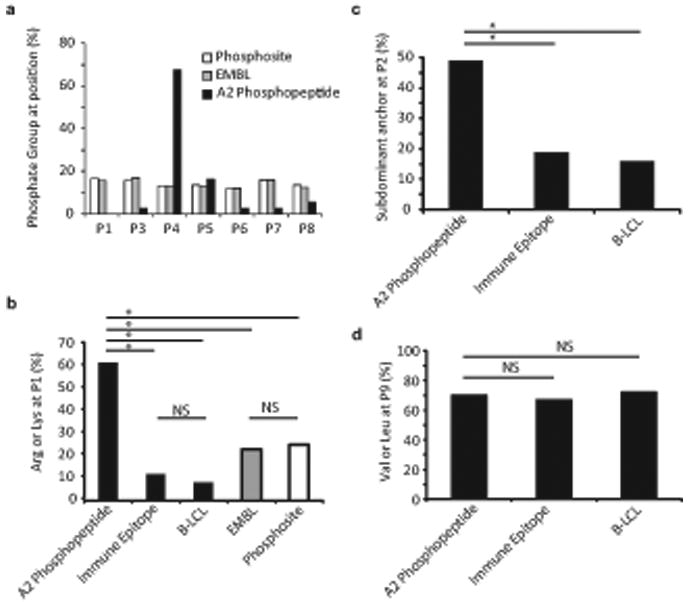
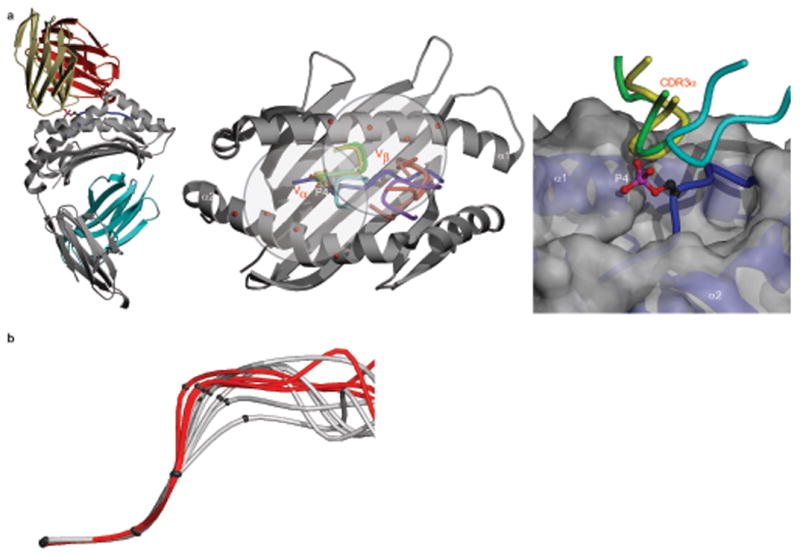
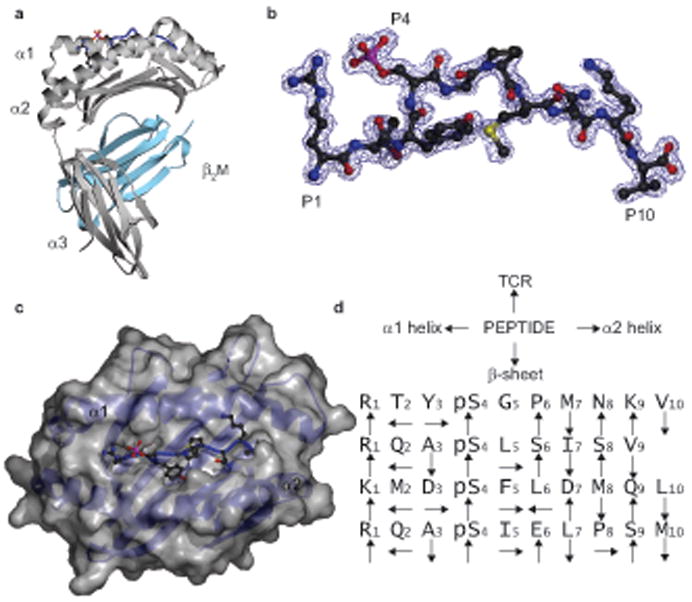
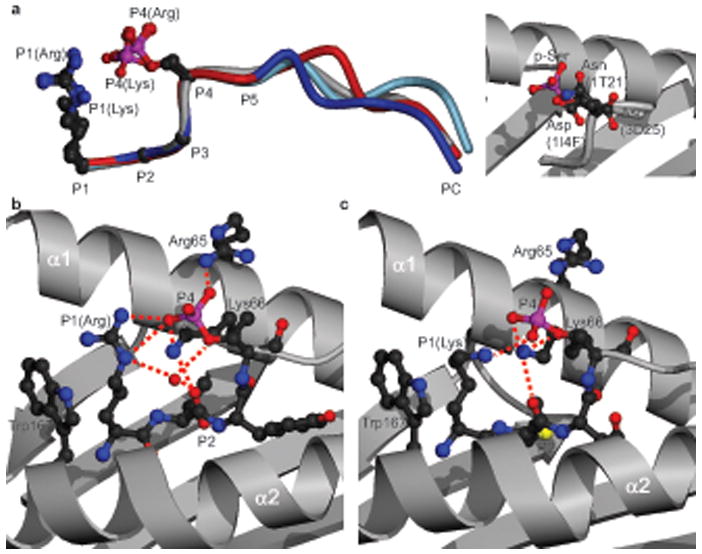
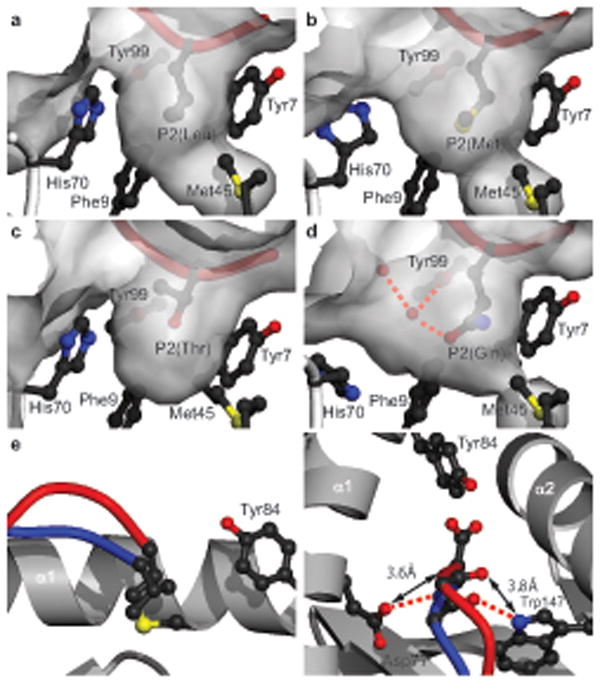
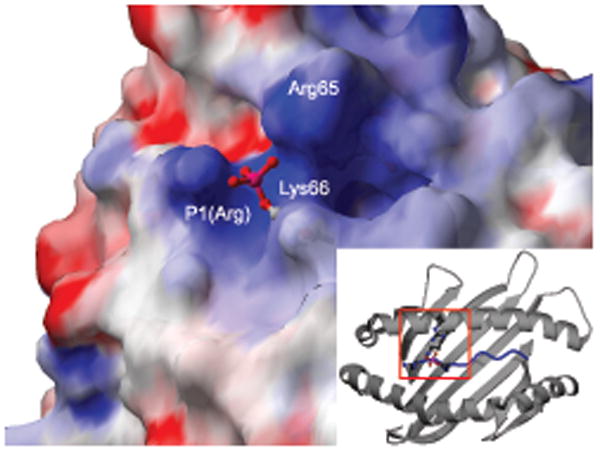
Protein phosphorylation generates a source of phosphopeptides that are presented by major histocompatibility complex class I molecules and recognized by T cells. As deregulated phosphorylation is a hallmark of malignant transformation, the differential display of phosphopeptides on cancer cells provides an immunological signature of 'transformed self'. Here we demonstrate that phosphorylation can considerably increase peptide binding affinity for HLA-A2. To understand this, we solved crystal structures of four phosphopeptide-HLA-A2 complexes. These identified a novel peptide-binding motif centered on a solvent-exposed phosphate anchor. Our findings indicate that deregulated phosphorylation can create neoantigens by promoting binding to major histocompatibility complex molecules or by affecting the antigenic identity of presented epitopes. These results highlight the potential of phosphopeptides as novel targets for cancer immunotherapy.
蛋白质磷酸化产生磷酸肽来源,这些磷酸肽由主要组织相容性复合体I类分子呈递并被T细胞识别。由于磷酸化失调是恶性转化的一个标志,癌细胞上磷酸肽的差异展示提供了“转化自身”的免疫特征。在此,我们证明磷酸化可显著增加肽与HLA - A2的结合亲和力。为了解其中机制,我们解析了四种磷酸肽 - HLA - A2复合物的晶体结构。这些结构确定了一个以溶剂暴露的磷酸锚为中心的新型肽结合基序。我们的研究结果表明,磷酸化失调可通过促进与主要组织相容性复合体分子的结合或影响所呈递表位的抗原特性来产生新抗原。这些结果突出了磷酸肽作为癌症免疫治疗新靶点的潜力。