Malik Nasser M, Gilroy Derek W, Kabouridis Panagiotis S
Biochemical Pharmacology, William Harvey Research Institute, Queen Mary's School of Medicine and Dentistry, London, United Kingdom.
FEBS Lett. 2009 Jan 5;583(1):61-9. doi: 10.1016/j.febslet.2008.11.042. Epub 2008 Dec 6.
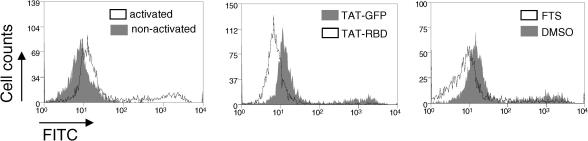
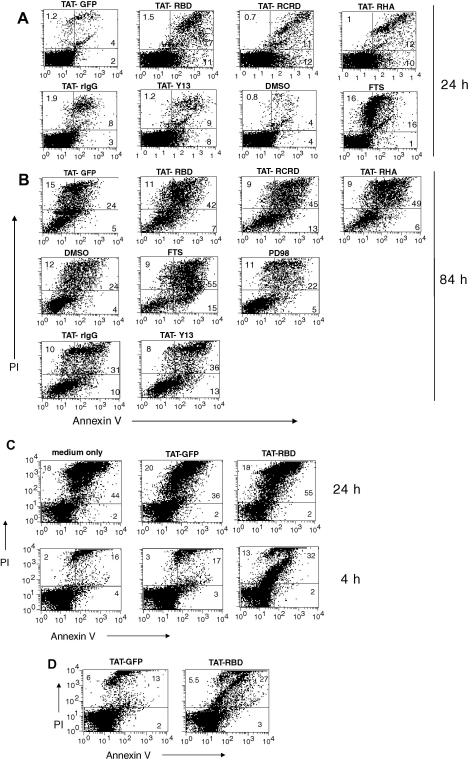
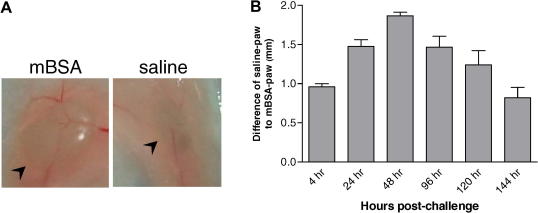
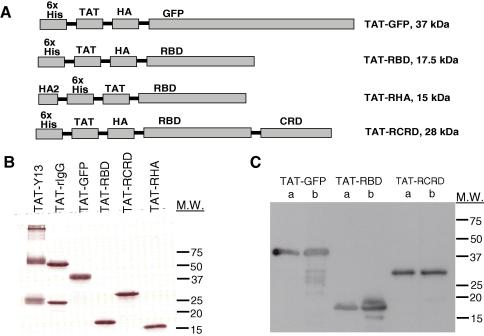
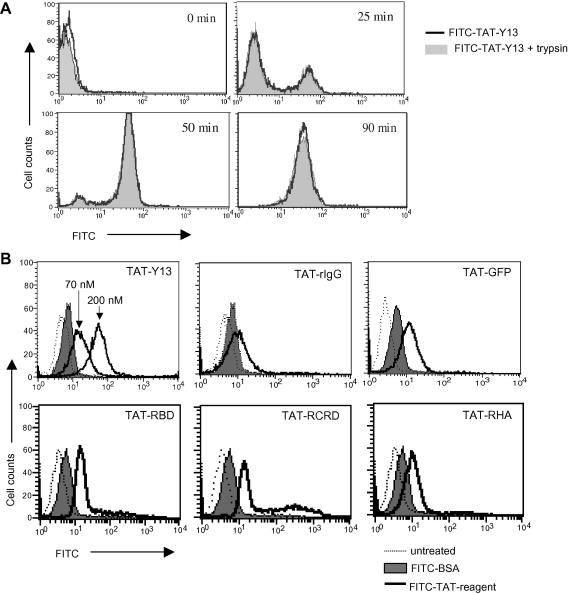
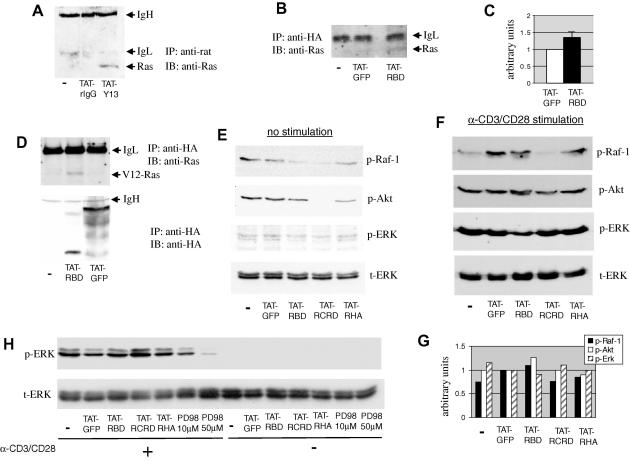
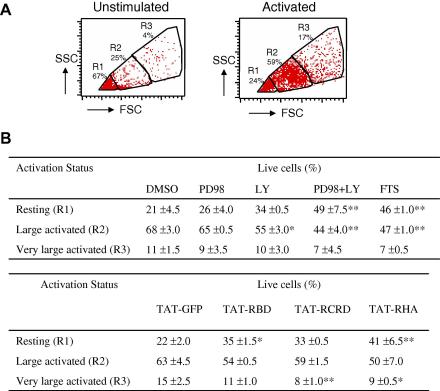
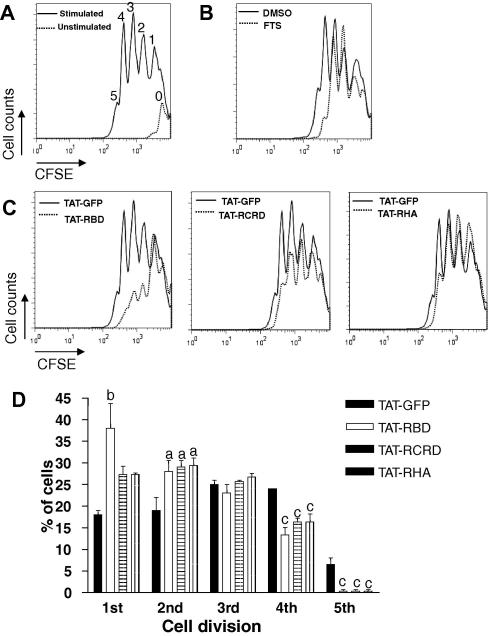
We describe the development of cell-penetrating inhibitors of Ras and study their ability to inhibit T cell activation. The inhibitors transduced T cells in a time and concentration-dependent manner and interacted with endogenous Ras. Anti-CD3/CD28-activated cells when treated with the inhibitors, exhibited a notable reduction in cell size, diminished proliferative capacity, and were more prone to apoptosis. Similarly, lymphocytes activated by antigen in vivo, exhibited accelerated apoptosis when treated with the inhibitors ex vivo. Our data reveal a pro-survival role for Ras in activated primary T cells and describe a new methodology for regulating its activity.
我们描述了Ras细胞穿透抑制剂的开发,并研究了它们抑制T细胞活化的能力。这些抑制剂以时间和浓度依赖性方式转导T细胞,并与内源性Ras相互作用。用抑制剂处理抗CD3/CD28激活的细胞时,细胞大小显著减小,增殖能力减弱,且更易发生凋亡。同样,体内被抗原激活的淋巴细胞,在体外经抑制剂处理后,凋亡加速。我们的数据揭示了Ras在活化的原代T细胞中的促生存作用,并描述了一种调节其活性的新方法。