Chockalingam Annapoorani, Brooks James C, Cameron Jody L, Blum Lisa K, Leifer Cynthia A
Department of Microbiology and Immunology, Cornell University, Ithaca, NY 14853, USA.
Immunol Cell Biol. 2009 Mar-Apr;87(3):209-17. doi: 10.1038/icb.2008.101. Epub 2008 Dec 16.
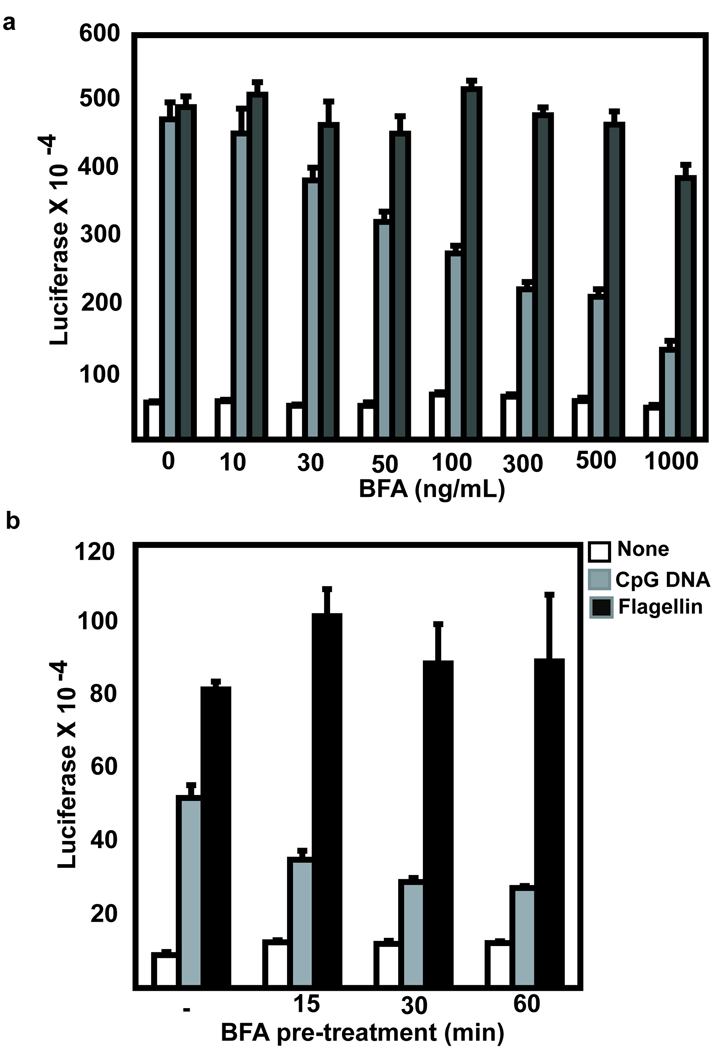
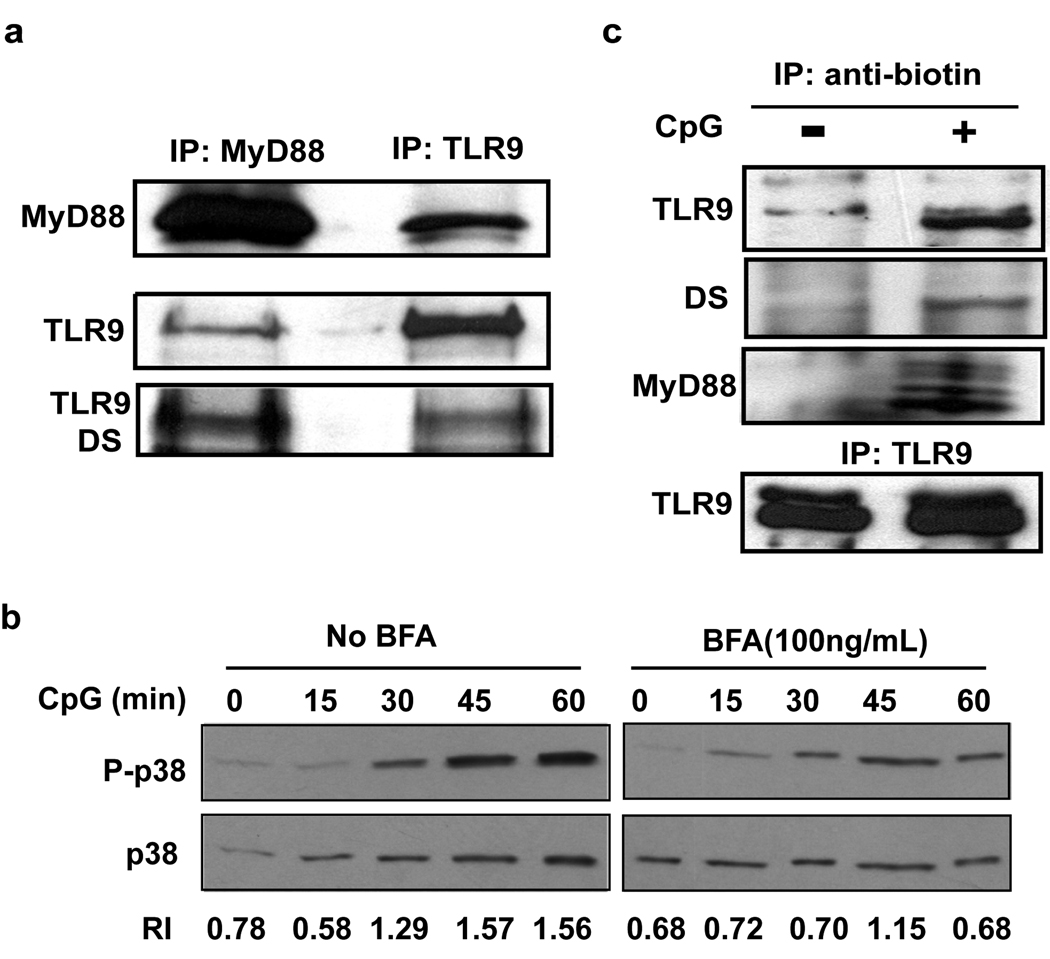
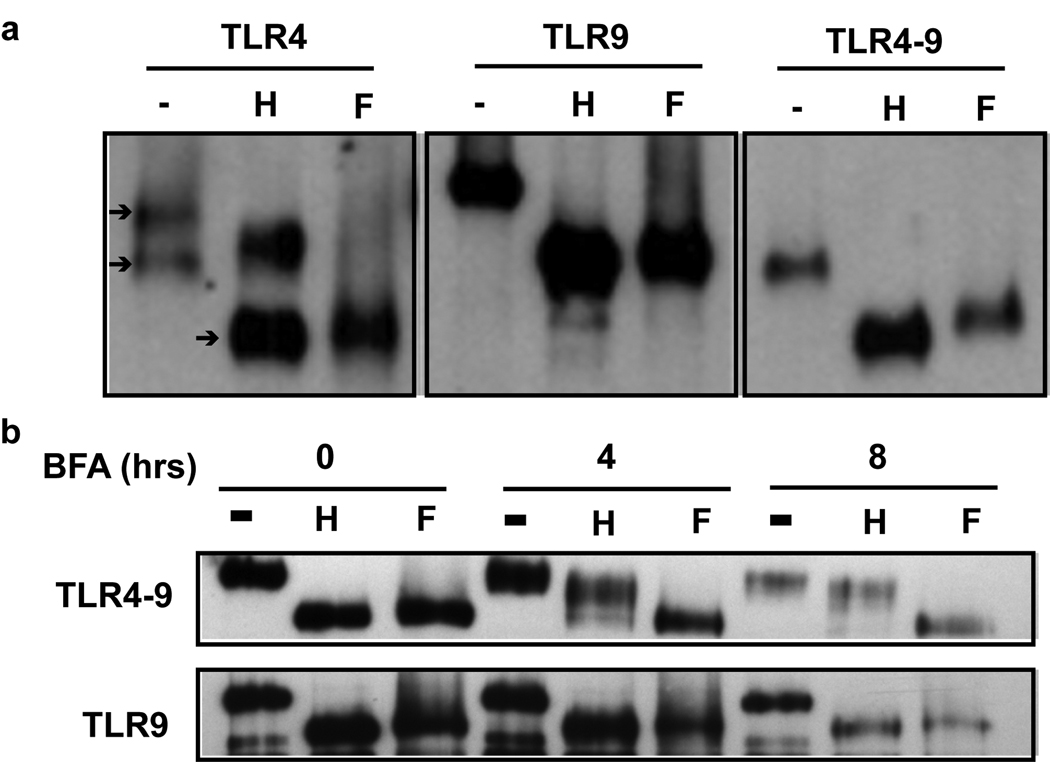
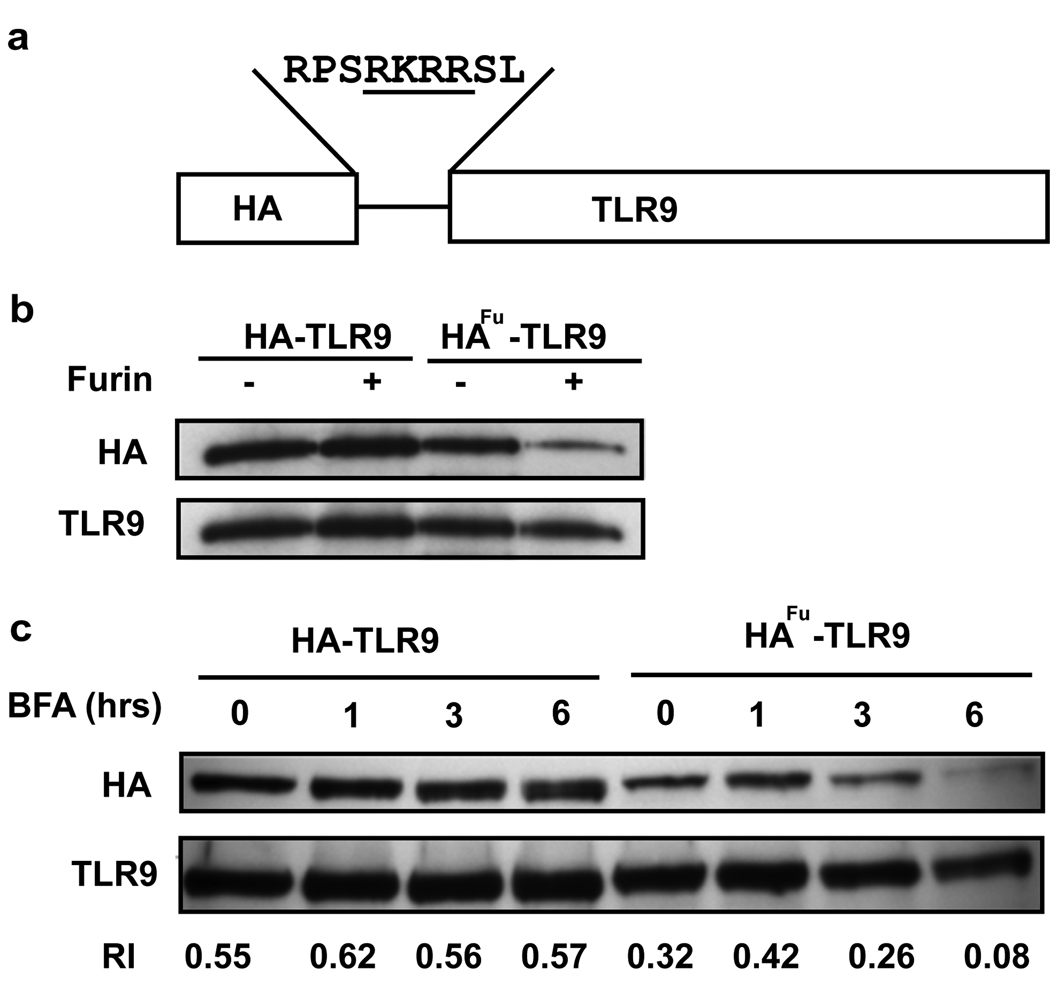
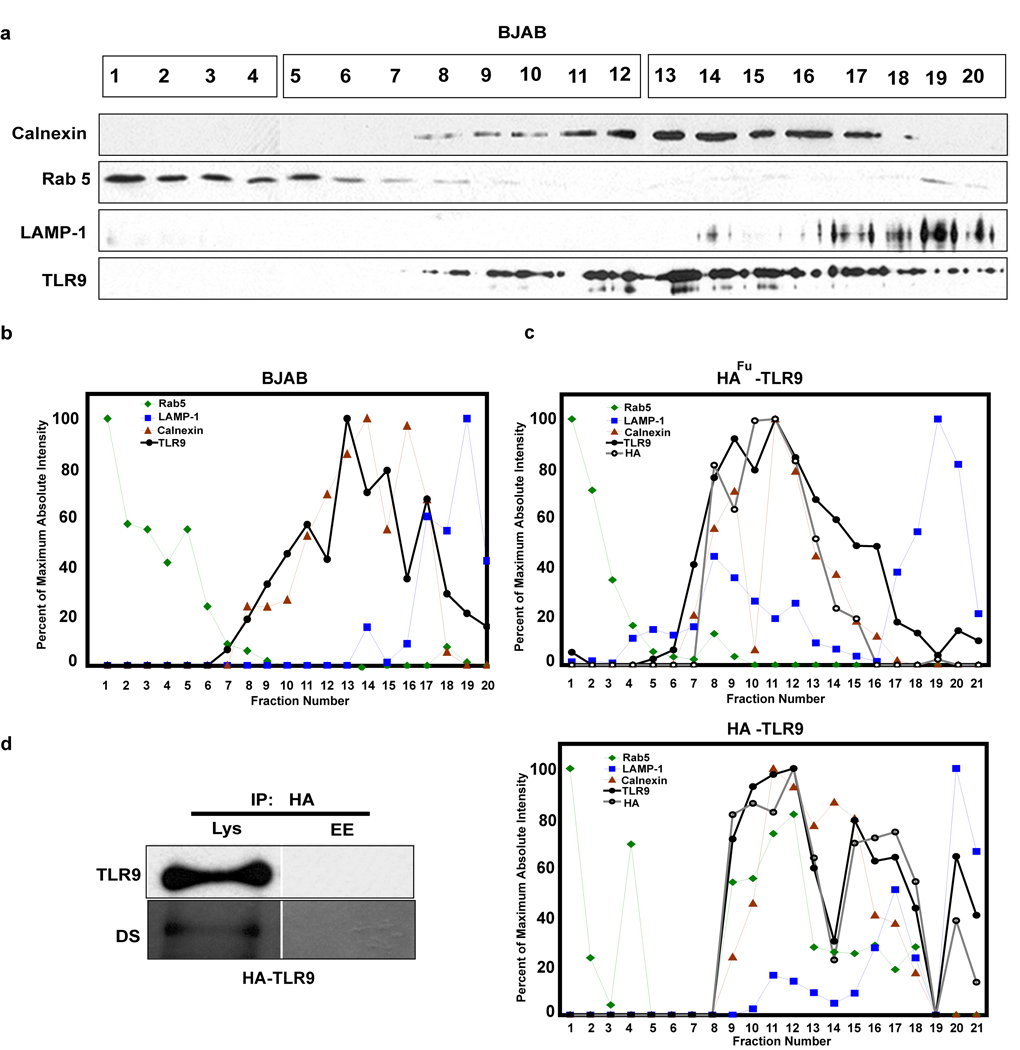
Toll-like receptor 9 (TLR9) promiscuously binds self- and microbial DNA, but only microbial DNA elicits an inflammatory response. How TLR9 discriminates between self- and foreign DNA is unclear, but inappropriate localization of TLR9 permits response to self-DNA, suggesting that TLR9 localization and trafficking are critical components. The molecular mechanisms controlling the movement of TLR9 may provide new insight into the recognition of DNA in normal and in pathological conditions such as autoimmune systemic lupus erythematosus. We have shown earlier that TLR9 is retained in the endoplasmic reticulum (ER) and it moves to endolysosomes to recognize CpG DNA. Other studies have suggested that TLR9 bypasses the Golgi complex to access endolysosomes. Here, we show that TLR9 translocates from ER to endolysosomes through the Golgi complex and that Golgi export is required for optimal TLR9 signaling. In all, 6-13% of TLR9 constitutively exits the ER, moves through the Golgi complex and resides in lysosomal-associated membrane protein-1-positive vesicles. TLR9 bound to CpG DNA had glycan modifications indicative of Golgi processing confirming that TLR9 travels through the Golgi complex to access CpG DNA in endolysosomes. Together, these data support a model where TLR9 uses traditional secretory pathways and does not bypass the Golgi complex.
Toll样受体9(TLR9)可随意结合自身DNA和微生物DNA,但只有微生物DNA能引发炎症反应。TLR9如何区分自身DNA和外来DNA尚不清楚,但TLR9的定位不当会导致对自身DNA产生反应,这表明TLR9的定位和运输是关键因素。控制TLR9移动的分子机制可能为正常及自身免疫性系统性红斑狼疮等病理条件下的DNA识别提供新的见解。我们之前已表明,TLR9保留在内质网(ER)中,并移动至内溶酶体以识别CpG DNA。其他研究表明,TLR9绕过高尔基体复合体进入内溶酶体。在此,我们表明TLR9通过高尔基体复合体从内质网转运至内溶酶体,且高尔基体输出对于最佳TLR9信号传导是必需的。总共有6% - 13%的TLR9持续从内质网中出来,穿过高尔基体复合体并存在于溶酶体相关膜蛋白-1阳性囊泡中。与CpG DNA结合的TLR9具有表明高尔基体加工的聚糖修饰,证实TLR9穿过高尔基体复合体以在内溶酶体中接触CpG DNA。总之,这些数据支持一种模型,即TLR9使用传统分泌途径,且不会绕过高尔基体复合体。