Slominski Andrzej, Zbytek Blazej, Slominski Radomir
Department of Pathology, Laboratory Medicine, University of Tennessee Health Science Center, Memphis, TN, USA.
Int J Cancer. 2009 Mar 15;124(6):1470-7. doi: 10.1002/ijc.24005.
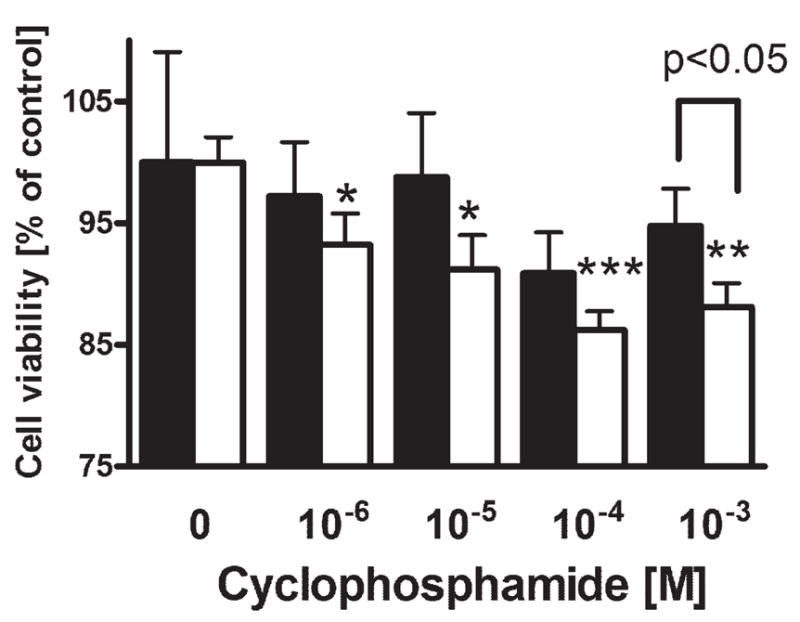
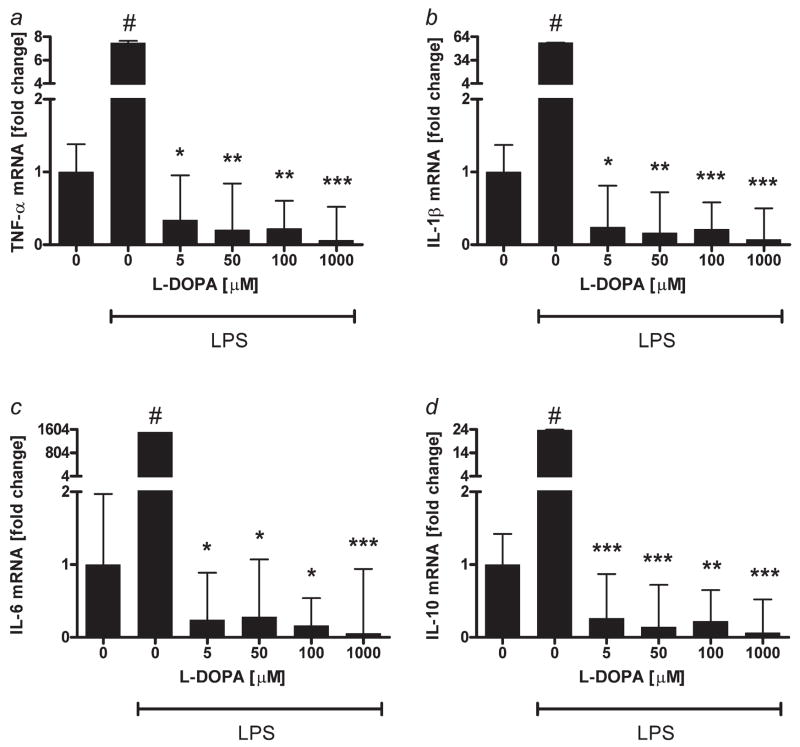
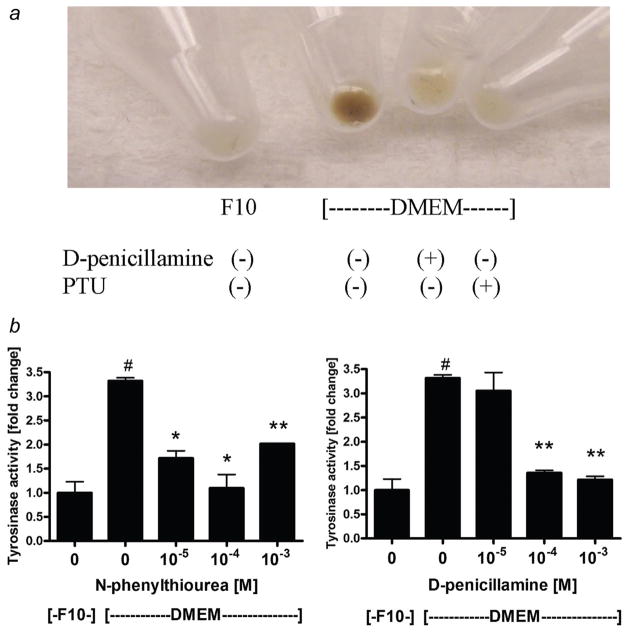
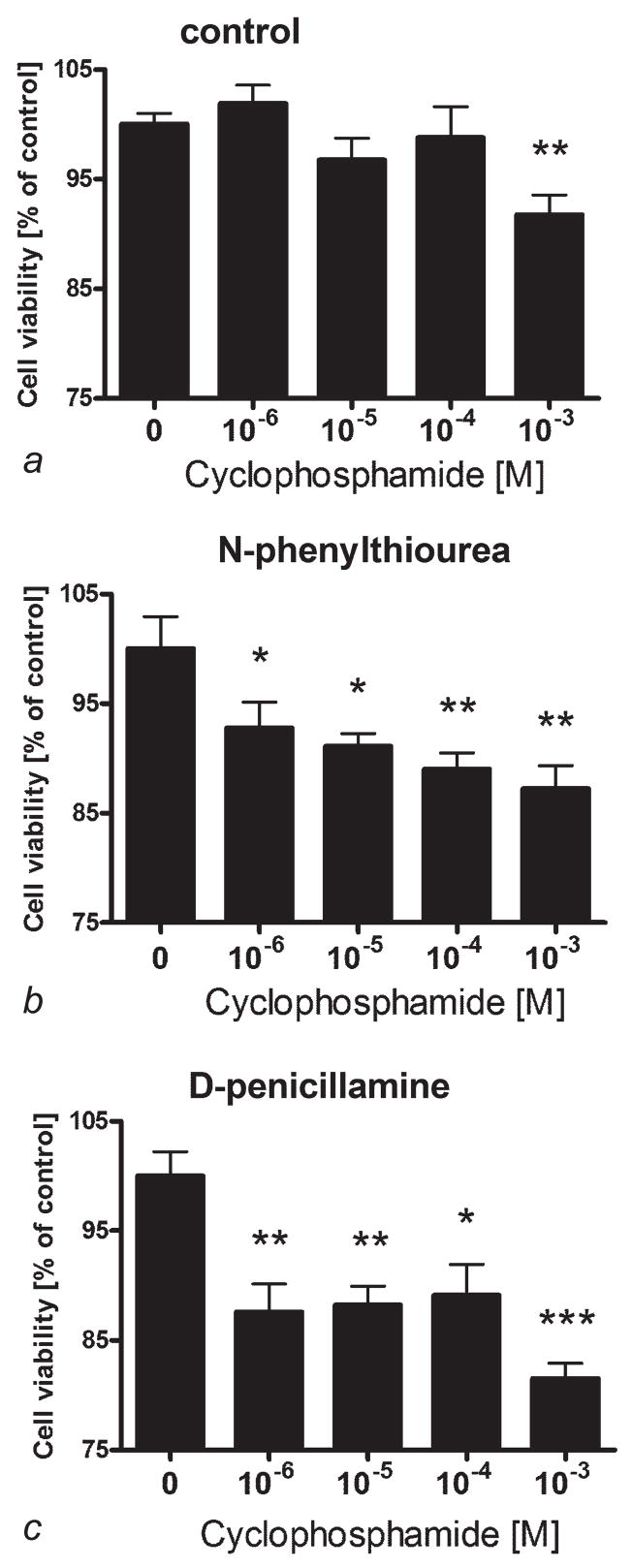
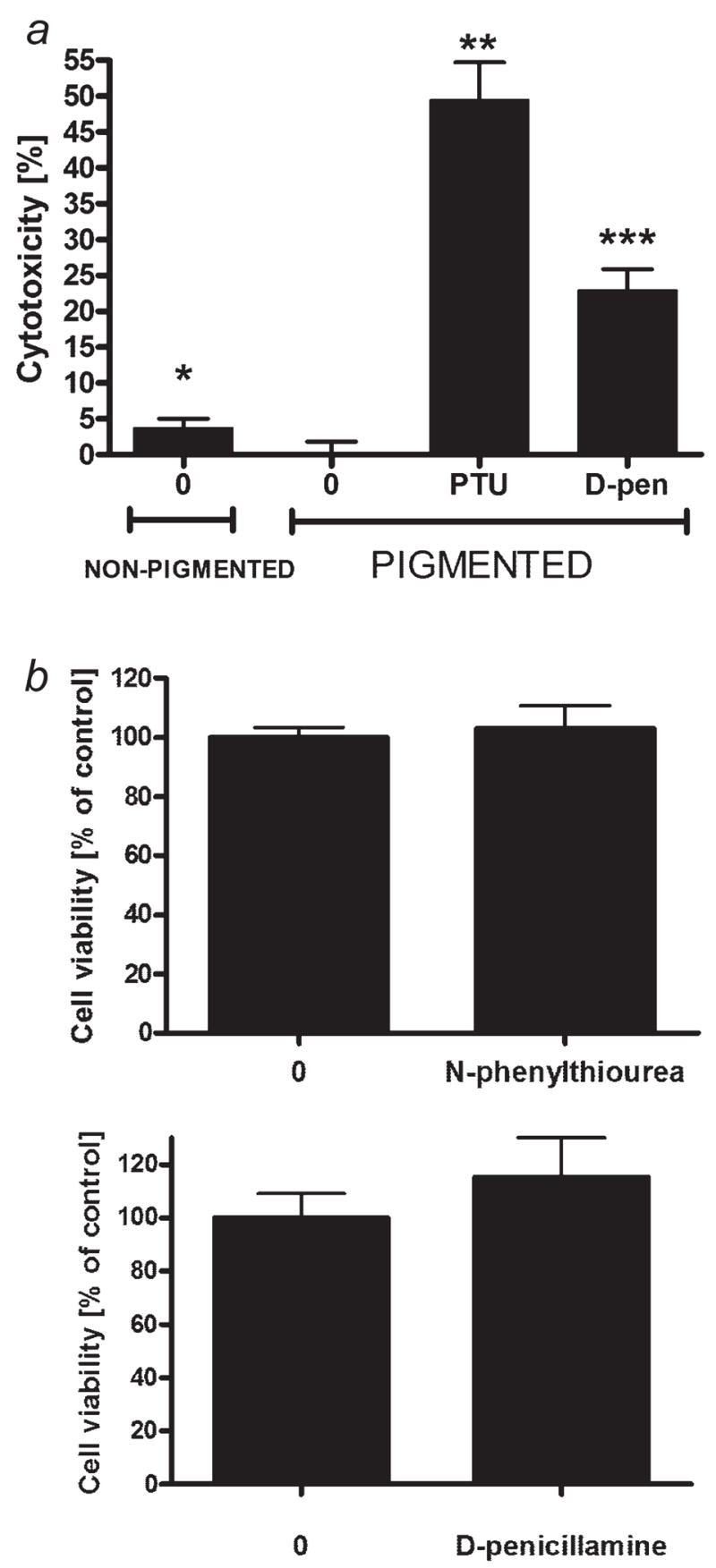
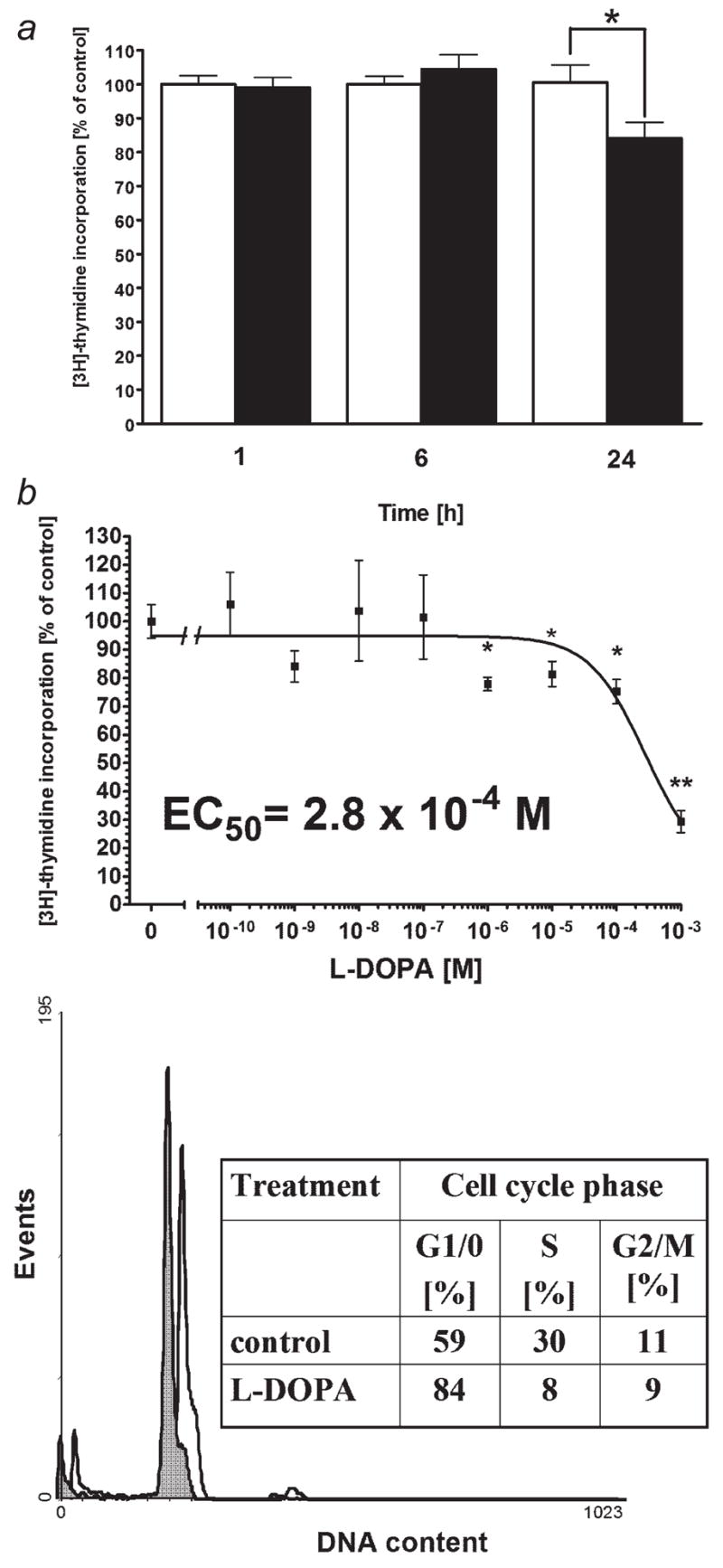
High mortality rate for metastatic melanoma is related to its resistant to the current methods of therapy. Melanogenesis is a metabolic pathway characteristic for normal and malignant melanocytes that can affect the behavior of melanoma cells or its surrounding environment. Human melanoma cells in which production of melanin pigment is dependent on tyrosine levels in medium were used for experiments. Peripheral blood mononuclear cells were derived from the buffy coats purchased from Lifeblood Biological Services. Cell pigmentation was evaluated macroscopically, and tyrosinase activity was measured spectrophotometrically. Cell proliferation and viability were measured using lactate dehydrogenase release MTT, [(3)H]-thymidine incorporation and DNA content analyses, and gene expression was measured by real time RT-PCR. Pigmented melanoma cells were significantly less sensitive to cyclophosphamide and to killing action of IL-2-activated peripheral blood lymphocytes. The inhibition of melanogenesis by either blocking tyrosinase catalytic site or chelating copper ions sensitized melanoma cells towards cytotoxic action of cyclophosphamide, and amplified immunotoxic activities of IL-2 activated lymphocytes. Exogenous L-DOPA inhibited lymphocyte proliferation producing the cell cycle arrest in G1/0 and dramatically inhibited the production of IL-1beta, TNF-alpha, IL-6 and IL-10. Thus, the active melanogenesis could not only impair the cytotoxic action of cyclophosphamid but also has potent immunosuppressive properties. This resistance to a chemotherapeutic agent or immunotoxic activity of lymphocytes could be reverted by the action of tyrosinase inhibitors. Thus, the inhibition of melanogenesis might represent a valid therapeutic target for the management of advanced melanotic melanomas.
转移性黑色素瘤的高死亡率与其对当前治疗方法的耐药性有关。黑色素生成是正常和恶性黑素细胞特有的代谢途径,可影响黑色素瘤细胞或其周围环境的行为。实验使用了黑色素生成依赖于培养基中酪氨酸水平的人黑色素瘤细胞。外周血单个核细胞取自从生命血液生物服务公司购买的血沉棕黄层。通过肉眼评估细胞色素沉着,并采用分光光度法测量酪氨酸酶活性。使用乳酸脱氢酶释放法、MTT法、[³H]胸腺嘧啶核苷掺入法和DNA含量分析法测量细胞增殖和活力,并通过实时逆转录聚合酶链反应测量基因表达。色素沉着的黑色素瘤细胞对环磷酰胺和IL-2激活的外周血淋巴细胞的杀伤作用明显不敏感。通过阻断酪氨酸酶催化位点或螯合铜离子来抑制黑色素生成,可使黑色素瘤细胞对环磷酰胺的细胞毒性作用敏感,并增强IL-2激活淋巴细胞的免疫毒性活性。外源性L-多巴抑制淋巴细胞增殖,使细胞周期停滞在G1/0期,并显著抑制IL-1β、TNF-α、IL-6和IL-10的产生。因此,活跃的黑色素生成不仅会削弱环磷酰胺的细胞毒性作用,还具有强大的免疫抑制特性。酪氨酸酶抑制剂的作用可逆转这种对化疗药物的耐药性或淋巴细胞的免疫毒性活性。因此,抑制黑色素生成可能是晚期黑色素性黑色素瘤治疗的一个有效靶点。