Papke Roger L, Smith-Maxwell Cathy
Department of Pharmacology and Therapeutics, University of Florida College of Medicine, Gainesville, Florida, USA.
Comb Chem High Throughput Screen. 2009 Jan;12(1):38-50. doi: 10.2174/138620709787047975.
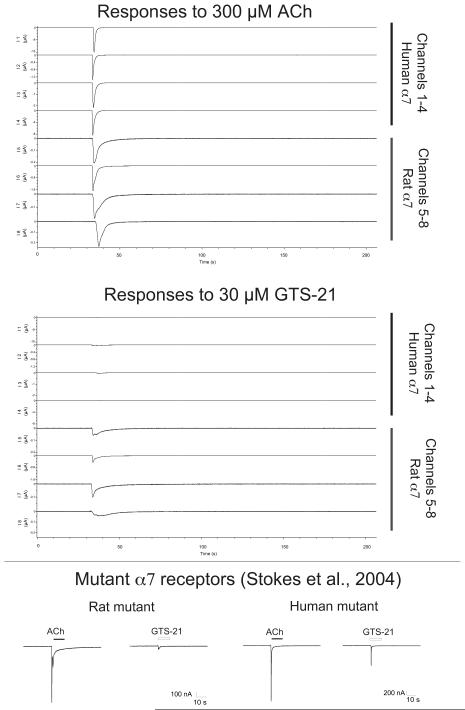
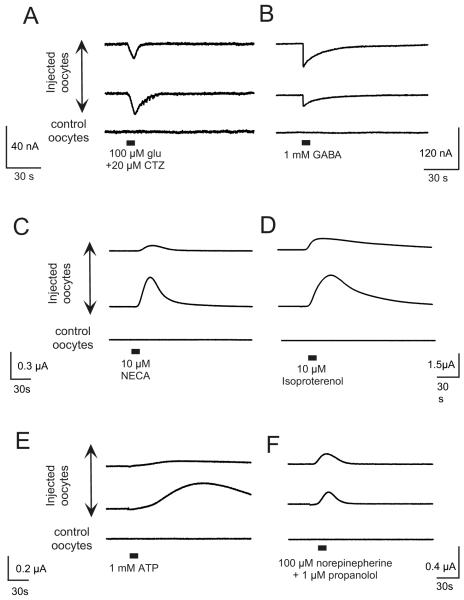
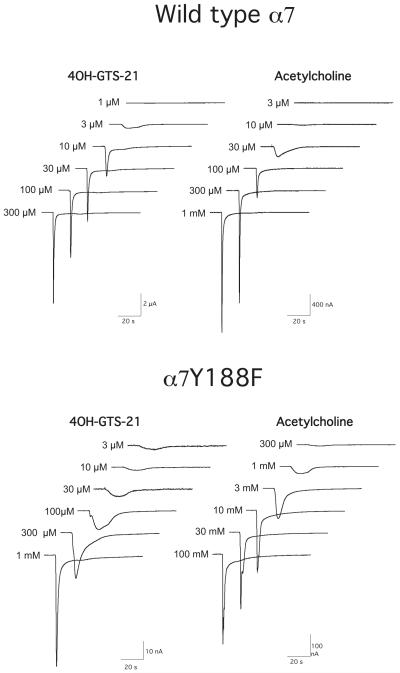
Voltage-clamp techniques are typically used to study the plasma membrane proteins, such as ion channels and transporters that control bioelectrical signals. Many of these proteins have been cloned and can now be studied as potential targets for drug development. The two approaches most commonly used for heterologous expression of cloned ion channels and transporters involve either transfection of the genes into small cells grown in tissue culture or the injection of the genetic material into larger cells. The standard large cells used for the expression of cloned cDNA or synthetic RNA are the egg progenitor cells (oocytes) of the African frog, Xenopus laevis. Until recently, cellular electrophysiology was performed manually by a single operator, one cell at a time. However, methods of high throughput electrophysiology have been developed which are automated and permit data acquisition and analysis from multiple cells in parallel. These methods are breaking a bottleneck in drug discovery, useful in some cases for primary screening as well as for thorough characterization of new drugs. Increasing throughput of high-quality functional data greatly augments the efficiency of academic research and pharmaceutical drug development. Some examples of studies that benefit most from high throughput electrophysiology include pharmaceutical screening of targeted compound libraries, secondary screening of identified compounds for subtype selectivity, screening mutants of ligand-gated channels for changes in receptor function, scanning mutagenesis of protein segments, and mutant-cycle analysis. We describe here the main features and potential applications of OpusXpress, an efficient commercially available system for automated recording from Xenopus oocytes. We show some types of data that have been gathered by this system and review realized and potential applications.
电压钳技术通常用于研究质膜蛋白,如控制生物电信号的离子通道和转运体。这些蛋白中的许多已被克隆,现在可作为药物开发的潜在靶点进行研究。克隆离子通道和转运体的异源表达最常用的两种方法,一是将基因转染到组织培养中生长的小细胞中,二是将遗传物质注射到较大的细胞中。用于克隆cDNA或合成RNA表达的标准大细胞是非洲爪蟾(Xenopus laevis)的卵母细胞。直到最近,细胞电生理研究还是由单个操作人员手动进行,一次一个细胞。然而,现已开发出高通量电生理方法,这些方法是自动化的,能够并行地从多个细胞采集和分析数据。这些方法正在突破药物研发中的一个瓶颈,在某些情况下可用于新药的初步筛选以及全面表征。提高高质量功能数据的通量可极大地提高学术研究和药物研发的效率。最受益于高通量电生理的一些研究实例包括对靶向化合物文库进行药物筛选、对已鉴定化合物进行亚型选择性的二次筛选、筛选配体门控通道的突变体以检测受体功能的变化、蛋白质片段的扫描诱变以及突变循环分析。我们在此描述OpusXpress的主要特点和潜在应用,它是一种用于从非洲爪蟾卵母细胞进行自动记录的高效商用系统。我们展示了该系统收集的一些数据类型,并回顾了已实现的和潜在的应用。