Wilcock D M, Vitek M P, Colton C A
Duke University Medical Center, Division of Neurology, Bryan Research Building, Box 2900, Research Drive, Durham, NC 27710, USA.
Neuroscience. 2009 Mar 31;159(3):1055-69. doi: 10.1016/j.neuroscience.2009.01.023. Epub 2009 Jan 19.
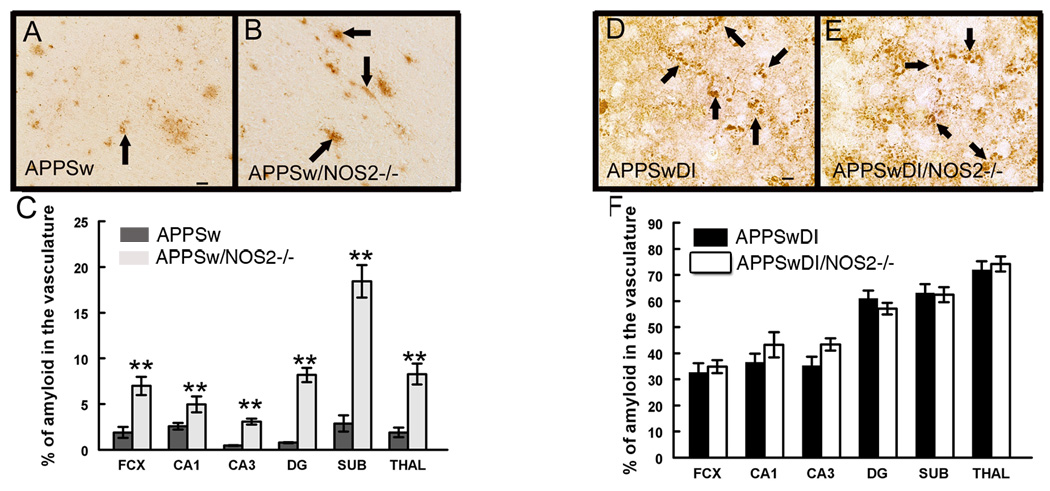
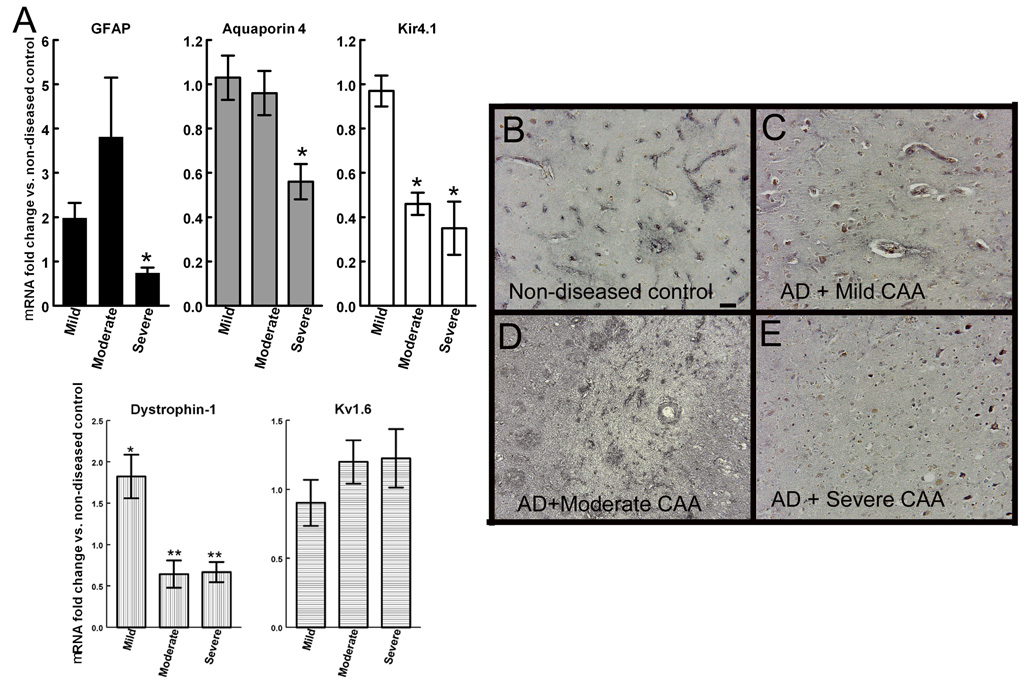
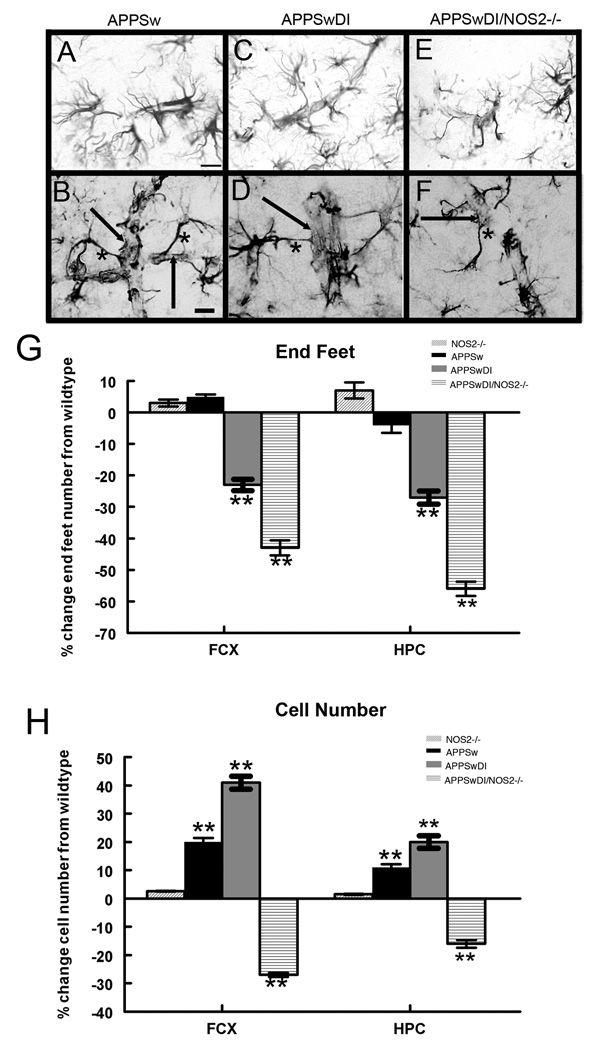
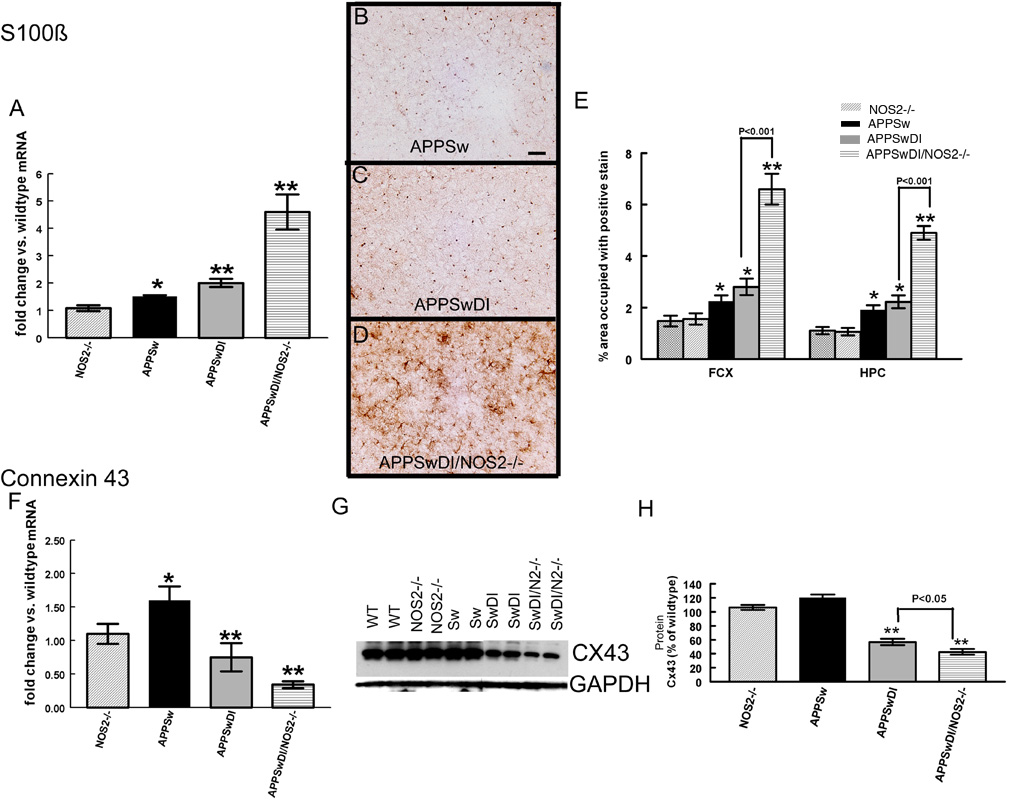
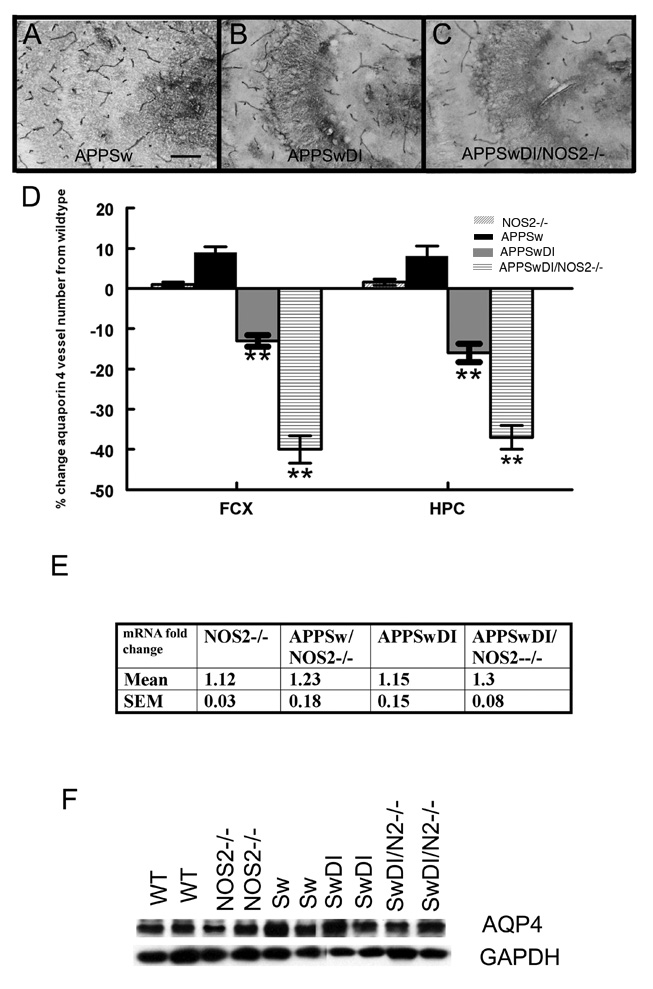
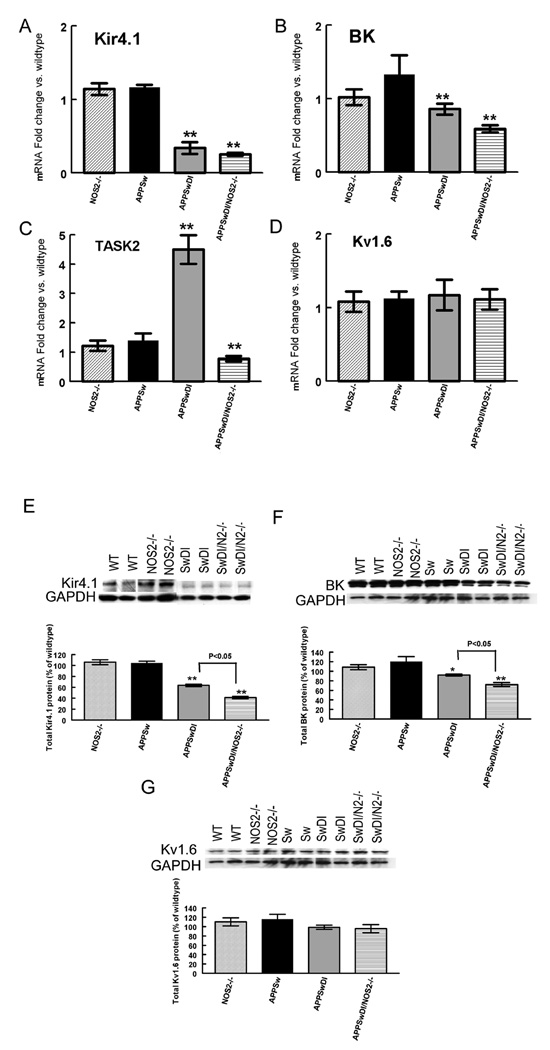
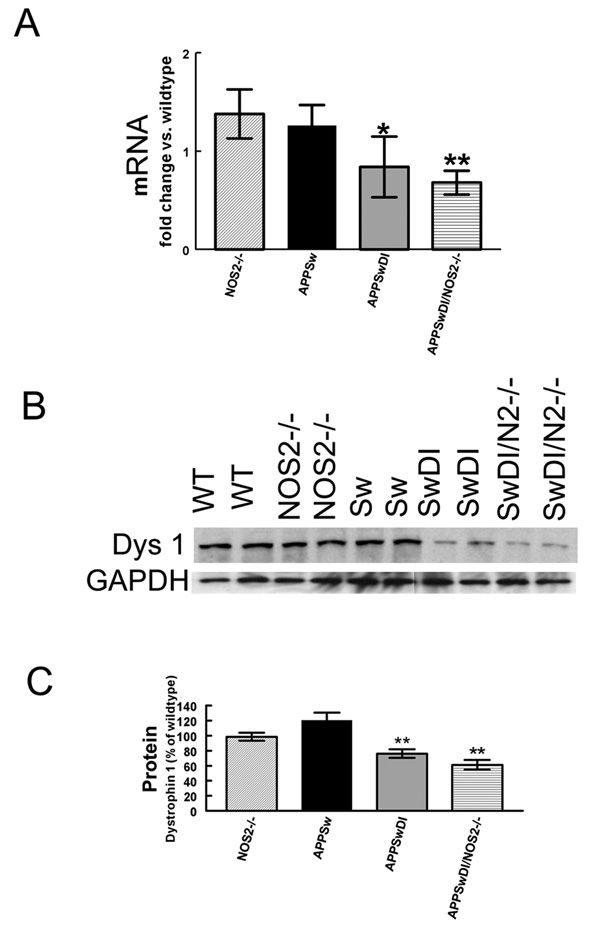
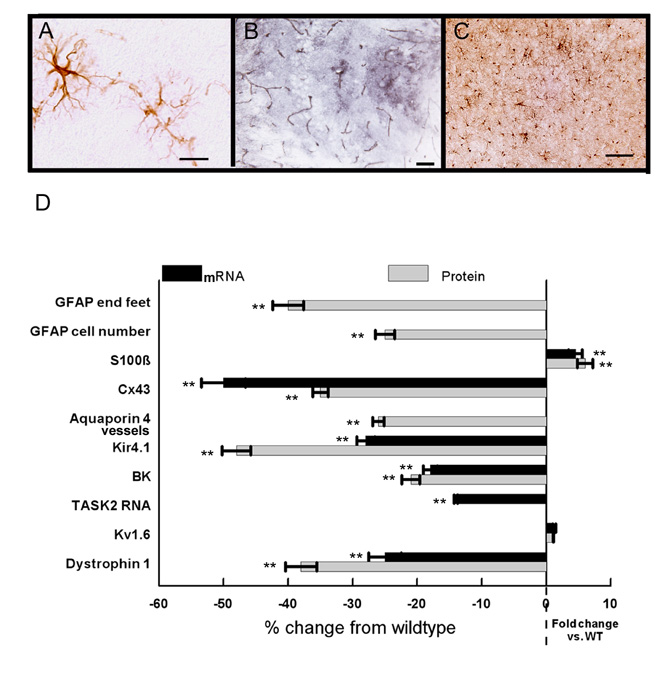
The neurovascular unit (NVU) comprises cerebral blood vessels and surrounding astrocytes, neurons, perivascular microglia and pericytes. Astrocytes associated with the NVU are responsible for maintaining cerebral blood flow and ionic and osmotic balances in the brain. A significant proportion of individuals with Alzheimer's disease (AD) have vascular amyloid deposits (cerebral amyloid angiopathy, CAA) that contribute to the heterogeneous nature of the disease. To determine whether NVU astrocytes are affected by the accumulation of amyloid at cerebral blood vessels we examined astrocytic markers in four transgenic mouse models of amyloid deposition. These mouse models represent mild CAA, moderate CAA with disease progression to tau pathology and neuron loss, severe CAA and severe CAA with disease progression to tau pathology and neuron loss. We found that CAA and disease progression both resulted in distinct NVU astrocytic changes. CAA causes a loss of apparent glial fibrillary acidic protein (GFAP)-positive astrocytic end-feet and loss of water channels (aquaporin 4) localized to astrocytic end feet. The potassium channels Kir4.1, an inward rectifying potassium channel, and BK, a calcium-sensitive large-conductance potassium channel, were also lost. The anchoring protein, dystrophin 1, is common to these channels and was reduced in association with CAA. Disease progression was associated with a phenotypic switch in astrocytes indicated by a loss of GFAP-positive cells and a gain of S100 beta-positive cells. Aquaporin 4, Kir4.1 and dystrophin 1 were also reduced in autopsied brain tissue from individuals with AD that also display moderate and severe CAA. Together, these data suggest that damage to the neurovascular unit may be a factor in the pathogenesis of Alzheimer's disease.
神经血管单元(NVU)由脑血管以及周围的星形胶质细胞、神经元、血管周围小胶质细胞和周细胞组成。与NVU相关的星形胶质细胞负责维持脑血流量以及大脑中的离子和渗透平衡。相当一部分阿尔茨海默病(AD)患者存在血管淀粉样沉积(脑淀粉样血管病,CAA),这导致了该疾病的异质性。为了确定NVU星形胶质细胞是否受到脑血管淀粉样蛋白积累的影响,我们在四种淀粉样蛋白沉积的转基因小鼠模型中检测了星形胶质细胞标志物。这些小鼠模型分别代表轻度CAA、伴有疾病进展至tau病理和神经元丢失的中度CAA、重度CAA以及伴有疾病进展至tau病理和神经元丢失的重度CAA。我们发现CAA和疾病进展均导致了NVU星形胶质细胞的明显变化。CAA导致明显的胶质纤维酸性蛋白(GFAP)阳性星形胶质细胞终足丢失以及定位于星形胶质细胞终足的水通道(水通道蛋白4)丢失。内向整流钾通道Kir4.1和钙敏感大电导钾通道BK也丢失了。这些通道共有的锚定蛋白肌营养不良蛋白1与CAA相关而减少。疾病进展与星形胶质细胞的表型转换有关,表现为GFAP阳性细胞丢失和S100β阳性细胞增加。在同样表现为中度和重度CAA的AD患者的尸检脑组织中,水通道蛋白4、Kir4.1和肌营养不良蛋白1也减少了。总之,这些数据表明神经血管单元的损伤可能是阿尔茨海默病发病机制中的一个因素。