Gasperini Robert, Choi-Lundberg Derek, Thompson Michael J W, Mitchell Camilla B, Foa Lisa
School of Medicine, University of Tasmania, Hobart, 7001, Tasmania, Australia.
Neural Dev. 2009 Aug 3;4:29. doi: 10.1186/1749-8104-4-29.
Homer proteins are post-synaptic density proteins with known functions in receptor trafficking and calcium homeostasis. While they are key mediators of synaptic plasticity, they are also known to function in axon guidance, albeit by mechanisms that are yet to be elucidated. Homer proteins couple extracellular receptors - such as metabotropic glutamate receptors and the transient receptor potential canonical family of cation channels - to intracellular receptors such as inositol triphosphate and ryanodine receptors on intracellular calcium stores and, therefore, are well placed to regulate calcium dynamics within the neural growth cone. Here we used growth cones from dorsal root ganglia, a well established model in the field of axon guidance, and a growth cone turning assay to examine Homer1 function in axon guidance.
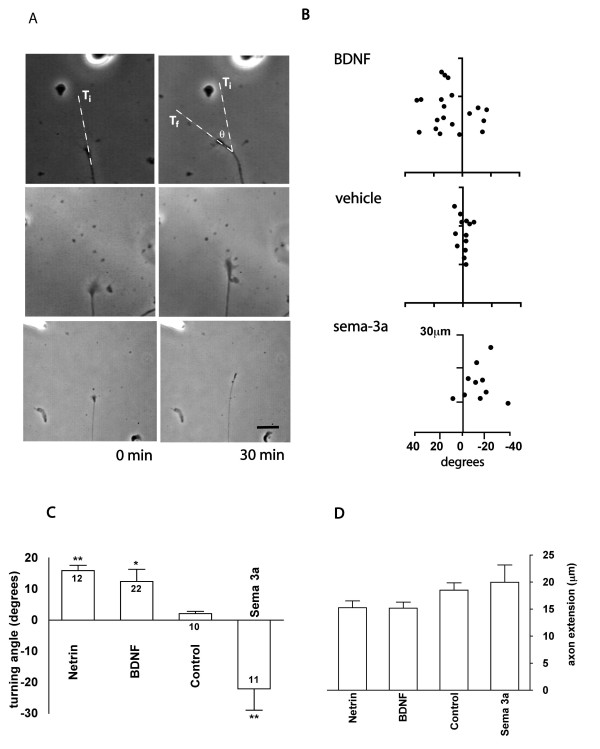
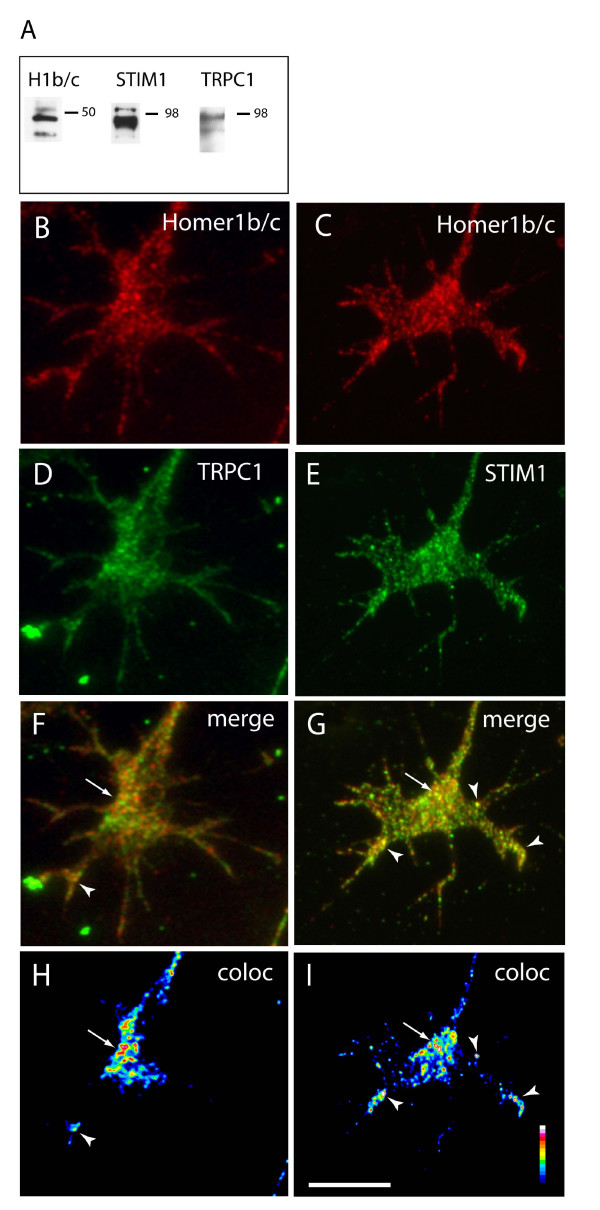
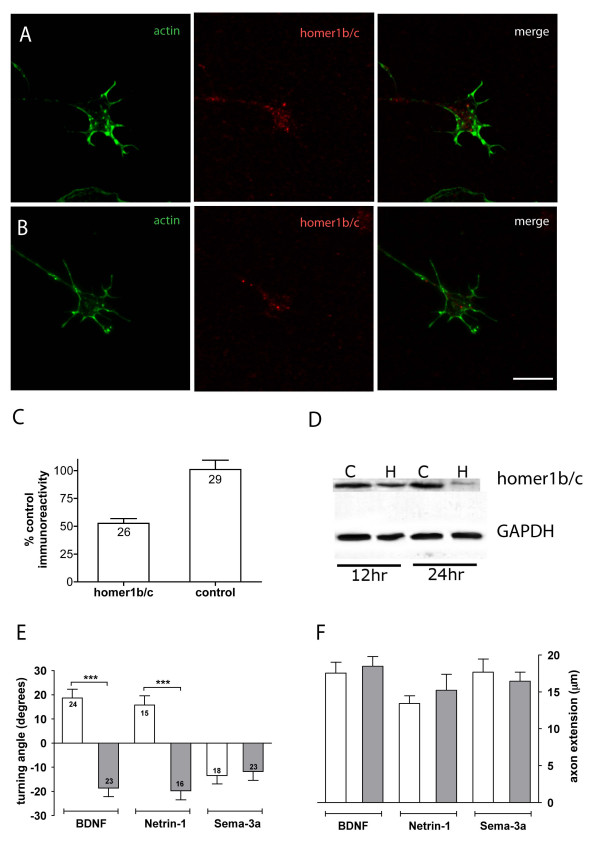
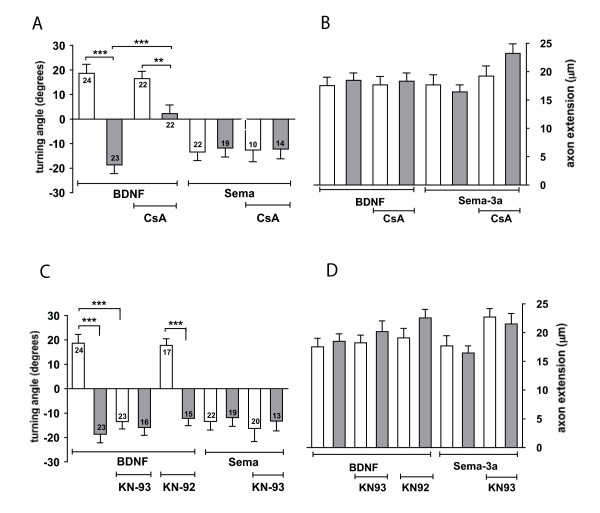
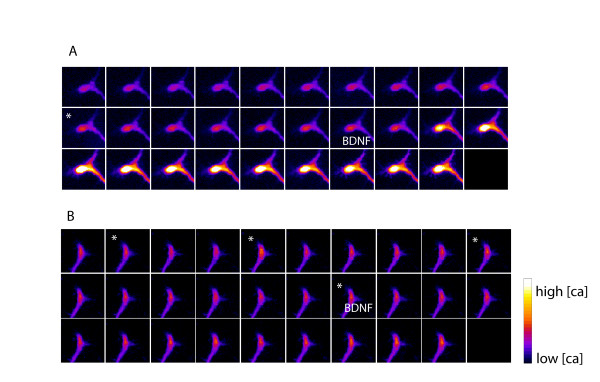
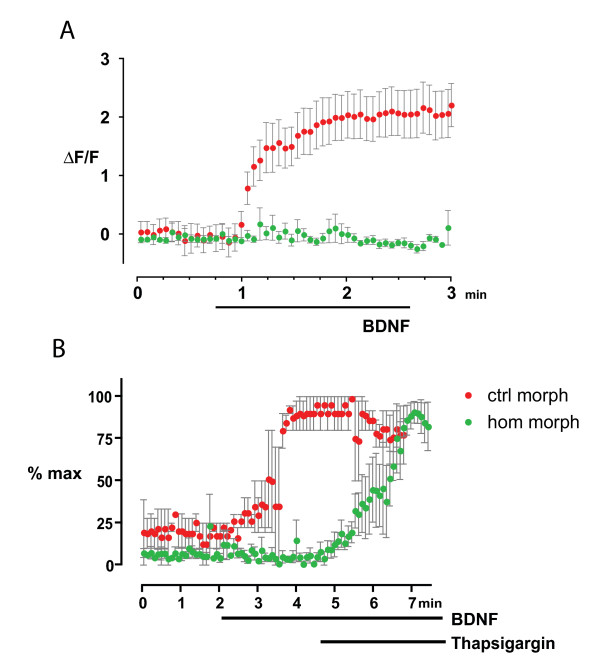
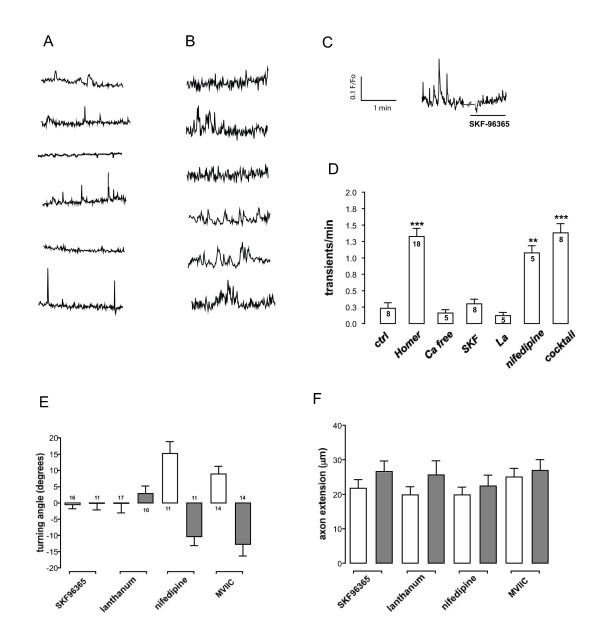
Homer1 knockdown reversed growth cone turning from attraction to repulsion in response to the calcium-dependent guidance cues brain derived neurotrophic factor and netrin-1. Conversely, Homer1 knockdown had no effect on repulsion to the calcium-independent guidance cue Semaphorin-3A. This reversal of attractive turning suggested a requirement for Homer1 in a molecular switch. Pharmacological experiments confirmed that the operational state of a calcium-calmodulin dependent protein kinase II/calcineurin phosphatase molecular switch was dependent on Homer1 expression. Calcium imaging of motile growth cones revealed that Homer1 is required for guidance-cue-induced rise of cytosolic calcium and the attenuation of spontaneous cytosolic calcium transients. Homer1 knockdown-induced calcium transients and turning were inhibited by antagonists of store-operated channels. In addition, immunocytochemistry revealed the close association of Homer1 with the store-operated proteins TRPC1 and STIM1 within dorsal root ganglia growth cones.
These experiments provide evidence that Homer1 is an essential component of the calcium signalling repertoire within motile growth cones, regulating guidance-cue-induced calcium release and maintaining basal cytosolic calcium.
Homer蛋白是突触后致密蛋白,在受体运输和钙稳态中具有已知功能。虽然它们是突触可塑性的关键介质,但也已知其在轴突导向中发挥作用,尽管其机制尚待阐明。Homer蛋白将细胞外受体(如代谢型谷氨酸受体和瞬时受体电位阳离子通道经典家族)与细胞内受体(如细胞内钙库上的肌醇三磷酸受体和雷诺丁受体)偶联,因此,它们非常适合调节神经生长锥内的钙动力学。在这里,我们使用背根神经节的生长锥(轴突导向领域中一个成熟的模型)和生长锥转向试验来研究Homer1在轴突导向中的功能。
Homer1基因敲低逆转了生长锥对钙依赖性导向信号脑源性神经营养因子和netrin-1的吸引转向,使其变为排斥转向。相反,Homer1基因敲低对钙非依赖性导向信号Semaphorin-3A的排斥没有影响。这种吸引转向的逆转表明分子开关中需要Homer1。药理学实验证实,钙调蛋白依赖性蛋白激酶II/钙调神经磷酸酶分子开关的运行状态取决于Homer1的表达。动态生长锥的钙成像显示,Homer1是导向信号诱导的胞质钙升高和自发胞质钙瞬变衰减所必需的。Homer1基因敲低诱导的钙瞬变和转向被储存操纵通道拮抗剂所抑制。此外,免疫细胞化学显示Homer1与背根神经节生长锥内的储存操纵蛋白TRPC1和STIM1密切相关。
这些实验提供了证据,表明Homer1是动态生长锥内钙信号系统的重要组成部分,调节导向信号诱导的钙释放并维持基础胞质钙水平。