Ushida Takahiro, Iwatsu Osamu, Shimo Kazuhiro, Tetsunaga Tomoko, Ikeuchi Masahiko, Ikemoto Tatsunori, Arai Young-Chang P, Suetomi Katsutoshi, Nishihara Makoto
Multidisciplinary Pain Center, Aichi Medical University, 21 Karimata, Yazako, Nagakute, Aichi 480-1195, Japan.
J Neuroinflammation. 2009 Aug 28;6:25. doi: 10.1186/1742-2094-6-25.
Although magnesium ions (Mg2+) are known to display many similar features to other 2+ charged cations, they seem to have quite an important and unique role in biological settings, such as NMDA blocking effect. However, the role of Mg2+ in the neural transmission system has not been studied as sufficiently as calcium ions (Ca2+). To clarify the sensory effects of Mg2+ in peripheral nervous systems, sensory changes after intradermal injection of Mg2+ were studied in humans.
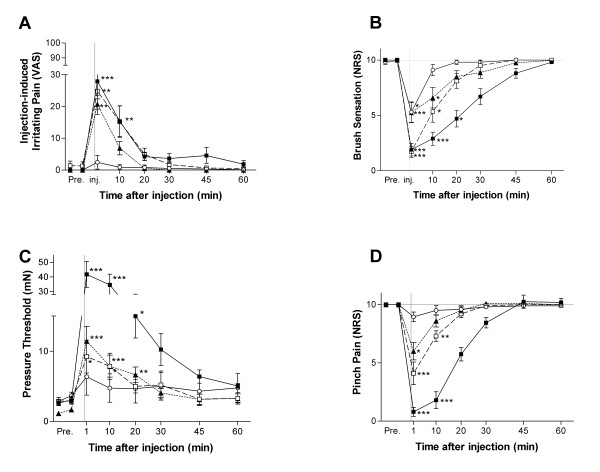
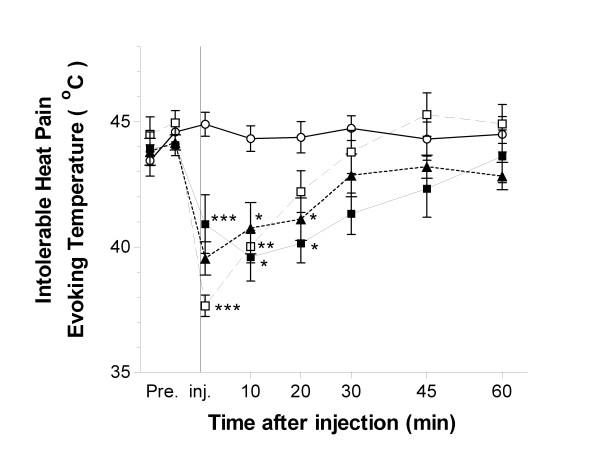
Magnesium sulphate, magnesium chloride and saline were injected into the skin of the anterior region of forearms in healthy volunteers and injection-induced irritating pain ("irritating pain", for short), tactile sensation, tactile pressure thresholds, pinch-pain changes and intolerable heat pain thresholds of the lesion were monitored.
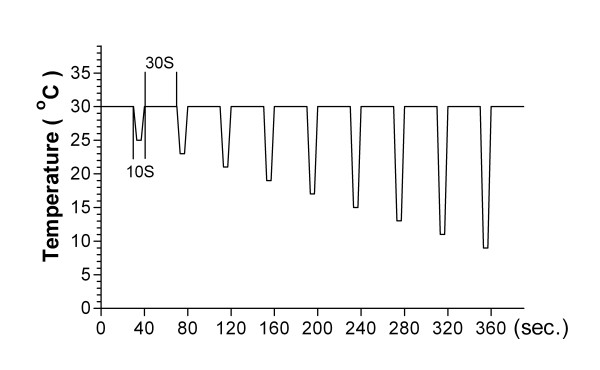
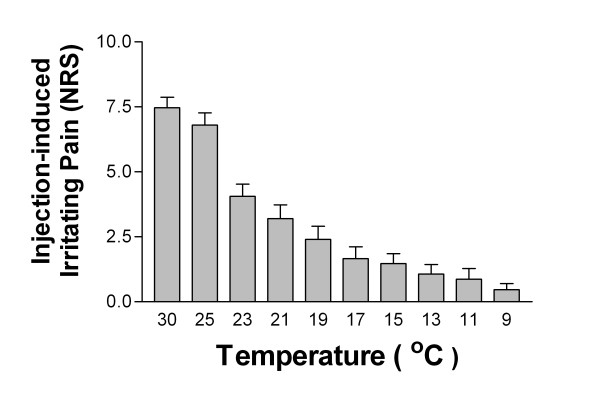
Flare formation was observed immediately after magnesium sulphate or magnesium chloride injection. We found that intradermal injections of magnesium sulphate and magnesium chloride transiently caused irritating pain, hypesthesia to noxious and innocuous mechanical stimulations, whereas secondary hyperalgesia due to mechanical stimuli was not observed. In contrast to mechanical stimuli, intolerable heat pain-evoking temperature was significantly decreased at the injection site. In addition to these results, spontaneous pain was immediately attenuated by local cooling.
Membrane-stabilizing effect and peripheral NMDA-blocking effect possibly produced magnesium-induced mechanical hypesthesia, and extracellular cation-induced sensitization of TRPV1 channels was thought to be the primary mechanism of magnesium-induced heat hyperalgesia.